
For fashion-conscious shoppers, the allure of a luxury designer handbag is undeniable. The craftsmanship, brand prestige, and timeless design make pieces from labels like Chanel, Gucci, or Prada highly coveted. But with price tags often exceeding thousands of dollars, many turn to more affordable alternatives—commonly known as \"dupes.\" These lookalikes promise similar aesthetics at a fraction of the cost. But when comparing designer bags versus dupes, are the savings truly worth it? The answer isn’t just about price—it’s about quality, ethics, durability, and personal values.
The Allure of Designer Bags
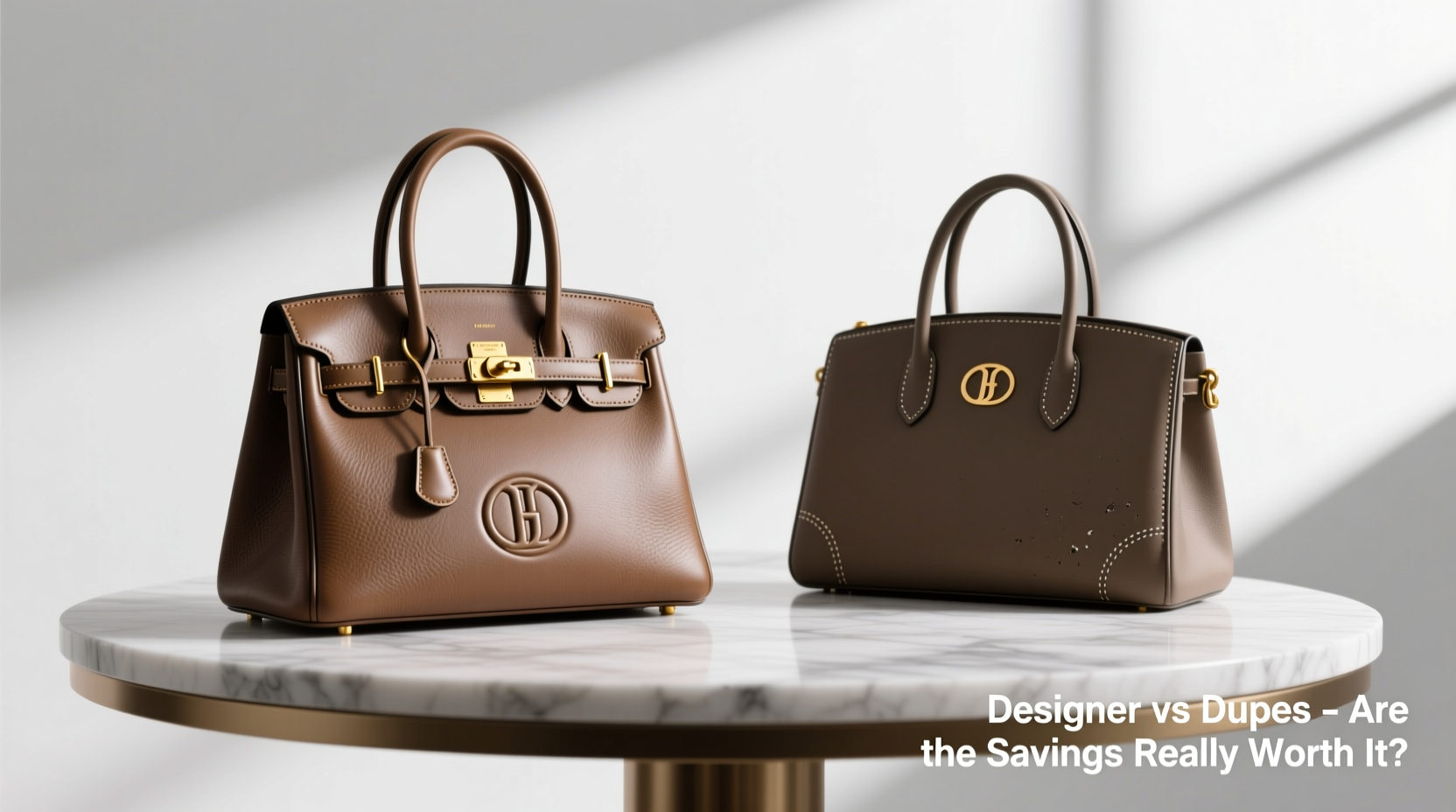
Luxury handbags are more than accessories; they’re investments. Many high-end brands use premium materials such as full-grain leather, solid hardware, and meticulous stitching techniques that ensure longevity. A well-maintained designer bag can last decades and even appreciate in value—especially limited editions or iconic models like the Hermès Birkin or the Chanel Classic Flap.
Designers also offer customer service perks: complimentary cleaning, repairs, and authentication services. This level of post-purchase support reflects a commitment to product stewardship that most fast-fashion brands don’t provide.
“Luxury brands aren’t just selling a bag—they’re selling heritage, consistency, and a legacy of craftsmanship.” — Marcus Lang, Fashion Industry Analyst
What Are Dupes, and Why Are They So Popular?
Dupes—short for “duplicates”—are imitation bags designed to mimic the appearance of high-end styles. Sold by fast-fashion retailers or online marketplaces like Shein, Amazon, or AliExpress, these bags typically cost between $20 and $150. Their appeal lies in accessibility: anyone can achieve a high-fashion look without draining their savings.
Social media has amplified this trend. Influencers showcase dupe hauls, proving how easy it is to “style like a millionaire” on a budget. For many, especially younger consumers or those building a capsule wardrobe, dupes offer a low-risk way to experiment with trends.
Breaking Down the True Cost: Quality & Longevity
The upfront savings of a dupe are obvious, but long-term value tells a different story. Consider this comparison:
| Factor | Designer Bag (e.g., Coach Tabby, ~$1,200) | Dupe (e.g., Amazon lookalike, ~$45) |
|---|---|---|
| Material Quality | Full-grain leather, brass hardware | Polyurethane, plastic zippers |
| Stitching & Construction | Hand-stitched, reinforced stress points | Machine-sewn, uneven tension |
| Lifespan | 5–15+ years with care | 3 months to 2 years |
| Resale Value | 40–70% of original price | Nearly zero |
| Environmental Impact | Higher per unit, but longer use reduces waste | High turnover contributes to textile waste |
Over five years, purchasing a new dupe every 12–18 months could total $150–$300—still less than a designer bag. But factor in frustration from broken zippers, peeling finishes, or distorted shapes, and the emotional cost adds up. Meanwhile, a single investment in a designer piece may outlast multiple dupes combined.
Real-Life Example: Two Shoppers, Two Paths
Meet Lena and Zoe. Both wanted a structured tote resembling the Celine Triomphe.
Lena bought the authentic Celine for $2,450. She used it daily for three years, had it professionally cleaned twice, and eventually sold it for $1,600. Her net cost: $850 over 1,095 days—about $0.78 per day.
Zoe opted for a $68 dupe from a popular online retailer. It lasted eight months before the strap detached and the lining tore. She replaced it twice over the same period, spending $204. Her net cost: $204 over 1,095 days—about $0.19 per day.
At first glance, Zoe saved money. But she missed the confidence of carrying a genuine luxury item, dealt with frequent replacements, and contributed to landfill waste. Lena enjoyed consistent quality, resale flexibility, and a sense of ownership pride.
Ethical and Environmental Considerations
Beyond personal cost, there’s a broader impact. Fast-fashion dupes often come from factories with questionable labor practices. Workers may face unsafe conditions, low wages, and excessive hours—all to meet demand for cheap, trendy goods.
In contrast, major luxury houses are increasingly transparent about sustainability efforts. Brands like Stella McCartney, Gabriela Hearst, and even Kering-owned labels (Gucci, Balenciaga) publish annual environmental reports and invest in traceable materials.
While not all luxury brands are perfect, their slower production cycles and emphasis on durability align better with sustainable fashion principles than disposable dupes.
When Dupes Make Sense (And When They Don’t)
Dupes aren’t inherently bad. They serve a purpose, especially when:
- You’re testing a trend before investing.
- Budget constraints are real and immediate.
- You need a temporary accessory for an event.
- The original design is inaccessible due to waitlists or pricing.
But dupes fall short when:
- You expect daily, long-term use.
- Quality affects functionality (e.g., work bag, travel companion).
- You value craftsmanship and brand integrity.
- You're contributing to overconsumption patterns.
Checklist: How to Decide Between Designer and Dupe
- Assess your usage: Will you carry it weekly or occasionally?
- Set a timeline: Do you want it to last one season or five years?
- Research materials: Is it real leather or synthetic? Are zippers metal or plastic?
- Check return policies: Can you return if quality disappoints?
- Calculate cost-per-use: Divide price by number of uses to compare value.
- Consider resale: Will it hold value or end up donated?
- Evaluate ethics: Does the brand align with your values on labor and environment?
Frequently Asked Questions
Are all dupes made poorly?
No—not all dupes are low quality. Some independent designers create well-made replicas using ethical practices and durable materials. However, most mass-market dupes prioritize speed and low cost over longevity.
Can I get a “luxury feel” without paying full price?
Yes. Consider pre-owned designer bags from authenticated resale platforms like Rebag, The RealReal, or Vestiaire Collective. You can save 30–60% while still getting genuine craftsmanship and materials.
Do designer bags always hold their value?
No—only select models do. Iconic pieces from Hermès, Chanel, and certain vintage Louis Vuitton trunks tend to retain or increase value. Most modern releases depreciate, though slower than fast-fashion items.
Making the Right Choice for You
The decision between a designer bag and a dupe isn’t black and white. It depends on your lifestyle, financial situation, aesthetic goals, and values. There’s no shame in choosing affordability—but be aware of what you’re sacrificing.
If you value durability, ethics, and timeless style, a designer bag—even purchased secondhand—may deliver greater satisfaction. If you're chasing trends or need a short-term solution, a well-chosen dupe can be practical and stylish.
The key is intentionality. Ask yourself: Am I buying this because I love it, or because it looks good in a photo? Will I still want it in six months? Does it reflect the kind of consumer I want to be?
“Sustainability in fashion starts with asking not just ‘Can I afford it?’ but ‘Is it worth it?’” — Dr. Nina Patel, Sustainable Design Researcher
Final Thoughts: Worth Beyond Price
Savings matter—but so does value. A $50 bag that falls apart in weeks may cost less upfront, but it costs more in time, frustration, and environmental impact. A $1,500 bag that lasts a decade and brings daily joy may be one of the smarter purchases you make.
Ultimately, fashion should serve you—not the other way around. Whether you choose a designer original or a clever dupe, let your decision be informed, conscious, and aligned with your needs.




 浙公网安备
33010002000092号
浙公网安备
33010002000092号 浙B2-20120091-4
Comments
No comments yet. Why don't you start the discussion?