
In an era where access often trumps ownership, the luxury fashion industry is no exception. Designer handbags—once seen as lifelong investments and status symbols—are now just a rental app away from your doorstep. With platforms like Rent the Runway, Bagborroworsteal, and By Rotation offering high-end bags for a fraction of retail prices, consumers are reevaluating whether purchasing a $5,000 Birkin makes financial or emotional sense. The question isn’t just about cost—it’s about lifestyle, sustainability, and personal values. So, in today’s fast-moving fashion landscape, does owning a designer bag still hold meaning?
The Changing Value of Ownership
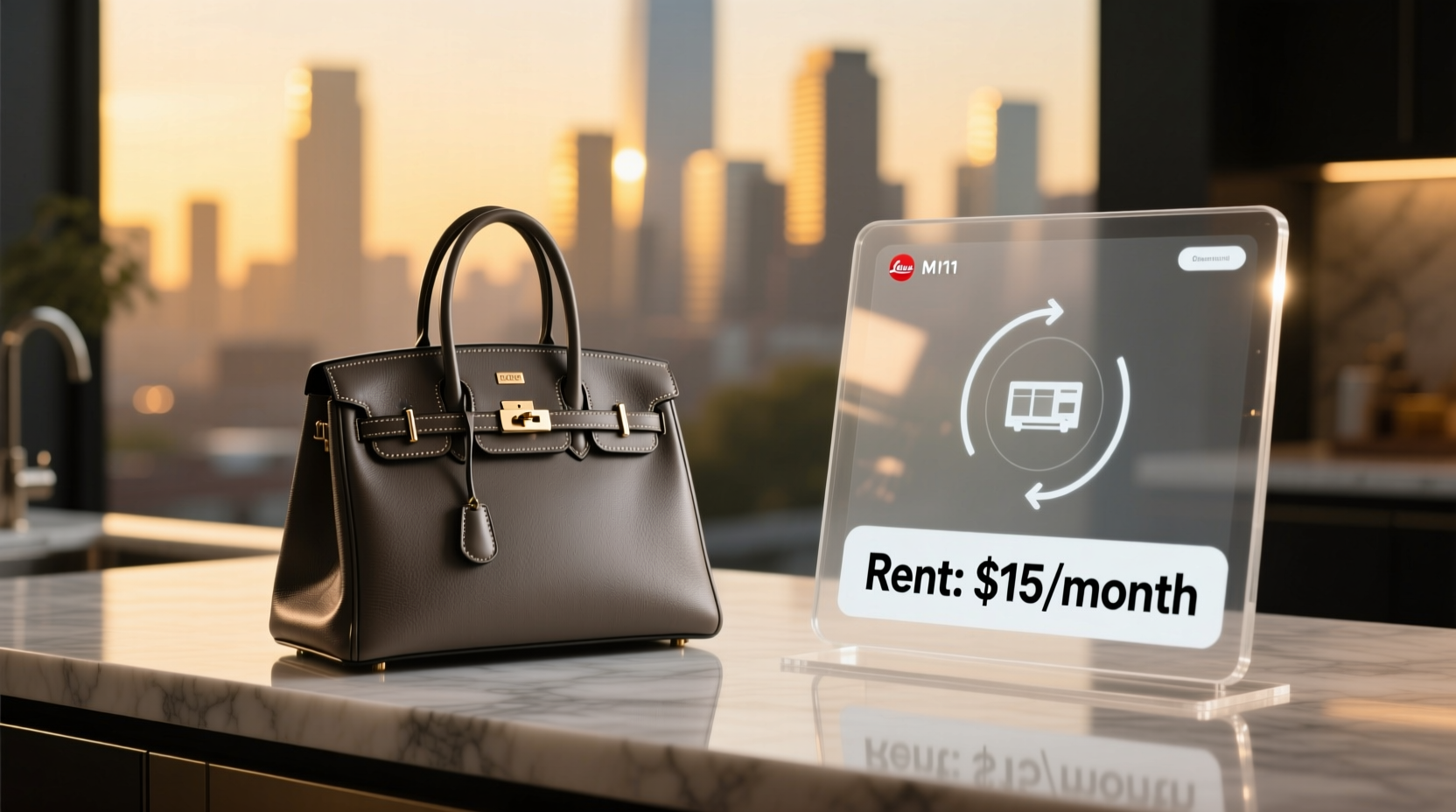
For decades, owning a designer bag was synonymous with success. A Chanel flap, a Hermès Kelly, or a Louis Vuitton Neverfull wasn’t just an accessory; it was a statement. These pieces were built to last, passed down through generations, and often appreciated in value. But today’s consumer prioritizes flexibility and experiences over permanence. The rise of subscription models in everything from cars to clothing has reshaped expectations. Why commit to one bag when you can rotate through ten in a year?
This shift reflects broader cultural changes. Millennials and Gen Z favor minimalism and sustainability, rejecting the idea of hoarding items they use infrequently. For many, the emotional payoff of ownership has diminished, replaced by the thrill of variety and novelty. Renting allows users to wear a different designer piece for every occasion—without the guilt of underuse or the burden of storage.
Cost Breakdown: Buying vs. Renting
Let’s look at the numbers. A new Gucci Marmont matelassé mini bag retails for around $2,500. Even with careful use, its resale value after two years might drop to $1,300—a loss of nearly 50%. Factor in insurance, maintenance, and storage, and the true cost climbs higher.
Renting the same bag for a weekend typically costs between $75 and $120. Over a year, using it four times would total around $400—less than 16% of the purchase price. Even frequent renters who use a new bag monthly would spend under $1,500 annually, still significantly below the cost of ownership.
| Scenario | Annual Cost | Lifetime Value (5 yrs) |
|---|---|---|
| Buy 1 Designer Bag ($2,500) | $2,500 | $1,250 (resale estimate) |
| Rent 4x/year ($100 avg.) | $400 | $2,000 (5 yrs) |
| Rent Monthly ($125 avg.) | $1,500 | $7,500 (access to 60+ bags) |
The data shows that unless you're wearing the bag weekly and plan to keep it for a decade, renting offers far better cost efficiency. But cost isn't the only factor.
Sustainability and Ethical Considerations
Luxury fashion has long faced criticism for waste and overproduction. While brands tout craftsmanship and longevity, the reality is that most designer bags sit unused in closets. A 2022 report by ThredUp found that the average handbag is worn only 7–10 times before being discarded or resold.
Rental models promote circular fashion by maximizing each item’s usage. One bag rented to 20 people extends its functional life and reduces demand for new production. As sustainability becomes a priority, renting aligns better with eco-conscious values.
“Sharing luxury goods isn’t just smart financially—it’s a necessary evolution for the industry.” — Clara Nguyen, Sustainable Fashion Researcher at Parsons School of Design
When Ownership Still Makes Sense
Despite the advantages of renting, there are scenarios where buying remains logical.
- Emotional attachment: Some collectors buy bags as heirlooms or art pieces, not for daily use.
- Investment potential: Rare, limited-edition bags from Hermès or vintage Chanel can appreciate over time.
- Daily utility: If you carry the same bag to work every day, ownership eliminates scheduling hassles and wear fees.
- Status and identity: For some, owning a specific bag affirms identity, achievement, or personal taste in a way renting cannot replicate.
Still, even in these cases, buyers should approach ownership strategically. Not all designer bags hold value. Only select styles from top-tier brands with proven resale markets—like Hermès Birkins, certain Chanel classics, or rare Dior saddle bags—consistently outperform inflation.
Mini Case Study: Sarah’s Wardrobe Shift
Sarah, a 34-year-old marketing executive in Chicago, bought her first designer bag—a Celine Triomphe—at 26. She saved for a year and wore it proudly for three years. But as her style evolved, she found herself drawn to bolder trends: Jacquemus’ micro bags, Prada Re-Nylon, Bottega Veneta’s woven styles. Buying each new favorite wasn’t sustainable.
She joined a luxury rental service and now rotates bags monthly. Last quarter, she wore a vintage Fendi Baguette to a wedding, a Loewe Puzzle for a business trip, and a Saint Laurent Sac de Jour to the office. Her annual rental spend: $1,200. Total cost of equivalent purchases: over $8,000. “I get the luxury experience without the clutter,” she says. “And I’m not stuck with something I don’t love anymore.”
Step-by-Step Guide: How to Decide What’s Right for You
- Assess your usage frequency: Will you use the bag more than 15 times a year? If yes, ownership may be justified.
- Check resale value: Look up past auction results on sites like Vestiaire Collective or Rebag. Does the model retain value?
- Calculate total cost of ownership: Include insurance, cleaning, and storage. Compare to estimated rental costs.
- Evaluate emotional drivers: Are you buying for joy, investment, or social signaling?
- Test via rental first: Rent the bag you want to buy for a week. If you love it, consider purchasing. If not, save your money.
Checklist: Buy or Rent Your Next Designer Bag?
- ☐ I plan to use the bag at least twice a month
- ☐ The model has strong resale history (e.g., Hermès, classic Chanel)
- ☐ I have secure, climate-appropriate storage
- ☐ I’m prepared to insure and maintain it
- ☐ I’ve already rented it and loved it long-term
- ☐ I value exclusivity and permanent ownership
If three or more apply, buying may be worthwhile. If not, renting is likely the smarter choice.
Frequently Asked Questions
Can rented bags be damaged? Who’s liable?
Most rental services include damage protection for minor wear, but major damage (tears, stains, broken hardware) incurs fees. Always read the terms. Some platforms offer insurance upgrades for high-value items.
Do designer brands support rental platforms?
Some do. Brands like Burberry and Armani have partnered with rental services in Europe. Others remain cautious, fearing brand dilution. However, as resale and rental grow, more luxury houses are exploring official rental programs.
Is renting really more sustainable?
Yes, when it replaces new purchases. One bag shared among multiple users reduces resource use, carbon footprint, and textile waste. However, frequent shipping can offset gains—choose services with consolidated shipping or local pickup options when possible.
Conclusion: Rethinking Value in the Age of Access
The allure of owning a designer bag hasn’t vanished—but its significance has evolved. In a world where style cycles accelerate and sustainability matters, ownership must be intentional. Blindly buying into luxury branding no longer aligns with modern values. Renting isn’t just a budget hack; it’s a thoughtful alternative that promotes variety, reduces waste, and democratizes access to high fashion.
That said, if a bag brings you lasting joy, holds its value, or carries sentimental weight, ownership remains meaningful. The key is making informed choices—not defaulting to tradition. Whether you buy or rent, let your decision reflect your lifestyle, ethics, and actual usage.




 浙公网安备
33010002000092号
浙公网安备
33010002000092号 浙B2-20120091-4
Comments
No comments yet. Why don't you start the discussion?