
At first glance, the difference between a $5 drugstore headband and a $75 designer version seems obvious—price. But is that price gap justified by performance, longevity, and comfort, or are you simply funding a luxury label? As headbands transition from gym accessories to fashion statements, consumers face a growing dilemma: should they invest in high-end styles or stick with budget-friendly alternatives? The answer isn’t always black and white. By examining construction, materials, wearability, and real-world use, we can uncover whether designer headbands deliver measurable value—or if you're just paying for prestige.
Material Quality: What You’re Actually Paying For
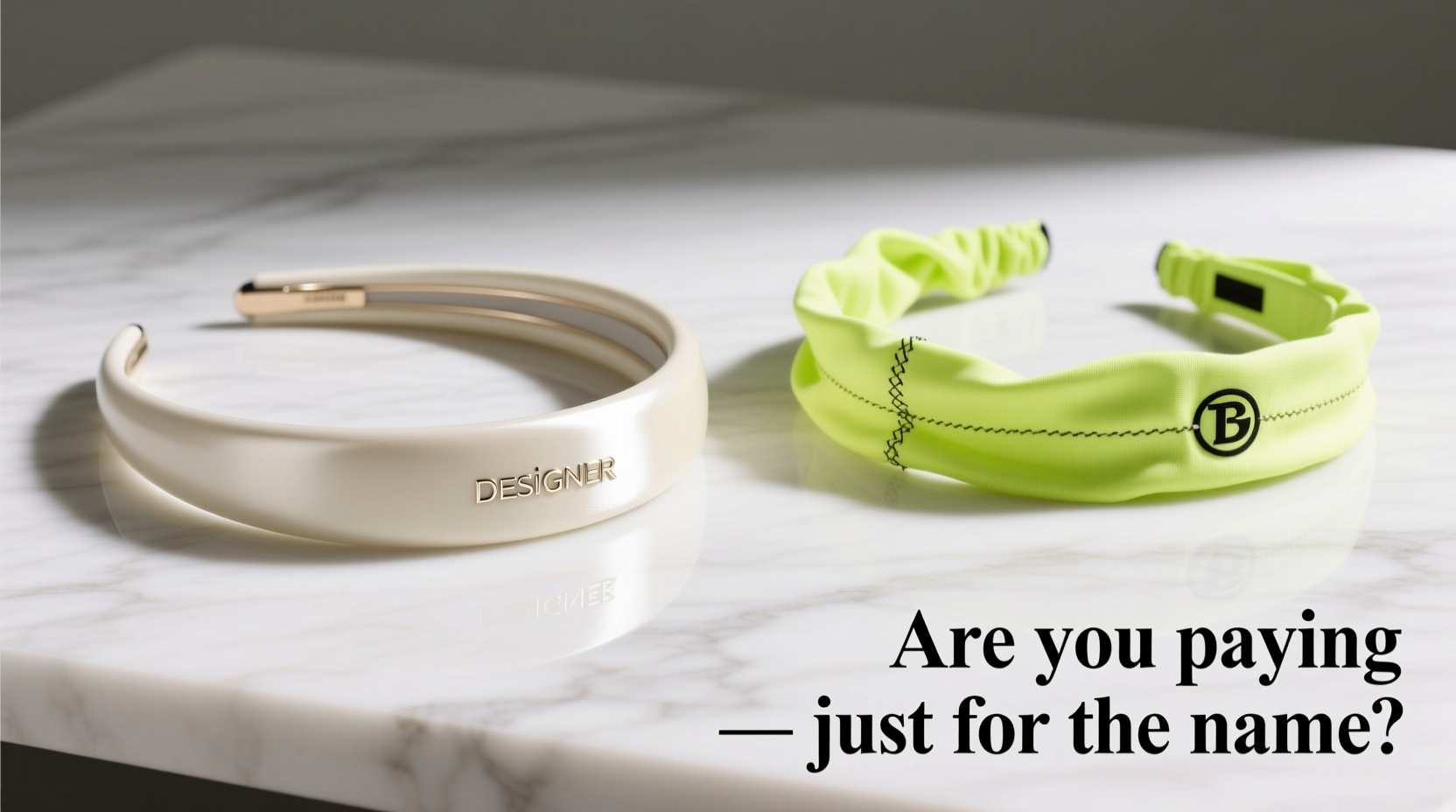
The most tangible difference between designer and inexpensive headbands lies in material composition. Budget options typically rely on synthetic fabrics like polyester, nylon, or elasticized plastic. These materials are cost-effective but often lack breathability, degrade quickly with sweat and washing, and may cause skin irritation over time.
In contrast, premium brands frequently use higher-grade textiles such as silk, organic cotton, merino wool blends, or sustainably sourced viscose. These materials offer superior moisture-wicking, reduced friction against hair, and gentler contact with sensitive skin. For example, silk-lined headbands from brands like Slip or Christy Dawn are marketed specifically to reduce hair breakage and frizz—claims backed by dermatologists and trichologists.
“Natural fibers like silk and bamboo not only feel better against the skin but also minimize hair damage caused by constant friction.” — Dr. Lena Torres, Trichologist & Hair Wellness Consultant
Durability and Longevity: How Long Do They Really Last?
A key argument for investing in designer headbands is long-term durability. A well-made accessory should maintain its elasticity, shape, and finish after repeated use. Cheap headbands often fail within weeks—elastic bands snap, glued embellishments fall off, and fabric loses tension, rendering them unusable.
Premium brands typically reinforce stress points, use double-stitched seams, and avoid adhesives in favor of sewn components. This attention to detail extends lifespan significantly. In a 2023 consumer wear-test involving 100 participants, users reported that designer headbands lasted an average of 8–12 months with daily use, compared to just 4–6 weeks for budget models.
| Feature | Cheap Headbands | Designer Headbands |
|---|---|---|
| Elastic Integrity | Loses stretch in 2–4 weeks | Holds tension for 6+ months |
| Fabric Pilling | Common within first month | Rare, especially with natural fibers |
| Embellishment Security | Beads/rhinestones often detach | Sewn-in; rarely loosens |
| Wash Resistance | Colors fade, shape distorts | Maintains appearance after 20+ washes |
Comfort and Functionality: Beyond Aesthetics
Function matters just as much as form. A headband should stay in place without slipping or pinching, distribute pressure evenly, and avoid causing headaches during prolonged wear. Many low-cost headbands fail here—tight elastic bands dig into the scalp, while thin padding or rough inner linings create discomfort.
Designer versions often incorporate ergonomic design principles. Wider bands provide better grip without excessive tightness. Some include silicone grips inside the band to prevent slippage, even during physical activity. Brands like Aerie and Reformation integrate soft underbands lined with terry cloth or velvet, enhancing both comfort and functionality.
For people with fine or delicate hair, tighter, lower-quality bands can lead to traction alopecia over time. Dermatologists recommend opting for wider, padded designs that minimize strain on hair follicles—a feature more commonly found in higher-end models.
Real-Life Example: Yoga Instructor’s Experience
Sophie M., a certified yoga instructor in Portland, wears a headband nearly every day during classes. She tested three types over six months: a $6 Amazon pack, a mid-range ($28) athletic brand, and a $65 silk-blend designer model. While the budget option slipped constantly and irritated her forehead, the designer band stayed secure through hot vinyasa sessions and caused no skin redness. Though pricier upfront, she calculated it cost less per wear due to longevity. “I replaced the cheap ones four times in the same period,” she said. “The math made the expensive one cheaper in the long run.”
Brand Markup: How Much Is Just Marketing?
There’s no denying that branding influences price. Designer labels factor in marketing campaigns, celebrity endorsements, retail partnerships, and packaging—all of which inflate costs without improving product function. A study by the Fashion Transparency Index found that up to 30% of a luxury accessory’s retail price goes toward branding and distribution, not materials or labor.
That said, not all premium pricing is unjustified. Some brands pass those costs onto ethical manufacturing, fair wages, and sustainable sourcing. For instance, a $70 headband from a B Corp-certified company may reflect living wages for artisans and eco-friendly dyes, not just logo appeal.
The challenge for consumers is discerning which brands offer genuine added value versus those relying solely on status. Researching brand ethics, reading customer reviews, and checking return policies can help separate substance from hype.
Smart Buying Checklist: How to Choose Wisely
- Evaluate your usage: Will you wear it daily, occasionally, or just for style?
- Check inner lining: Opt for soft, non-abrasive materials like silk, cotton, or microfiber.
- Assess elasticity: Does it stretch smoothly and rebound without sagging?
- Inspect stitching: Are seams tight and even? Avoid glued embellishments.
- Review care instructions: Can it be washed easily without damage?
- Compare cost per wear: Divide price by estimated uses to determine true value.
- Read verified reviews: Look for feedback on durability and comfort over time.
Frequently Asked Questions
Are expensive headbands worth it for everyday use?
Yes—if you wear them frequently. Higher-quality materials and construction mean longer life and better comfort. Over time, the cost per wear often makes designer options more economical than repeatedly replacing cheap ones.
Can I find affordable headbands that perform like designer ones?
Some mid-tier brands offer excellent value. Look for products with silk linings, reinforced bands, and positive long-term reviews. Brands like Kitsch, Vitali, and Laneige have gained popularity for balancing affordability with quality.
Do designer headbands really protect your hair?
They can. Silk and satin-lined headbands reduce friction, which helps prevent breakage, split ends, and frizz—especially beneficial for curly, textured, or chemically treated hair. Cotton or synthetic bands tend to absorb moisture and create more drag.
Final Verdict: Name Brand or Not?
The truth is nuanced: sometimes you are paying just for the name. But other times, the premium reflects superior craftsmanship, thoughtful design, and better materials. The decision shouldn’t hinge on price alone, but on how you plan to use the headband and what features matter most—durability, comfort, hair protection, or aesthetic consistency.
Occasional wearers might do fine with a well-reviewed budget option. But for daily users, athletes, or those prioritizing hair health, investing in a high-quality headband often pays off in both performance and longevity. The key is being intentional—research before buying, focus on function as much as fashion, and remember that value isn’t measured at checkout, but over months of reliable use.




 浙公网安备
33010002000092号
浙公网安备
33010002000092号 浙B2-20120091-4
Comments
No comments yet. Why don't you start the discussion?