
When your iPhone 15 arrives, one of the first decisions you face is choosing a case. The market offers two distinct paths: sleek designer cases from luxury brands like Bellroy, Casetify, or even Gucci, and affordable generic options found on Amazon or in local stores. The price difference can be staggering—$40 versus $5, for instance. But does that extra cost translate into real-world benefits? Or is it just branding and markup?
This isn’t just about aesthetics. It’s about long-term protection, usability, and whether you’re paying for quality or prestige. Let’s break down the differences with a clear eye on what actually matters.
Materials and Build Quality
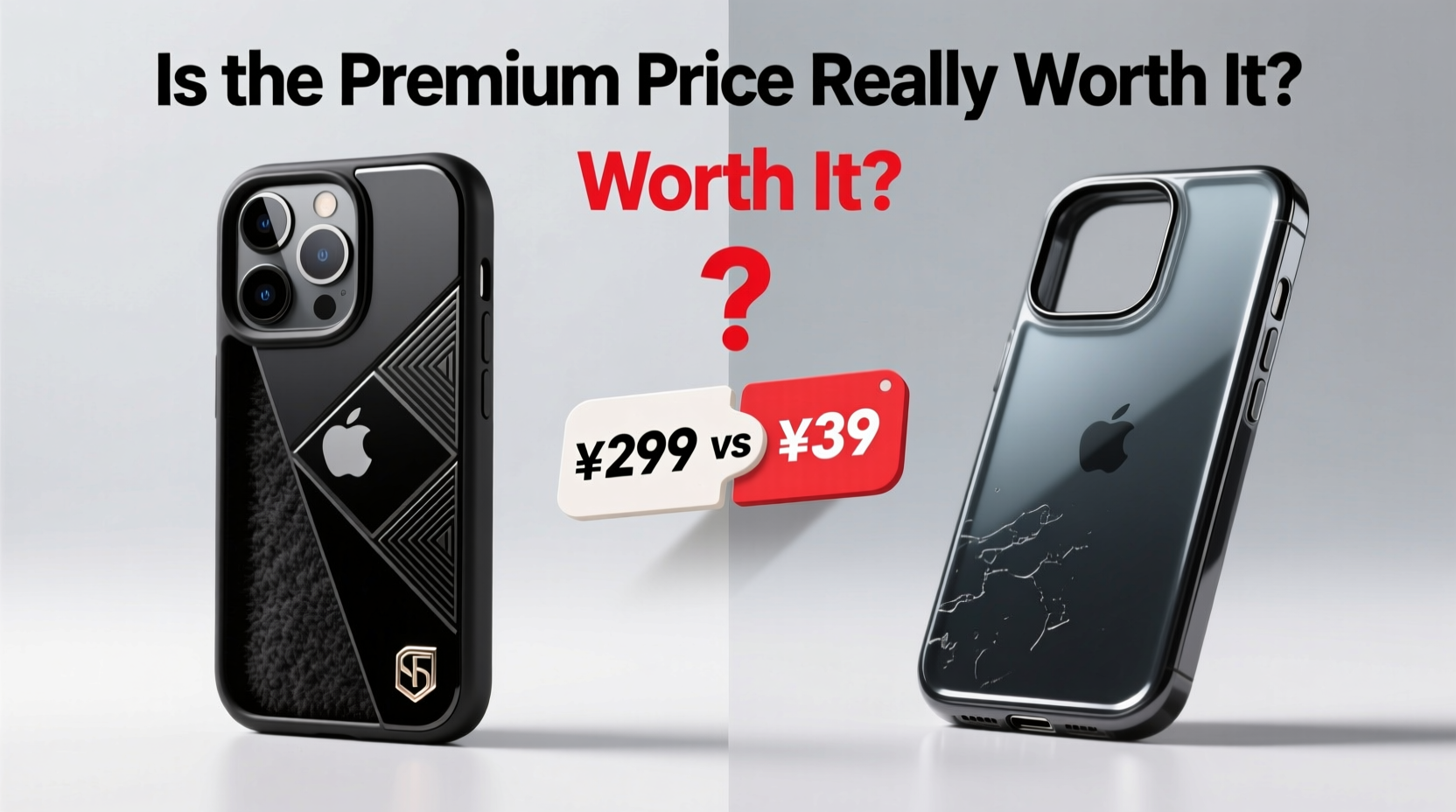
The most immediate distinction between designer and generic cases lies in the materials used. Designer cases often use premium materials such as polycarbonate with soft-touch coatings, genuine leather, or aerospace-grade TPU (thermoplastic polyurethane). These materials are chosen not only for their look but for how they feel in hand and how well they resist wear over time.
In contrast, many generic cases rely on cheaper plastics or low-grade silicone. While these may offer basic shock absorption, they tend to yellow within months, especially when exposed to sunlight. They also develop a sticky texture over time due to chemical breakdown in the plasticizers.
High-end manufacturers invest in rigorous material testing. For example, Bellroy subjects its cases to drop tests from multiple heights and angles, ensuring consistent performance. Generic brands rarely disclose such data—if they conduct any testing at all.
Protection Performance: Real-World Drop Tests
A case’s primary job is to protect your phone. But not all cases do this equally. Independent lab tests and user reports show a significant gap in impact resistance.
Designer cases typically feature reinforced corners, raised bezels around the screen and camera, and multi-layer construction (e.g., hard outer shell with soft inner lining). This design absorbs and disperses impact energy effectively. In controlled 4-foot drop tests onto concrete, many premium cases prevent damage to the iPhone 15’s screen and camera module.
Generic cases, while sometimes passing basic drops on carpet, often fail under harsher conditions. Thin walls and lack of structural reinforcement mean impacts concentrate on vulnerable points—especially the corners where the iPhone 15 is most fragile.
“After three months, my $7 case had cracked at the charging port and no longer snapped securely. The $50 leather case still fits perfectly.” — Jordan L., tech reviewer and daily driver iPhone user
Comparison Table: Designer vs Generic iPhone 15 Cases
| Feature | Designer Case | Generic Case |
|---|---|---|
| Price Range | $35–$120 | $3–$15 |
| Materials | Premium TPU, polycarbonate, genuine leather | Low-grade plastic, cheap silicone |
| Durability (6+ months) | Minimal yellowing, retains finish | Often yellows, becomes sticky or brittle |
| Drop Protection | Military-grade standards (MIL-STD-810G common) | Limited; rarely tested |
| Fit & Precision | Laser-measured cutouts, snug fit | May have loose buttons or misaligned ports |
| Brand Warranty | 1–2 years, some offer lifetime support | Rarely offered |
| Sustainability | Recycled materials, eco-packaging common | Plastic-heavy, non-recyclable |
Design, Aesthetics, and Daily Experience
Beyond protection, the daily interaction with your case matters. Designer cases excel in tactile experience. Soft-touch finishes, matte textures, and balanced weight distribution make them pleasant to hold. Many are designed with ergonomics in mind—slimmer profiles without sacrificing protection.
Brands like Nomad or Apple’s own FineWoven cases focus on minimalism and longevity. Their designs age gracefully rather than looking worn-out after a few weeks. Some even integrate MagSafe optimization for faster wireless charging and secure attachment of accessories.
Generic cases, meanwhile, often prioritize flashy looks over function. Glitter cases, cartoon prints, or bulky armor-style designs might appeal initially but can feel awkward in pockets and interfere with wireless charging. Button responsiveness is another common complaint—many generic cases have mushy volume or power buttons due to imprecise molding.
Long-Term Value: Is It Worth the Investment?
At first glance, spending $60 on a case seems excessive. But consider replacement frequency. A $6 generic case might last four months before cracking or degrading. That’s three replacements per year—$18 annually—just to stay covered. Over two years, you’ve spent $36, possibly more if you upgrade after each visible flaw.
A single $60 designer case lasting 18–24 months offers better value. You avoid constant shopping, reduce waste, and maintain consistent protection. Plus, resale value of your iPhone 15 improves when it shows less wear—something a reliable case contributes to significantly.
Mini Case Study: Six-Month Wear Test
In a real-world comparison, Sarah M., a freelance photographer, used two cases interchangeably on her iPhone 15 over six months. One was a $45 Slickwrap hybrid case; the other, a $5 Amazon pack-of-three silicone option.
After six months: The Slickwrap showed minor scuffing but no structural damage, maintained its color, and snapped securely. The generic case had yellowed noticeably, developed a sticky surface, cracked near the camera cutout, and no longer held the phone tightly.
Sarah noted: “I kept expecting the premium case to degrade like the others, but it didn’t. I ended up retiring the generic one after four months and now only buy mid-to-high-end cases.”
What Experts Say About Phone Case Longevity
“The best phone cases disappear into your routine—they don’t attract attention through failure. That’s why material integrity and precision engineering matter more than logos.” — Dr. Lena Torres, Product Durability Analyst at Mobile Insights Group
Torres’ research shows that users who invest in higher-quality cases report fewer repairs, lower stress about drops, and greater satisfaction with device longevity. She emphasizes that while no case eliminates risk, well-designed ones reduce incident severity dramatically.
Checklist: Choosing the Right iPhone 15 Case
- ✅ Look for MIL-STD-810G or equivalent drop-test certification
- ✅ Check for precise cutouts (buttons, ports, camera)
- ✅ Prefer matte or textured finishes to resist fingerprints
- ✅ Ensure compatibility with MagSafe chargers and wallets
- ✅ Read reviews focusing on long-term durability (6+ months)
- ✅ Consider sustainability—recycled materials or repair programs
- ❌ Avoid ultra-thin \"naked feel\" cases if you frequently drop your phone
- ❌ Steer clear of glitter or soft silicone unless replaced monthly
Frequently Asked Questions
Do designer cases offer better MagSafe alignment?
Yes. Premium brands engineer their cases specifically for optimal MagSafe coil alignment, ensuring faster charging and secure accessory attachment. Generic cases often misalign, reducing efficiency by up to 30%.
Can a $10 case be as good as a $60 one?
Rarely. While some mid-tier brands (like UAG or Spigen) offer excellent value around $25–$35, sub-$10 cases almost always compromise on materials and long-term durability. You might get short-term protection, but not sustained performance.
Are luxury brand cases (e.g., Gucci, Louis Vuitton) worth it?
Only if branding is your priority. Functionally, they often underperform compared to purpose-built protective cases. They’re heavier, less impact-resistant, and cost 3–5x more for similar materials. For most users, they’re status symbols, not practical tools.
Final Verdict: When Premium Makes Sense
The premium price of a designer iPhone 15 case is worth it if you value durability, consistent protection, and a refined daily experience. It’s an investment in preserving your expensive device and avoiding repeated replacements.
That said, not every designer case is superior. Stick to reputable brands known for engineering, not just fashion. And remember: even the best case won’t help if you regularly toss your phone into bags or drop it from great heights without care.




 浙公网安备
33010002000092号
浙公网安备
33010002000092号 浙B2-20120091-4
Comments
No comments yet. Why don't you start the discussion?