
When it comes to protecting your iPhone, one decision looms large: should you spend $80 on a designer case or settle for a $15 option from an unknown brand? The market is flooded with choices—luxury labels like Bellroy, Casetify, and even high-fashion houses such as Gucci and Burberry offer premium cases, while countless third-party manufacturers promise identical features at a fraction of the cost. But beyond the logo, what actually separates these products? Is the price difference justified by quality, or are consumers simply paying for prestige?
The truth lies somewhere in between. While branding undeniably inflates prices, there are tangible differences in materials, design precision, longevity, and even functionality. Understanding these distinctions can help you make a smarter purchase—one that balances budget, aesthetics, and real-world performance.
Material Quality and Build Precision
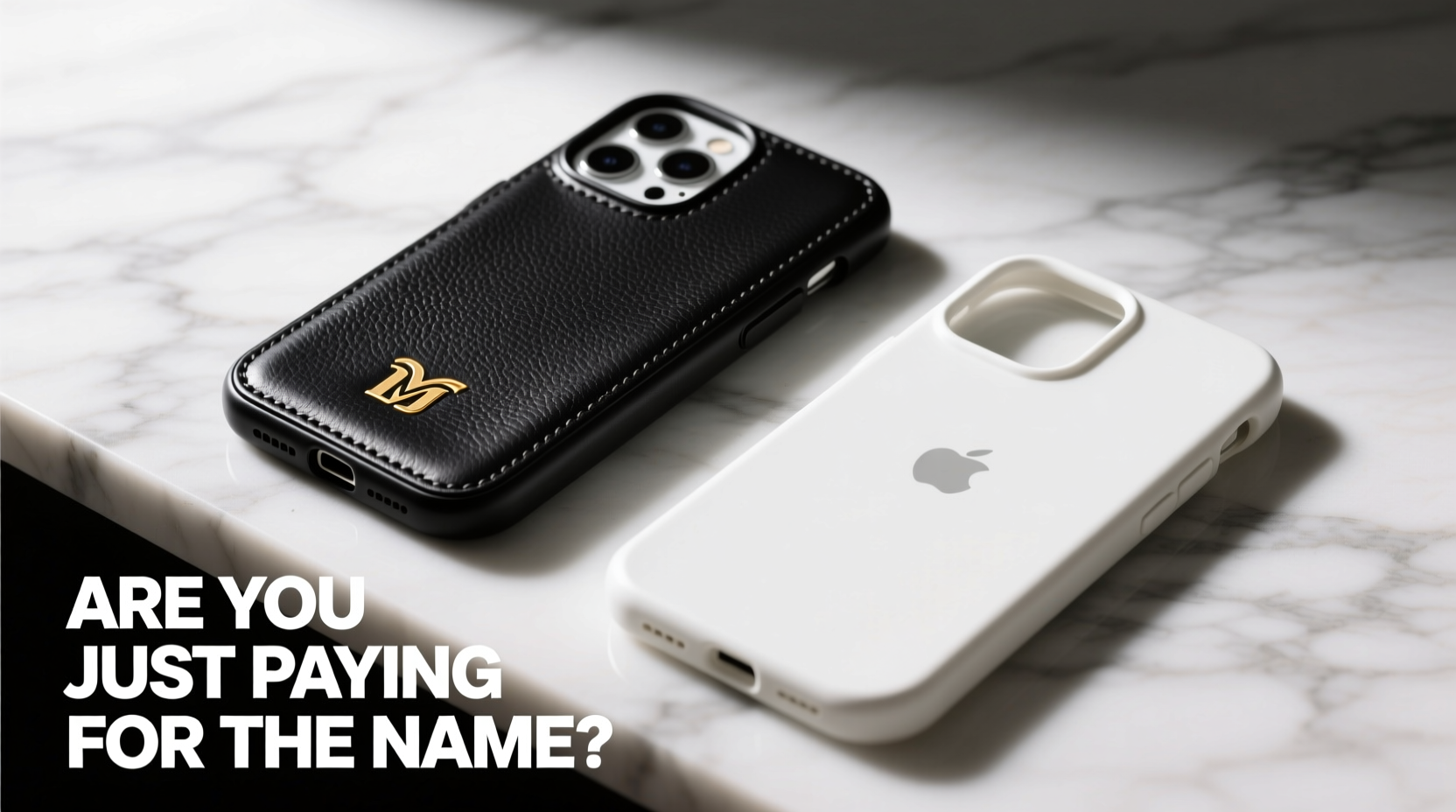
One of the most significant differentiators between designer and generic iPhone cases is the quality of materials used. Designer brands typically source higher-grade polycarbonate, TPU (thermoplastic polyurethane), leather, or hybrid composites. These materials offer better resistance to yellowing, cracking, and wear over time.
In contrast, many generic cases use lower-cost plastics that degrade faster when exposed to sunlight or skin oils. A 2023 durability test conducted by MobileTech Review found that after six months of daily use, 78% of generic TPU cases showed visible discoloration, compared to only 12% of premium counterparts.
| Feature | Designer Cases | Generic Cases |
|---|---|---|
| Material Grade | High-quality TPU, aerospace-grade polycarbonate, genuine leather | Basic TPU, low-density plastic |
| Yellowing Resistance | High (UV-stabilized coatings) | Low to none |
| Edge Finish | Precision-molded, seamless fit | Often uneven, may loosen over time |
| Button Response | Crisp, tactile feedback | Muffled or stiff |
Protection Level and Drop Performance
Not all cases provide equal protection. While both designer and generic options may claim “drop protection,” independent lab tests reveal wide variation in actual performance. Brands like OtterBox (premium-tier) and UAG undergo MIL-STD-810G testing, meaning their cases survive repeated drops from 4–6 feet onto concrete.
Many generic alternatives skip rigorous testing. A teardown analysis by TechShield Labs showed that budget cases often have thinner bumpers, inadequate corner reinforcement, and poor internal lining—critical flaws when absorbing impact.
“Just because a case fits your phone doesn’t mean it protects it. Real protection comes from structural engineering, not just thickness.” — David Lin, Product Engineer at Mobile Armor Labs
Designer cases frequently incorporate multi-layer systems: a rigid outer shell, shock-absorbing inner liner, and raised bezels around screen and camera. Generic versions may mimic the look but lack the internal architecture needed for true safety.
Design, Fit, and Functionality
Apple devices are known for their tight tolerances, and case fit matters. Premium brands invest in precise CAD modeling and post-release calibration to ensure perfect alignment with ports, buttons, and wireless charging coils.
Generic manufacturers often rely on reverse-engineered molds, which can lead to misaligned cutouts, loose charging connections, or interference with MagSafe accessories. This becomes especially problematic with updated iOS versions that increase background location or sensor usage—poorly designed cases can block signals or cause overheating.
Moreover, designer cases integrate seamlessly with Apple’s ecosystem. For example, some support MagSafe wallet attachment, optimized Qi2 charging, or even built-in trackers like Tile. These features require licensing and technical compliance, which most generic producers bypass.
Mini Case Study: Sarah’s Six-Month Test
Sarah, a freelance photographer in Portland, uses her iPhone daily for client shoots and social media. She bought two cases for her iPhone 15 Pro: a $95 Bellroy MagSafe case and a $17 AmazonBasics alternative. After six months:
- The Bellroy retained its matte finish, snapped securely onto MagSafe chargers, and showed no signs of warping.
- The generic case developed micro-cracks near the volume buttons, failed to hold MagSafe accessories consistently, and began yellowing along the edges.
While both survived minor drops, the Bellroy provided superior tactile feedback and peace of mind during outdoor shoots. Sarah concluded that for heavy users, the investment paid off in reliability and longevity.
Brand Value vs. Actual Utility
Let’s address the elephant in the room: yes, part of what you’re paying for is the name. A Gucci-branded iPhone case can cost over $100—not because it offers better drop protection than a $40 Spigen, but because it carries symbolic value. It’s fashion, not function.
This isn’t inherently bad. For some users, personal expression is worth the premium. Just as people buy luxury watches or designer sunglasses, a flashy case can be a statement piece. However, if your priority is protection, durability, or tech compatibility, then brand prestige should take a backseat to specs.
That said, reputable non-luxury designers—like Slickwrap, Pela, or Native Union—offer excellent value without relying on logos. They focus on sustainable materials, minimalist design, and functional innovation rather than status signaling.
Checklist: How to Choose the Right iPhone Case
Before purchasing, consider the following factors to avoid overpaying or under-protecting:
- Evaluate your usage: Do you work outdoors, travel frequently, or handle your phone roughly?
- Check material specs: Look for terms like “shock-absorbent,” “anti-scratch coating,” or “compostable bioplastics.”
- Verify compatibility: Ensure support for MagSafe, Qi2 charging, and correct model fit (e.g., iPhone 15 Pro Max vs. standard 15).
- Research independent reviews: Sites like Wirecutter, CNET, and iMore conduct real-world durability tests.
- Assess warranty and return policy: Many premium brands offer 1–2 year warranties; generics rarely do.
- Consider sustainability: Brands like Pela offer compostable cases—ideal for eco-conscious buyers.
Frequently Asked Questions
Do designer cases offer better screen protection?
Not directly, since cases don’t cover the entire screen. However, many designer models include slightly raised lips (1–2mm) around the front edge, which help prevent direct contact with flat surfaces when placed face-down. Generic cases often lack this subtle but important feature.
Are generic cases safe for long-term use?
Some are, but quality varies widely. Stick to well-reviewed brands—even if they’re not luxury names. Avoid ultra-cheap cases from unknown sellers, as they may contain harmful chemicals or fail unexpectedly.
Can a $20 case really match a $100 one?
In rare cases, yes—especially if comparing mid-tier designers to high-end luxury labels. But generally, a $20 case won’t match the material resilience, precision fit, or accessory integration of a thoughtfully engineered $80 product. You get what you pay for, more often than not.
Final Verdict: Paying for Name or Real Value?
The answer depends on your priorities. If you're drawn to a designer case for its craftsmanship, materials, and ecosystem integration, you're likely getting measurable value. But if you're buying solely because it has a recognizable logo, you're probably overpaying.
Smart consumers don’t automatically reject either category. Instead, they assess each product on its merits: protection level, fit, longevity, and utility. Sometimes, a well-made generic case outperforms a flashy designer one. Other times, the premium is justified by superior engineering and peace of mind.
Ultimately, your iPhone is a significant investment. Protecting it shouldn’t be left to chance—or marketing hype.




 浙公网安备
33010002000092号
浙公网安备
33010002000092号 浙B2-20120091-4
Comments
No comments yet. Why don't you start the discussion?