
A keychain may seem like a minor accessory—small, utilitarian, often overlooked. Yet, in recent years, luxury brands have turned this everyday object into a statement piece. From engraved leather tags to solid metal charms bearing iconic logos, designer keychains now retail for hundreds, even thousands of dollars. Meanwhile, generic versions cost a few dollars at gas stations or online marketplaces. The question arises: is there real value behind the premium price, or is it just branding?
This article breaks down the tangible and intangible differences between designer and generic keychains. We’ll examine materials, craftsmanship, longevity, emotional value, and practical utility to determine whether spending more actually pays off.
Materials and Build Quality
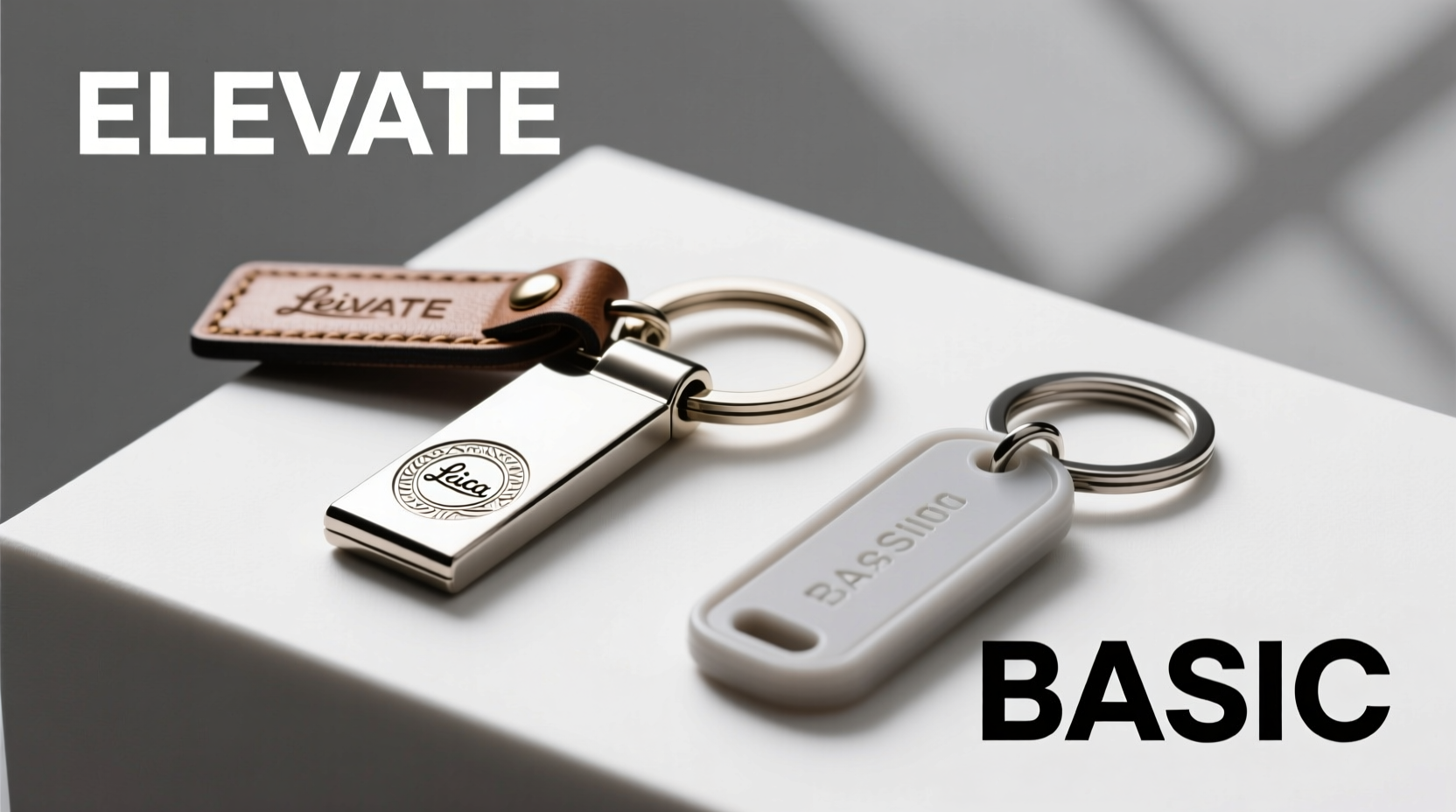
The most immediate difference lies in what each keychain is made of. Generic keychains are typically mass-produced using low-cost materials such as zinc alloy, plastic, or thin stainless steel. These materials are prone to chipping, tarnishing, or breaking under regular use. Engravings wear off quickly, paint flakes, and clasps loosen within months.
In contrast, designer keychains use higher-grade components. Brands like Hermès, Gucci, or Bottega Veneta often use full-grain leather, solid brass, palladium plating, or aerospace-grade aluminum. These materials resist corrosion, maintain their finish longer, and feel substantial in hand. For example, a Louis Vuitton key pouch with a cowhide lining and brass hardware will outlast a dozen plastic imitations.
Design and Aesthetic Value
Generic keychains follow trends or pop culture references. They’re flashy, temporary, and rarely timeless. Designer keychains, however, are designed as extensions of brand identity. Their shapes, colors, and detailing reflect broader fashion collections. Many feature subtle branding rather than loud logos, appealing to those who prefer understated elegance.
Consider the Prada Triangle Logo Key Ring: minimalist, polished, and instantly recognizable to those familiar with the brand. It’s not just functional—it’s symbolic. For some, that symbolism carries emotional or aspirational weight. Carrying a piece from a house with heritage and craftsmanship can be a daily reminder of personal achievement or taste.
“Luxury accessories aren’t about utility alone—they’re about identity. A keychain can say as much about a person as their watch or shoes.” — Marcus Tran, Luxury Lifestyle Editor at *Vogue Living*
Cost Comparison: Long-Term Value Analysis
At first glance, the price gap seems unjustifiable. A basic keychain costs $3–$10. A designer version ranges from $75 to over $400. But long-term value depends on how often you replace it and how much you value its presence in your daily life.
| Feature | Generic Keychain | Designer Keychain |
|---|---|---|
| Average Price | $3–$15 | $75–$400+ |
| Material | Zinc alloy, plastic, thin metal | Solid brass, leather, palladium |
| Lifespan | 6–18 months | 5+ years (with care) |
| Repairability | None – disposable | Possible (e.g., leather conditioning, polishing) |
| Resale Value | Negligible | Up to 60% (for collectible editions) |
| Emotional/Status Value | Low | High (personal significance, recognition) |
When amortized over five years, a $300 keychain used daily costs about $60 per year. If it replaces ten $10 generics over the same period, the total spent on generics would be $100. In this scenario, the designer option is both cheaper and more durable. Factor in emotional satisfaction and status signaling, and the equation shifts further.
Real-World Example: Two Professionals, Two Choices
Take James and Amir, both corporate consultants in their early 30s. James buys a new generic keychain every six months—usually something branded with a conference logo or novelty charm. He spends about $60 over five years but admits they all look “cheap” and eventually get lost or break.
Amir invests $220 in a Bottega Veneta Intrecciato leather key fob during a milestone birthday. Five years later, he still uses it. The leather has developed a rich patina, and colleagues often compliment it. When he travels, clients notice it clipped to his briefcase. To him, it represents stability and attention to detail.
Neither choice is objectively right or wrong. But Amir’s keychain delivers lasting utility, aesthetic consistency, and subtle professional signaling—benefits James’ rotating collection doesn’t provide.
When a Designer Keychain Makes Sense
Not everyone needs a luxury keychain. But certain situations justify the investment:
- As a gift: A personalized designer keychain with initials or a meaningful symbol makes a memorable present for graduations, retirements, or promotions.
- Brand loyalty: If you already own other items from a luxury house (wallet, bag, watch), a matching keychain completes the ensemble.
- Daily visibility: If keys are frequently handled or displayed (e.g., in client meetings), a refined accessory reflects professionalism.
- Collectibility: Limited editions from brands like Balenciaga or Dior sometimes appreciate in resale markets.
Step-by-Step: How to Decide What’s Right for You
- Assess your usage: Do you lose or damage keychains often? If yes, start with a mid-tier durable option before jumping to luxury.
- Define your priorities: Is durability important? Style? Symbolism? Rank these factors.
- Set a budget: Decide how much you’re willing to spend once versus repeatedly.
- Research materials: Prioritize solid metals, full-grain leather, and secure clasps.
- Try before you buy: Visit a boutique or authorized retailer to feel the weight and finish.
- Consider maintenance: Can you clean or condition it? Will it tarnish in humid climates?
- Make the decision: Choose based on long-term value, not impulse.
FAQ
Do designer keychains hold their value?
Most depreciate slightly, but limited editions or discontinued models from high-demand brands (e.g., vintage Goyard or Hermès) can retain or increase value, especially if unused and boxed.
Can I personalize a luxury keychain?
Yes—many brands offer complimentary engraving or embossing. Gucci, for instance, allows up to three initials on leather tags. Personalization increases sentimental value and uniqueness.
Are there good mid-range alternatives?
Absolutely. Brands like Bellroy, Tumi, or Montblanc offer well-made key organizers ($40–$100) using quality materials without the designer markup. These strike a balance between function and refinement.
Checklist: Choosing Your Next Keychain
- ☐ Determine your primary need: durability, style, or symbolism
- ☐ Set a realistic budget (one-time vs. recurring)
- ☐ Research material quality and clasp strength
- ☐ Try the product in person if possible
- ☐ Check return policy and warranty
- ☐ Consider personalization options
- ☐ Evaluate long-term care requirements
Final Verdict: Worth It or Overpriced?
Expensive keychains aren’t inherently “worth it” for everyone. If you misplace keys often or view accessories purely functionally, a generic model suffices. But for those who appreciate craftsmanship, consistency, and subtle expression, a designer keychain offers tangible and psychological returns.
It’s not just about holding keys—it’s about carrying an object that feels intentional. Like a well-tailored shirt or a reliable timepiece, a quality keychain contributes to a curated personal aesthetic. And unlike fast-fashion items, many luxury keychains age gracefully, developing character over time.
The real test isn’t the price tag. It’s whether the item earns its place on your keyring day after day. If it does, then yes—it’s worth it.




 浙公网安备
33010002000092号
浙公网安备
33010002000092号 浙B2-20120091-4
Comments
No comments yet. Why don't you start the discussion?