
Sleep quality hinges on more than just a good mattress. The details matter—especially what touches your skin all night. Pillowcases, often overlooked, play a quiet but powerful role in how well you rest. With designer options flooding the market—featuring intricate embroidery, bold prints, and premium branding—it’s natural to wonder: Are these stylish upgrades actually beneficial, or just aesthetic indulgences? This article breaks down the functional differences between designer and plain pillowcases, examining materials, breathability, skin and hair health, durability, and value to help you decide whether the fancy patterns are truly worth it.
The Material Matters More Than the Pattern
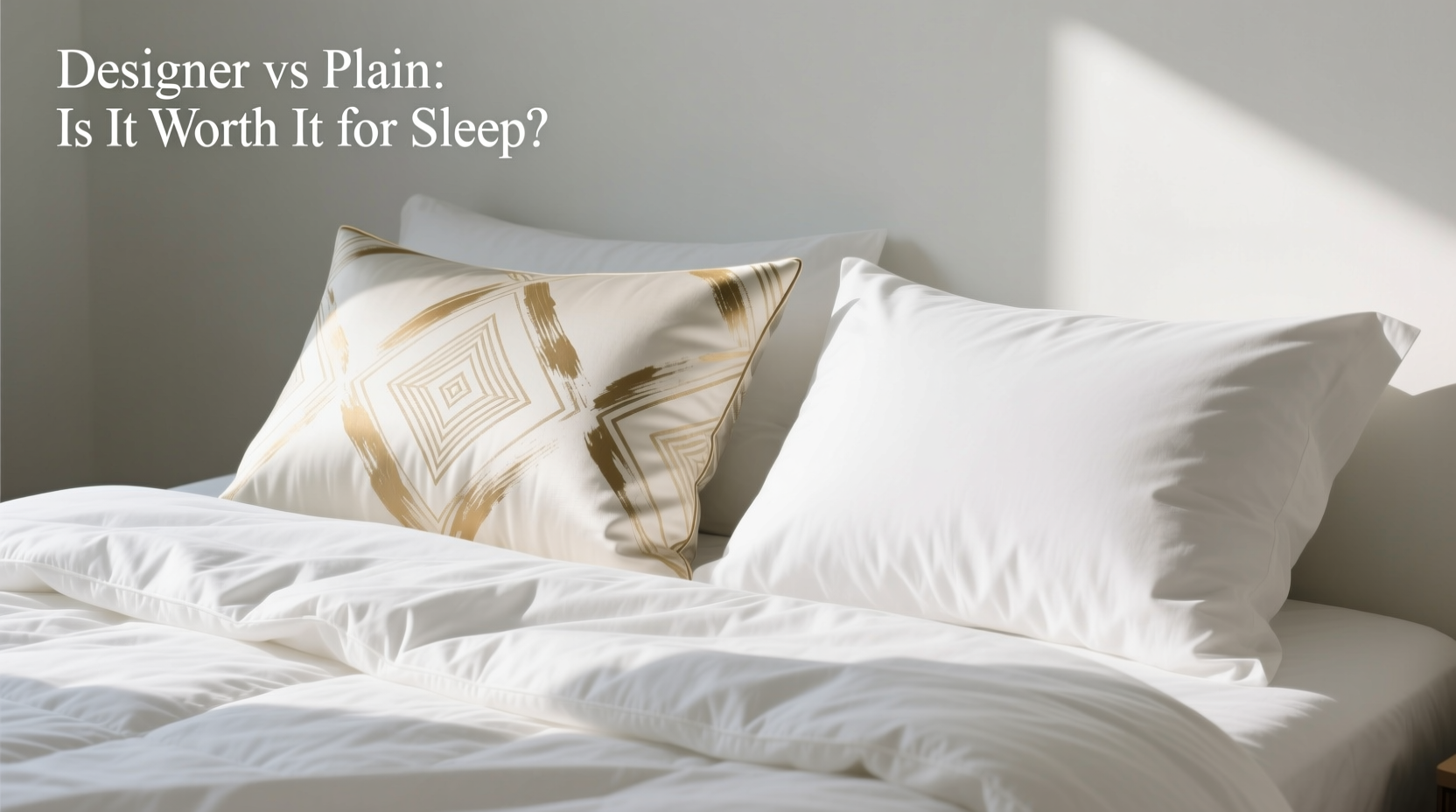
The most critical factor in any pillowcase isn’t its design, but its fabric. High-end designer pillowcases often use materials like 100% mulberry silk, high-thread-count cotton sateen, or TENCEL™ lyocell—materials chosen for their softness, moisture-wicking properties, and hypoallergenic qualities. In contrast, many plain pillowcases, especially budget versions, are made from polyester blends or low-grade cotton that can trap heat and cause friction.
However, not all designer cases are created equal. Some brands prioritize aesthetics over function, using delicate fabrics that degrade quickly or dyes that irritate sensitive skin. Meanwhile, plain pillowcases made from organic cotton or bamboo can outperform pricier patterned alternatives in terms of breathability and sustainability.
Comfort and Skin Health: What Science Says
Your face spends roughly eight hours a night in contact with your pillowcase. That prolonged exposure means the surface texture and absorbency directly affect your skin and hair. Dermatologists note that smoother fabrics reduce micro-tearing and friction, which can contribute to fine lines and acne breakouts caused by bacteria buildup.
“Silk and sateen fabrics create less friction than cotton or synthetic blends, making them ideal for sensitive skin and reducing bedhead.” — Dr. Lena Patel, Board-Certified Dermatologist
Silk, frequently used in designer pillowcases, is naturally temperature-regulating and resists moisture absorption, helping maintain skin hydration. However, authentic silk starts at around $80 per case and requires hand-washing, which may not suit everyone’s lifestyle. On the other hand, high-quality plain cotton percale offers excellent airflow and is easier to care for, making it a practical alternative for hot sleepers.
Comparing Features: Designer vs Plain Pillowcases
| Feature | Designer Pillowcases | Plain Pillowcases |
|---|---|---|
| Fabric Quality | Often premium (silk, sateen, TENCEL™) | Varies widely (polyester to organic cotton) |
| Design & Aesthetics | Unique patterns, branding, color variety | Minimalist, neutral tones, functional |
| Durability | Mixed—some delicate, others well-constructed | Generally durable, especially cotton blends |
| Care Requirements | Often dry clean or hand wash only | Machine washable, low maintenance |
| Average Price | $40–$120+ | $8–$25 |
| Skin & Hair Benefits | High, if made with silk or smooth fibers | Depends on material—cotton percale scores well |
Real-World Example: One Month Sleep Trial
Jessica, a 34-year-old graphic designer with combination skin and curly hair, decided to test two pillowcases over a month. She alternated weekly between a $95 designer silk case with floral embroidery and a $15 plain cotton percale case. Her observations were telling: the silk case reduced morning frizz and kept her skin feeling less oily, but required careful handling and lost luster after three machine-wash accidents (despite label warnings). The plain case survived frequent washing, stayed cool in summer heat, and didn’t irritate her skin—but she noticed slightly more tangles in her hair.
After four weeks, Jessica concluded that while the silk case offered tangible benefits, the convenience and resilience of the plain option made it her long-term choice. She now uses the silk case only during travel or dry winter months when extra hydration is needed.
Step-by-Step Guide to Choosing the Right Pillowcase
- Assess your sleep habits: Do you sleep hot? Toss and turn? These factors influence fabric needs.
- Identify skin or hair concerns: Frizzy hair or acne-prone skin benefit from smoother, non-absorbent fabrics.
- Check fiber content: Prioritize natural, breathable materials. Avoid synthetic blends if you sweat at night.
- Review care instructions: Be honest about how much maintenance you’ll do. Silk demands more effort than cotton.
- Test one before committing: Buy a single high-quality case first. Try it for at least two weeks.
- Compare price per use: A $100 silk case used nightly for a year costs about $0.27 per night—less than a cup of coffee.
Common Misconceptions About Designer Pillowcases
- Myth: All designer pillowcases are made of silk. Reality: Many use printed cotton or satin-backed polyester to cut costs.
- Myth: Fancy patterns mean better quality. Reality: Embellishments like lace or embroidery can snag and wear faster.
- Myth: Expensive = longer lifespan. Reality: Poor care can ruin a luxury case in months, while plain cotton can last years.
FAQ: Your Pillowcase Questions Answered
Do silk pillowcases really prevent wrinkles?
While no pillowcase eliminates aging, silk reduces friction compared to cotton, minimizing sleep creases that may contribute to fine lines over time. It won’t stop natural aging, but it can reduce mechanical stress on delicate facial skin.
Can I put a designer pillowcase in the washing machine?
It depends. Most silk cases require hand washing or a delicate cycle in a mesh bag. Check the care label—machine washing without protection can damage fibers and fade prints. Cotton-based designer cases are typically more machine-friendly.
Are plain pillowcases hygienic enough?
Absolutely. Hygiene depends on washing frequency, not design. Plain cases made from breathable fabrics like cotton or bamboo are easy to clean and dry quickly, reducing bacterial growth. Wash every 3–5 days for best results.
Final Verdict: Are Fancy Patterns Worth It?
The answer depends on your priorities. If you value aesthetics, occasional luxury, and have the time to care for delicate fabrics, a well-chosen designer pillowcase can enhance your bedroom ambiance and offer real comfort benefits. But if your focus is durability, ease of care, and consistent performance, a high-quality plain pillowcase made from natural fibers may serve you better—and cost significantly less.
Ultimately, the “best” pillowcase isn’t the one with the prettiest pattern, but the one that supports your sleep environment, skin health, and lifestyle without becoming a chore to maintain. You don’t need a designer label to get good sleep—just thoughtful choices.




 浙公网安备
33010002000092号
浙公网安备
33010002000092号 浙B2-20120091-4
Comments
No comments yet. Why don't you start the discussion?