
When it comes to fine jewelry, few pieces carry as much emotional weight as a ring—be it an engagement band, wedding band, or a statement piece. In recent years, consumers have been faced with a growing choice: invest in a luxury designer ring from a globally recognized brand, or choose a handcrafted piece from an independent artisan. The price difference can be staggering, often stretching into thousands of dollars. But what exactly are you paying for? Is the premium attached to a designer name justified by superior quality, or is it simply branding?
This question isn’t about dismissing either option outright. Instead, it’s about understanding the real differences in craftsmanship, materials, ethics, and long-term value so you can make an informed decision that aligns with your values and budget.
The Designer Ring Premium: What You’re Really Paying For
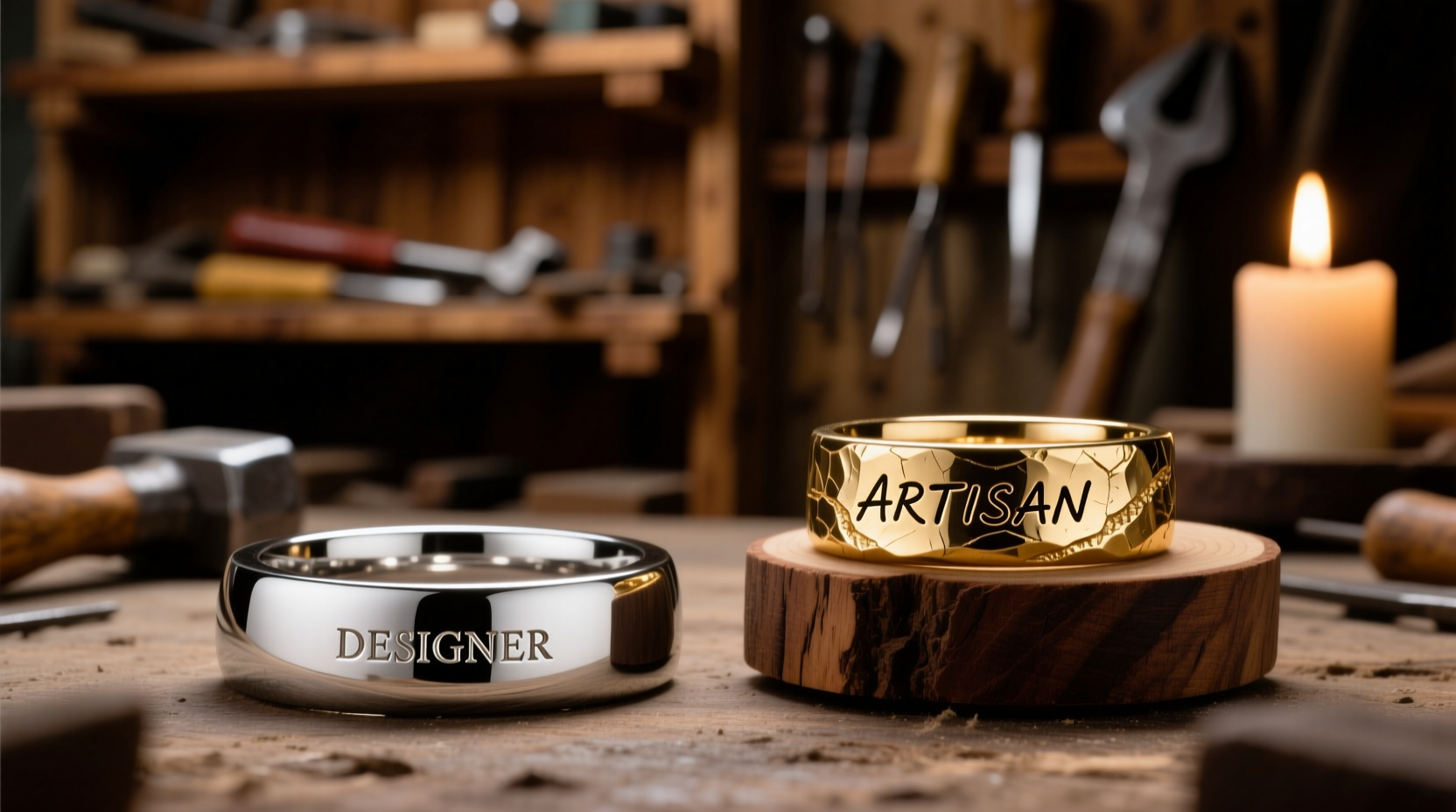
Luxury jewelry brands like Cartier, Tiffany & Co., or Van Cleef & Arpels command high prices not solely because of the materials they use, but due to a combination of heritage, marketing, retail presence, and exclusivity. These companies spend millions annually on advertising, celebrity endorsements, and maintaining flagship stores in cities like Paris, New York, and Tokyo. That overhead is factored into every product sold.
Moreover, the “halo effect” of owning a designer piece adds intangible value. A ring from a renowned house may carry social recognition, perceived status, and resale confidence. Some designer rings even appreciate over time, especially limited editions or vintage pieces.
“Brand equity in jewelry is powerful. A stamp doesn’t just certify metal purity—it certifies desirability.” — Lydia Chen, Jewelry Appraiser & GIA Graduate
However, when you examine the actual construction and materials of many designer rings, the cost-to-content ratio can raise eyebrows. A $15,000 platinum engagement ring might contain a 1-carat diamond graded G/SI1 and hand engraving, but the markup from wholesale could exceed 300%. While the setting is undoubtedly well-made, similar craftsmanship exists outside the luxury sphere—at a fraction of the price.
Artisan Craftsmanship: The Hidden Value in Handmade Rings
Independent artisans typically operate on a smaller scale, often designing and crafting each piece themselves or with a small team. Their focus is usually on personalized service, unique design, and ethical sourcing. Many artisans use recycled metals, lab-grown diamonds, or traceable natural stones, appealing to eco-conscious buyers.
Because they lack massive marketing budgets and global distribution networks, their pricing reflects actual production costs plus a fair wage for skilled labor. An artisan ring made of the same platinum with an equivalent center stone might cost $6,000–$9,000—less than half the designer price.
What sets artisan work apart is individuality. You’re unlikely to see someone else wearing the exact same ring. Artisans also offer customization options that large brands restrict due to standardized production. Want a hidden engraving, a specific prong style, or a non-traditional setting? Most artisans welcome such requests.
Comparing Key Factors: Designer vs Artisan Rings
| Factor | Designer Rings | Artisan Rings |
|---|---|---|
| Materials Quality | High (consistent standards) | Variable (often high; depends on maker) |
| Workmanship | Precise, factory-refined techniques | Hand-finished, often more detailed |
| Design Originality | Limited (signature styles dominate) | High (customization encouraged) |
| Price Markup | High (brand + retail + marketing) | Low to moderate (direct-to-consumer) |
| Ethical Sourcing | Improving, but inconsistent transparency | Often prioritized and verifiable |
| Resale Value | Strong (especially iconic models) | Limited (unless artist becomes collectible) |
The table illustrates a key trade-off: designer rings offer prestige and potential resale, while artisan rings deliver authenticity, personalization, and often better value per dollar spent on materials and labor.
A Real Example: Sarah’s Engagement Ring Decision
Sarah, a graphic designer from Portland, was engaged last year and set a budget of $10,000 for her ring. She initially visited a high-end boutique and fell in love with a solitaire platinum ring priced at $14,000—$4,000 over her limit. The salesperson emphasized the brand’s legacy and lifetime warranty.
Curious, she began researching independent jewelers online and found a local artisan who offered a nearly identical design using recycled platinum and a GIA-certified diamond of the same specs. The total came to $8,200, including a custom-fit comfort band and hand-engraved interior message. She met the jeweler, toured the studio, and even watched the casting process.
“I didn’t realize how much more meaningful the ring would feel knowing exactly who made it and where the materials came from,” Sarah said. “The designer ring was beautiful, but this one has a story.”
Her experience highlights a growing trend: consumers valuing provenance and connection over corporate pedigree.
How to Decide What’s Right for You
Choosing between designer and artisan isn’t a one-size-fits-all decision. It depends on your priorities. To help clarify your path, consider this checklist before purchasing:
Jewelry Purchase Checklist
- ✅ Define your budget and stick to it
- ✅ Determine whether brand prestige matters to you
- ✅ Research the jeweler’s reputation (reviews, certifications)
- ✅ Ask about material sourcing (conflict-free, recycled)
- ✅ Inquire about resizing, repairs, and warranty terms
- ✅ Request a written appraisal for insurance
- ✅ Consider future resale or heirloom potential
If you value tradition, assurance of consistency, and the security of a recognized name, a designer ring may be worth the premium. But if you prioritize sustainability, originality, and direct craftsmanship, an artisan piece offers compelling advantages—and often greater transparency.
Frequently Asked Questions
Do artisan rings last as long as designer rings?
Yes, provided they are made with high-quality materials and proper techniques. Many artisans use the same durable metals and setting methods as luxury brands. Longevity depends more on care and wear than origin.
Can I get a certified diamond in an artisan ring?
Absolutely. Reputable artisans source GIA- or AGS-graded diamonds and will provide certification upon request. They often pass on savings by cutting out middlemen, making certified stones more affordable in custom settings.
Is it harder to insure an artisan ring?
No. As long as you receive a detailed appraisal listing materials, carat weight, and craftsmanship value, standard jewelry insurers will cover it like any other piece.
Making a Choice That Reflects Your Values
In the end, the ring you choose says something about what you value—whether that’s legacy and recognition, or authenticity and intentionality. Paying extra for a name isn’t inherently wasteful if that name brings you confidence, cultural meaning, or emotional satisfaction. But it’s equally valid to reject inflated markups in favor of craftsmanship that’s transparent, sustainable, and deeply personal.
The jewelry market is evolving. Consumers today demand more than logos—they want stories, ethics, and uniqueness. As artisan makers gain visibility and designer houses face scrutiny over sustainability and labor practices, the gap in perceived value is narrowing.
Before writing a check for a six-figure brand name, ask yourself: Am I paying for quality—or just for the logo on the box?




 浙公网安备
33010002000092号
浙公网安备
33010002000092号 浙B2-20120091-4
Comments
No comments yet. Why don't you start the discussion?