
Walking into a department store or scrolling through online fashion sites, the price gap between designer and generic crossbody bags can be staggering. One might cost $300, while another nearly $3,000. For many consumers, the immediate question isn’t just about aesthetics—it’s about value. Is the premium truly justified by quality, longevity, and utility, or is it simply branding at work? The answer depends on more than price alone. It involves craftsmanship, materials, design intent, and personal lifestyle.
While a designer crossbody bag may elevate an outfit with its iconic hardware or silhouette, a generic alternative can offer similar functionality at a fraction of the cost. But when we dig deeper—into construction, wear patterns, resale potential, and emotional satisfaction—the decision becomes less black and white. This article examines both sides objectively, helping you determine whether paying more actually pays off in the long run.
Material Quality and Construction: What You’re Really Paying For
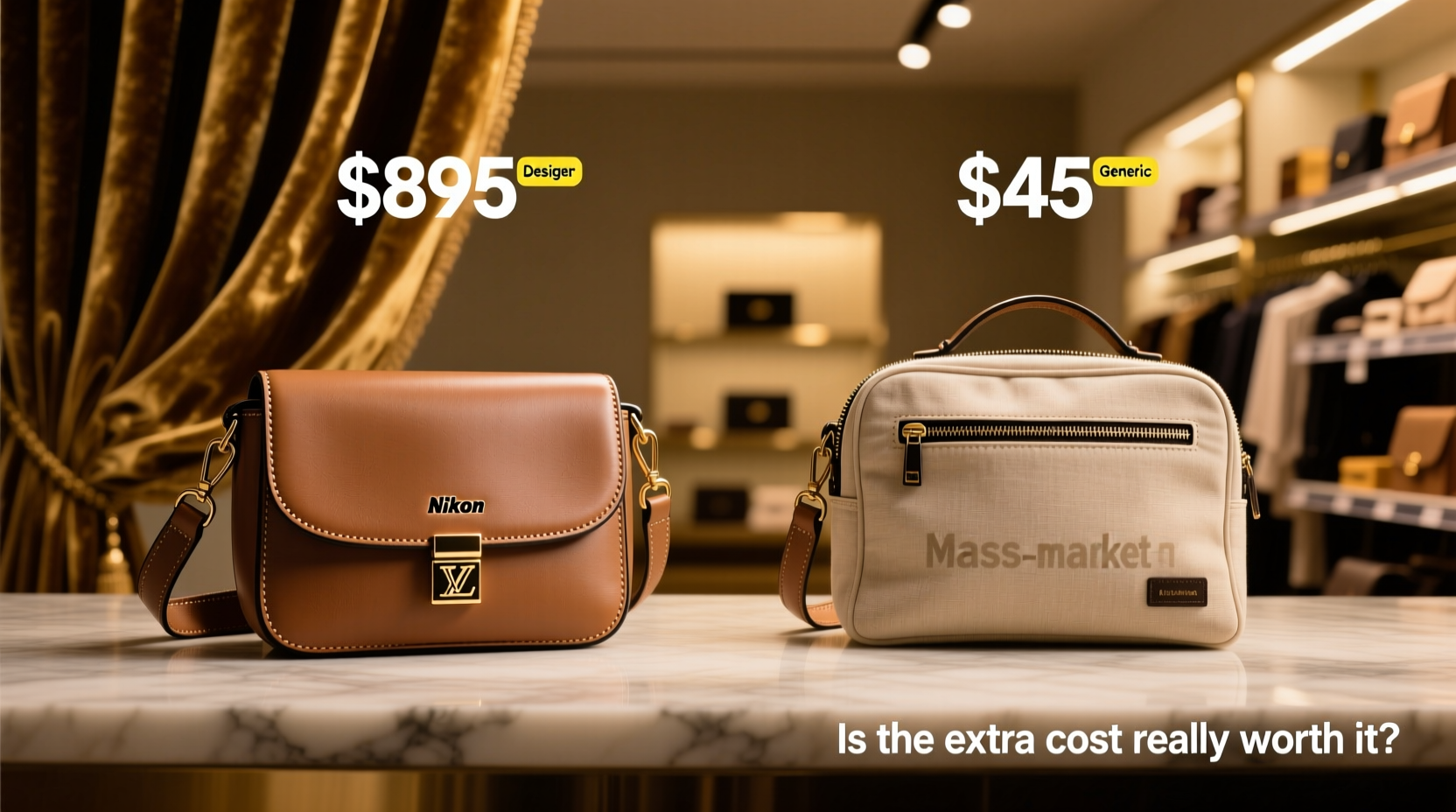
The most tangible difference between designer and generic crossbody bags lies in the materials and how they’re assembled. Designer brands often use full-grain or top-grain leather sourced from reputable tanneries, known for durability and aging beautifully over time. Stitching is typically done with reinforced thread, double-stitched at stress points like handles and straps, and inspected multiple times during production.
In contrast, many generic bags rely on bonded leather, synthetic fabrics, or lower-grade genuine leather. While these materials can look convincing at first, they are more prone to cracking, peeling, and fraying after months of regular use. Zippers, buckles, and clasps on budget models are often made from cheaper alloys or plastic, which degrade faster under daily strain.
“Luxury handbags aren’t just accessories—they’re engineered objects. The attention to structural integrity separates them from fast-fashion counterparts.” — Lena Moreau, Handbag Design Consultant
Longevity and Cost Per Use: A Practical Comparison
To assess true value, consider the “cost per use” metric. If you buy a $1,200 designer crossbody and use it three times a week for five years, that’s roughly 780 uses. Your cost per use comes out to about $1.54. Now compare that to a $120 generic bag used twice a week for one year (104 uses)—a cost per use of $1.15. Initially, the generic option seems more economical.
But what if the generic bag starts showing wear—cracked corners, broken clasp, faded color—after eight months? And what if the designer bag, properly cared for, lasts not just five but eight years? Over time, the higher upfront investment spreads thinner across each use, potentially making it the more economical choice.
| Factor | Designer Crossbody | Generic Crossbody |
|---|---|---|
| Average Price | $900–$3,000 | $50–$200 |
| Expected Lifespan | 5–10 years | 6 months – 2 years |
| Material Quality | Full-grain leather, metal hardware | Bonded leather, plastic zippers |
| Resale Value | 40–70% of retail (for iconic styles) | Negligible |
| Repairability | Often repairable via brand service | Limited or no repair options |
Design, Functionality, and Everyday Use
Functionality matters as much as form. Designer crossbody bags are often developed with ergonomics in mind: adjustable straps, balanced weight distribution, secure closures, and smart internal organization. Many include RFID-blocking pockets, padded phone slots, or hidden compartments designed for urban lifestyles.
Generic bags may mimic the look but lack thoughtful details. Straps might be too short or too stiff, forcing awkward wear. Interior linings can wear thin quickly, and pockets may be poorly placed. Some users report that lower-cost bags become uncomfortable after just 30 minutes of wear due to uneven weight or strap pressure.
One real-life example: Sarah, a freelance photographer in Brooklyn, bought a $180 faux-leather crossbody for travel. It looked great in photos but began sagging after two months of city use. The shoulder strap detached during a shoot in Lisbon. She switched to a pre-owned $1,100 Celine crossbody, which she’s used daily for over four years. “It’s heavier upfront,” she says, “but I don’t worry about it failing me mid-day. That peace of mind is part of the value.”
Brand Prestige and Emotional Value
There’s no denying the psychological impact of owning a designer piece. For some, it represents achievement, confidence, or alignment with a certain aesthetic identity. Carrying a recognizable bag can influence how others perceive you—and how you feel about yourself. This intangible benefit, while subjective, holds real weight in personal and professional settings.
However, this same prestige drives markup. Branding accounts for a significant portion of the final price—not just logo placement, but marketing campaigns, celebrity endorsements, and retail experiences. Critics argue that up to 40% of a luxury bag’s cost goes toward image rather than material or labor.
If emotional satisfaction and social signaling matter to you, the premium may be worthwhile. But if you prioritize utility over status, a well-reviewed generic bag from a reputable retailer could serve you just as effectively.
When a Generic Bag Makes Sense (And When It Doesn’t)
Not every situation demands a designer investment. Here’s a checklist to guide your decision:
- Choose generic if: You want a seasonal trend piece, need a backup bag, or are testing a new style.
- Choose designer if: You plan daily use, value heirloom quality, or want a timeless staple.
- Consider pre-owned designer: Platforms like Rebag or The RealReal offer authenticated luxury bags at 30–60% off retail.
- Avoid ultra-cheap synthetics: Bags under $50 often fail within months, creating waste and long-term cost.
- Prioritize care: Even a $200 bag lasts longer with routine cleaning and proper storage.
Step-by-Step Guide: How to Evaluate Any Crossbody Bag Before Buying
- Inspect the stitching: Look for even, tight lines without loose threads or skipped stitches.
- Test the hardware: Open and close zippers, clasps, and magnetic snaps repeatedly. Do they feel smooth and secure?
- Check the lining: Pull back the fabric slightly. Is it cleanly attached? Does it feel flimsy?
- Assess weight and balance: Wear the bag (if possible). Does it sit comfortably across your body?
- Research reviews: Search for long-term user feedback on durability and comfort.
- Evaluate return policy: Can you return it if it doesn’t meet expectations after a week of use?
Frequently Asked Questions
Can a generic bag last as long as a designer one?
Possibly, but rarely. High-end generic brands (e.g., Dagne Dover, Bellroy) come closer in quality, but most budget options use materials and construction methods that limit lifespan. With exceptional care, a $150 bag might last 2–3 years, but it won’t age as gracefully as full-grain leather.
Do designer bags hold their value?
Some do—especially iconic models from Chanel, Hermès, or Louis Vuitton, which have historically appreciated. Most other designer bags depreciate but retain 40–70% of value if resold in good condition. Generic bags rarely have resale demand.
Is it worth repairing a generic bag?
Usually not. Replacement parts and skilled artisans cost more than the bag itself. Designer brands often offer official repair services, sometimes included in warranty or available for a fee, extending the bag’s life significantly.
Final Verdict: Is the Extra Cost Worth It?
The answer hinges on your priorities. If you seek a reliable, long-lasting accessory that blends function, comfort, and timeless design, a designer crossbody often justifies its price. The materials, craftsmanship, and engineering behind it are built to endure. Plus, resale options soften the financial blow over time.
But if you're shopping for variety, experimenting with trends, or need a temporary solution, a well-chosen generic bag can be perfectly adequate. The key is intentionality. Avoid impulse buys based solely on price or hype. Instead, evaluate durability, fit, and frequency of use.
Ultimately, the best bag isn’t the most expensive or the cheapest—it’s the one that serves you consistently, aligns with your lifestyle, and brings quiet satisfaction every time you sling it over your shoulder.




 浙公网安备
33010002000092号
浙公网安备
33010002000092号 浙B2-20120091-4
Comments
No comments yet. Why don't you start the discussion?