
When shopping for fine jewelry, especially rings, consumers are often faced with a critical decision: go for an affordable option like those from DH Collections or invest in a rhodium-plated alternative. While both promise elegance and sophistication, their performance over time can differ significantly. Understanding the materials, longevity, maintenance, and overall value helps determine whether upgrading to rhodium plating is truly worthwhile.
Understanding DH Collections Rings
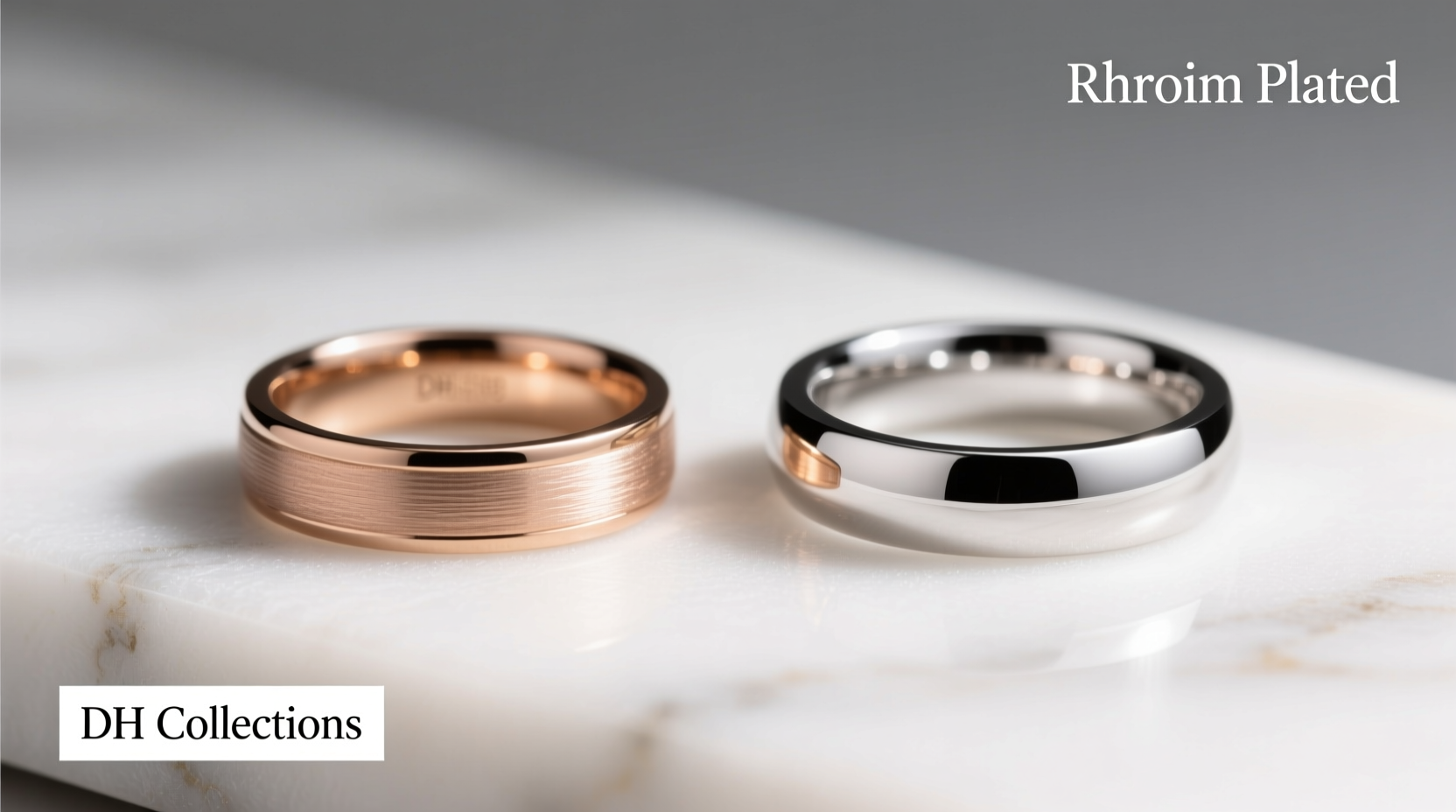
DH Collections is known for offering stylish, fashion-forward jewelry at accessible price points. Their rings are typically crafted from base metals such as brass or copper and finished with a protective coating—often silver-toned plating or anti-tarnish layers. These pieces are designed for short-term wear and seasonal trends rather than heirloom quality.
The appeal lies in affordability and variety. You can own multiple designs without breaking the bank. However, because they aren’t made with precious metals or high-end finishes, their lifespan is limited. With regular use, the surface finish may begin to wear off within weeks or months, revealing the underlying metal.
What Makes Rhodium Plating Special?
Rhodium is a rare, silvery-white noble metal from the platinum group. It’s highly reflective, scratch-resistant, and does not tarnish—qualities that make it ideal for plating fine jewelry. Rhodium plating is commonly applied over white gold, silver, or other base metals to enhance luster and protect against corrosion.
Unlike standard silver plating, rhodium provides a deeper shine and greater durability. It also gives jewelry a hypoallergenic surface, which benefits those sensitive to nickel or copper. Because of its density and resistance to oxidation, rhodium-plated rings maintain their brilliance longer, even under daily wear.
“Rhodium plating adds both aesthetic polish and functional protection. It’s one of the best upgrades you can make for lasting shine.” — Marcus Tran, Master Jeweler & Studio Owner, NYC
Comparing Key Factors: A Side-by-Side Analysis
| Feature | DH Collections Ring | Rhodium Plated Ring |
|---|---|---|
| Base Material | Brass/Copper with thin plating | Silver, White Gold, or Brass with thick rhodium layer |
| Shine & Luster | Moderate; fades quickly | Highly reflective; lasts longer |
| Durability | Low to moderate | High (resists scratches and tarnish) |
| Hypoallergenic? | Rarely; may cause skin reactions | Yes, when properly plated |
| Lifespan | 3–12 months with regular use | 2–5 years (with re-plating every 1–2 years) |
| Cost | $10–$40 | $80–$300+ depending on base metal |
| Maintenance | Minimal but frequent replacement needed | Occasional professional re-plating recommended |
Real-Life Example: Sarah’s Jewelry Dilemma
Sarah, a 29-year-old marketing executive, loved wearing statement rings to client meetings. She initially bought three trendy designs from DH Collections for under $30 each. Within two months, two of them began flaking, turning her fingers green, and losing their shine. Embarrassed during a presentation, she switched to a single rhodium-plated sterling silver ring costing $120.
Two years later, the ring still looks nearly new after one re-plating session ($25). “I used to replace cheap rings monthly,” she says. “Now I have one piece I trust every day. The upgrade paid for itself in less than a year.”
Is the Upgrade Worth It? Breaking Down the Value
The answer depends on your usage patterns and expectations.
If you're looking for temporary accessories for photoshoots, vacations, or occasional wear, DH Collections offers excellent short-term value. But if you want a ring you can rely on daily—one that stays bright, resists damage, and won’t irritate your skin—the rhodium-plated option delivers superior long-term return.
Consider this: replacing a $30 DH ring four times a year totals $120 annually—equal to the upfront cost of a quality rhodium-plated piece. And unlike the disposable alternatives, the plated ring retains structural integrity and can be refreshed affordably through re-plating.
Step-by-Step Guide to Maximizing Ring Longevity
- Remove During Harsh Activities: Take off your ring before swimming, cleaning, or exercising to prevent chemical exposure and physical abrasion.
- Clean Gently Weekly: Use a soft cloth dampened with warm water and mild soap. Dry thoroughly.
- Store Separately: Keep rings in individual pouches or compartments to avoid scratching.
- Avoid Moisture Build-Up: Don’t leave rings in humid bathrooms; store them in a dry, cool place.
- Schedule Re-Plating: Every 12–18 months, visit a jeweler for rhodium touch-ups to restore shine.
Checklist: Choosing the Right Ring for Your Lifestyle
- ☐ Define how often you’ll wear the ring (daily, weekly, occasionally)
- ☐ Check for metal sensitivity—opt for rhodium if prone to reactions
- ☐ Assess your budget over 12 months, not just initial cost
- ☐ Prioritize craftsmanship over design complexity
- ☐ Confirm whether the seller offers re-plating services or warranties
- ☐ Research customer reviews focused on long-term durability
Frequently Asked Questions
Can I re-plate a DH Collections ring?
Technically yes, but it’s rarely practical. The base metal is often porous or poorly prepared for adhesion, leading to uneven results. Given the low original cost, investing in re-plating (typically $20–$50) usually doesn’t make financial sense.
Does rhodium plating wear off?
Yes, but slowly. With daily wear, expect to re-plate every 1–2 years. Areas with friction (like inner band edges) show wear first. Proper care extends the interval between treatments.
Are rhodium-plated rings considered real jewelry?
Yes. While the plating itself is a surface enhancement, many fine jewelry brands use rhodium over solid silver or white gold. The key is knowing what lies beneath the plating—solid metal makes it a legitimate investment piece.
Final Verdict: When to Upgrade and Why
The upgrade from a DH Collections ring to a rhodium-plated alternative isn’t about status—it’s about sustainability, comfort, and consistency. For everyday wear, especially engagement bands, wedding rings, or professional settings, rhodium plating offers noticeable advantages in appearance and resilience.
That said, there’s room for both in your collection. Use affordable pieces for bold, experimental styles. Reserve rhodium-plated rings for staples you depend on. Over time, you’ll spend less, enjoy better aesthetics, and reduce frustration caused by deteriorating finishes.




 浙公网安备
33010002000092号
浙公网安备
33010002000092号 浙B2-20120091-4
Comments
No comments yet. Why don't you start the discussion?