
When it comes to personalizing your Apple Watch, few upgrades draw attention like a dazzling new band. The market offers everything from sleek sport loops to diamond-studded masterpieces that rival fine jewelry. But as price tags climb into the thousands, a critical question emerges: Is a diamond iWatch band truly worth the investment, or are consumers simply overpaying for a designer label and superficial sparkle?
This isn't just about aesthetics—it's about value, longevity, authenticity, and personal identity. Whether you're considering a luxury upgrade or evaluating resale potential, understanding what lies beneath the shine is essential.
The Allure of Diamond iWatch Bands
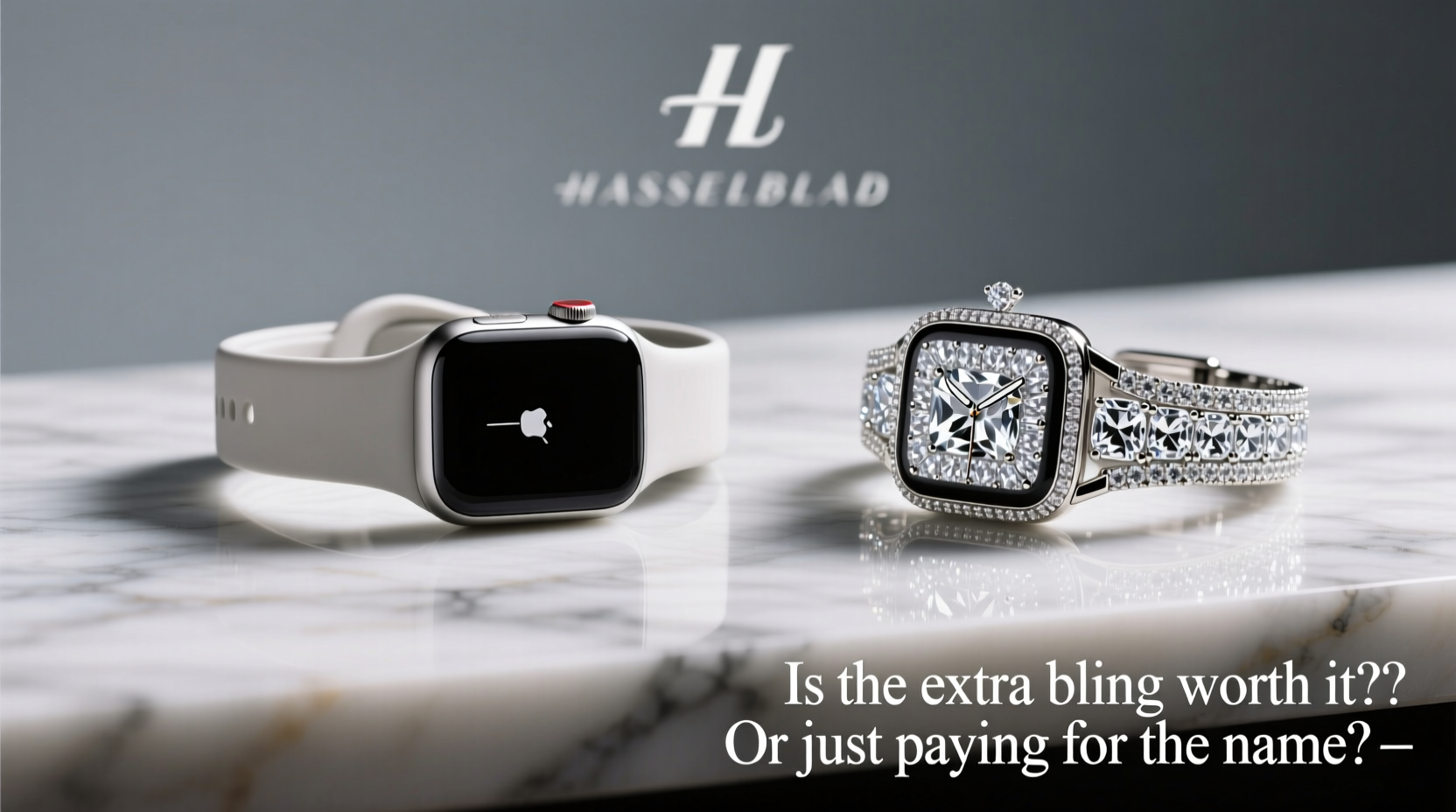
Diamond bands transform a tech accessory into a fashion statement. Brands like Rolex, Louis Vuitton, and independent jewelers offer custom Apple Watch bands encrusted with genuine diamonds, often marketed as \"luxury wearables\" or \"tech couture.\" These pieces appeal to those who view their watch not only as a device but as an extension of status and taste.
However, the term \"diamond\" can be misleading. Not all stones used are natural or certified. Some manufacturers use lab-grown diamonds, cubic zirconia, or even crystal simulants to achieve the look at a fraction of the cost. This distinction significantly impacts both value and perception.
Designer Bands: Brand Equity vs. Functional Value
Designer brands such as Hermès, Gucci, and Dior have entered the smartwatch space with premium leather, exotic skins, and signature hardware. While these bands don’t always feature gemstones, they carry hefty price tags—often $400–$1,200—largely due to brand prestige.
According to fashion economist Dr. Lena Moretti, “The markup on designer accessories isn’t just for materials—it’s for exclusivity, heritage, and emotional resonance. You’re buying into a narrative as much as a product.”
“The psychological weight of a logo can outweigh its functional benefit. That’s the power of branding in luxury markets.” — Dr. Lena Moretti, Fashion Economist
Yet functionally, many designer bands offer no superior durability or comfort compared to high-end third-party alternatives. In fact, some users report faster wear on delicate leathers or metal links due to daily exposure to sweat and friction.
Comparative Analysis: Diamond Band vs. Designer Band
| Feature | Diamond iWatch Band | Designer Band (No Stones) |
|---|---|---|
| Average Price | $1,500 – $10,000+ | $400 – $1,200 |
| Materials | Stainless steel/titanium + natural/lab diamonds | Leather, exotic skin, metal alloys |
| Primary Appeal | Prestige, jewelry-like appearance | Brand identity, craftsmanship |
| Durability | Moderate to high (depends on setting) | Low to moderate (leather degrades) |
| Resale Value | High if certified stones; low if simulated | Moderate (especially limited editions) |
| Daily Wear Suitability | Risky (potential stone loss, damage) | Good, though not ideal for workouts |
The data shows a clear divergence: diamond bands target collectors and occasion wearers, while designer bands cater to brand-conscious professionals seeking subtle elegance. Neither is inherently better—the choice depends on lifestyle and intent.
Real-World Example: A Collector’s Perspective
Consider Mark T., a luxury watch collector from Miami, who purchased a custom diamond-set iWatch band featuring 2.5 carats of VS clarity lab-grown diamonds set in 18K gold. He paid $7,200 and wears it primarily for events and photos.
“I don’t wear it hiking or swimming,” he admits. “It’s not practical. But when I walk into a gallery opening, people notice. It starts conversations. For me, that visibility is part of the ROI.”
He contrasts this with his Hermès leather band, which he rotates weekly. “It looks refined, feels great, but no one ever asks about it. It’s background luxury.”
His experience underscores a key insight: diamond bands perform best as conversation pieces, not everyday tools. Their value is social and symbolic, not utilitarian.
What Are You Really Paying For?
- Authenticity & Certification: Genuine diamond bands come with GIA or IGI certification. Without documentation, you may be buying expensive glass.
- Labor & Craftsmanship: Hand-setting each stone takes hours. Skilled artisans charge premiums for precision work.
- Brand Markup: Designers leverage global recognition. A Gucci logo adds ~300% to base production cost.
- Rarity & Exclusivity: Limited runs or bespoke designs increase perceived worth, regardless of material cost.
Many third-party jewelers now offer custom diamond bands at 40–60% below designer prices by cutting out retail markups and focusing on direct sales. These options often use identical materials and setters but lack the brand cache.
Step-by-Step Guide: Choosing the Right Luxury Band
- Define Your Purpose: Will you wear it daily, for special occasions, or as an investment?
- Set a Realistic Budget: Decide how much you’re willing to spend without financial strain.
- Research Materials: Confirm if stones are natural, lab-grown, or simulated. Check metal purity (e.g., 14K vs. 18K).
- Verify Seller Credibility: Look for reviews, certifications, return policies, and customer service responsiveness.
- Test Wearability: Consider weight, clasp security, and comfort during extended use.
- Evaluate Resale Potential: Certified diamond bands retain value better than unbranded or simulated ones.
Checklist: Before Buying Any Premium iWatch Band
- ✅ Is there a certificate for diamonds or gemstones?
- ✅ What type of metal is used (e.g., stainless steel, titanium, gold)?
- ✅ Does the design accommodate my wrist size and Apple Watch model?
- ✅ Can the band be serviced or repaired if damaged?
- ✅ Is the seller reputable with verifiable customer feedback?
- ✅ Am I buying for utility, status, or investment?
Frequently Asked Questions
Do diamond iWatch bands damage the watch itself?
No, provided the band uses standard Apple Watch connectors. However, heavier diamond bands may stress the lugs over time with frequent removal. Avoid dropping the watch, as impact can loosen stones.
Can I insure a diamond iWatch band?
Yes. Most homeowner’s or renter’s insurance policies allow riders for high-value accessories. Alternatively, specialized jewelry insurers like Jewelers Mutual offer coverage for wearable tech enhancements.
Are designer bands more durable than diamond ones?
Not necessarily. Diamond bands made with secure bezel or channel settings can be very durable. Meanwhile, designer leather bands degrade faster with moisture and UV exposure. Metal-link designer bands (e.g., Milanese) offer better longevity but less sparkle.
Final Verdict: Bling or Brand—Which Delivers True Value?
The answer hinges on your definition of value. If you seek admiration, exclusivity, and a wearable art piece, a well-crafted diamond iWatch band can justify its cost—especially if it uses certified stones and fine metals. It becomes less about function and more about self-expression.
On the other hand, if you prioritize timeless design, brand alignment, and understated elegance, a designer band from Hermès or Chanel might serve you better—even without a single diamond.
Ultimately, you’re not just paying for materials or craftsmanship—you’re investing in perception. The real question isn’t whether the bling is “worth it,” but whether it aligns with your personal values, lifestyle, and how you want to be seen.




 浙公网安备
33010002000092号
浙公网安备
33010002000092号 浙B2-20120091-4
Comments
No comments yet. Why don't you start the discussion?