
When it comes to statement jewelry, few pieces command attention like a leopard-themed bracelet. Symbolizing power, elegance, and wild sophistication, the diamond leopard bracelet has become a coveted accessory among luxury fashion enthusiasts. But with prices that can soar into the tens of thousands, many are turning to cubic zirconia alternatives. The question remains: Is the authentic sparkle of diamonds truly worth the steep price jump over high-quality cubic zirconia? This in-depth comparison explores craftsmanship, visual appeal, longevity, and emotional value to help you make an informed decision.
The Allure of the Leopard Design
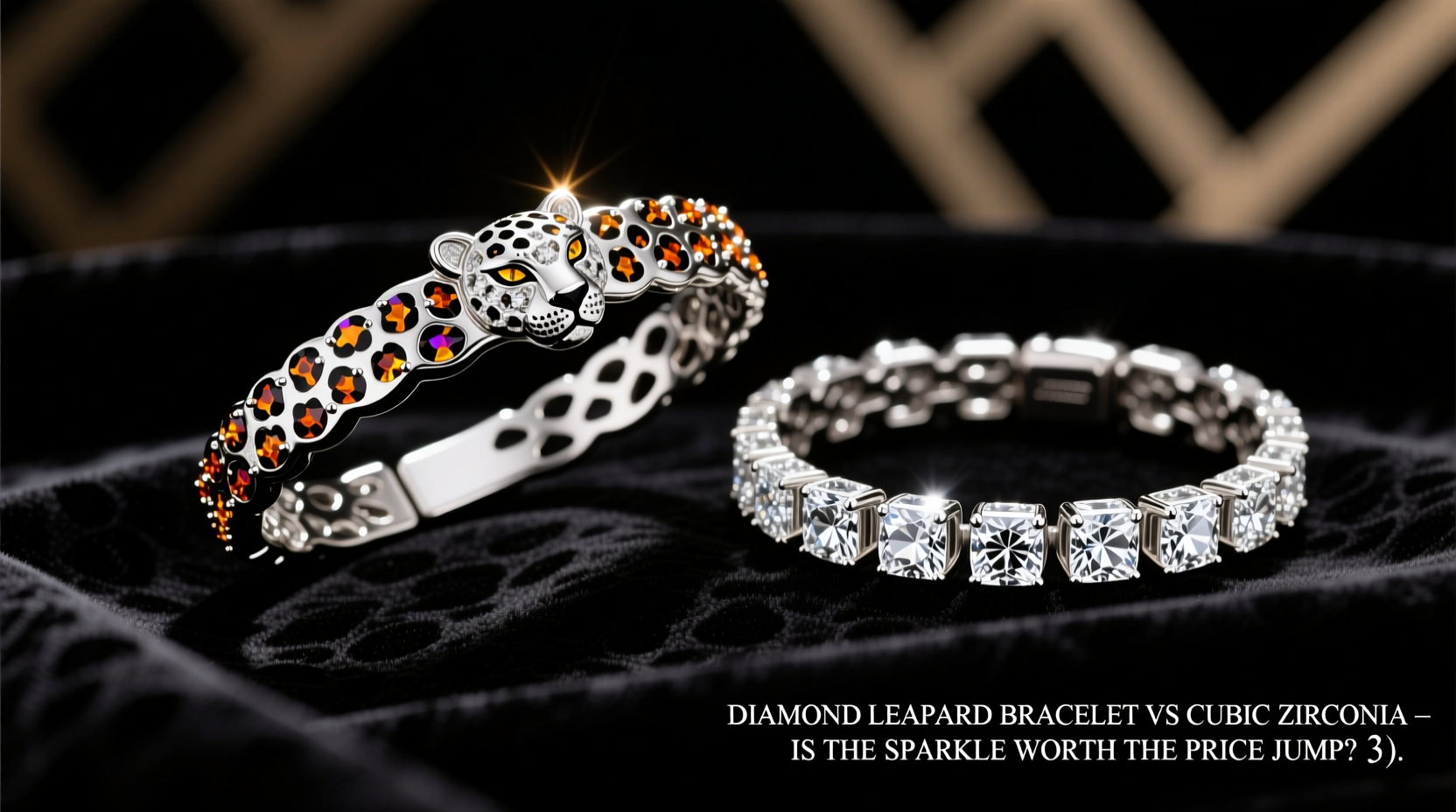
The leopard motif has long been associated with bold femininity and untamed glamour. From vintage Cartier panther bracelets to modern interpretations by independent designers, the animal’s sleek form lends itself perfectly to intricate metalwork and gemstone detailing. Whether rendered in white, yellow, or rose gold, the leopard’s eyes—often set with contrasting stones—are focal points that draw admiration.
What elevates these designs from mere accessories to heirloom pieces is the precision of the sculpting and the quality of materials used. A well-crafted leopard bracelet should feel balanced on the wrist, with fluid lines and lifelike expression. This level of artistry is where material choice becomes critical—not just for appearance, but for structural integrity over time.
Diamonds vs Cubic Zirconia: Breaking Down the Differences
At first glance, a diamond and a cubic zirconia (CZ) may appear nearly identical. Both can dazzle under light, refract brilliance, and enhance any outfit. However, their origins, physical properties, and long-term performance differ significantly.
| Feature | Diamond | Cubic Zirconia |
|---|---|---|
| Composition | Natural carbon crystal formed under extreme heat and pressure | Synthetic crystalline substance made from zirconium dioxide |
| Hardness (Mohs Scale) | 10 (hardest known natural material) | 8–8.5 (softer, more prone to scratches) |
| Brilliance & Fire | High refractive index; subtle, icy sparkle | Higher dispersion; more colorful \"rainbow\" flashes |
| Durability | Extremely resistant to wear and chipping | Can cloud over time; susceptible to surface abrasions |
| Price (approx. 1-carat stone) | $4,000–$12,000+ depending on cut, color, clarity | $20–$50 |
| Lifetime Value | Resale potential; often appreciates as collectible | Minimal resale value; considered costume jewelry |
While cubic zirconia mimics the look of a diamond at a fraction of the cost, it lacks the geological rarity and structural resilience that define true diamonds. Over years of regular wear, CZ stones may lose luster due to micro-scratches and exposure to oils or chemicals—issues far less common with diamonds.
Real-World Performance: A Mini Case Study
Sophia M., a marketing executive based in Los Angeles, purchased two versions of a popular leopard bracelet—one with lab-grown diamonds totaling 2 carats, and another with premium-grade cubic zirconia. She wore each alternately for six months, tracking appearance, maintenance needs, and social feedback.
After three months, she noticed the CZ version had begun to dull slightly around the claw settings, particularly on the leopard’s eyes. Despite weekly cleaning, a faint haze developed, likely from daily contact with hand lotion and sunscreen. In contrast, the diamond-set bracelet retained its original fire and required only occasional polishing.
“People assumed both were real diamonds,” Sophia said. “But when I showed them side by side under store lighting, the difference was obvious. The CZ sparkled too much—like a disco ball. The diamonds had depth, almost a quiet glow.”
This case illustrates a key point: while CZ performs well initially, long-term wear reveals limitations in optical subtlety and surface retention.
Expert Insight: What Jewelers Say About Material Choice
“The emotional investment in fine jewelry often outweighs pure aesthetics. A diamond leopard bracelet isn’t just worn—it’s inherited, gifted, celebrated. That narrative matters.” — Rafael Nguyen, Master Gemologist & Designer at Lumina Atelier
“Cubic zirconia has improved dramatically, but it still can’t replicate the thermal conductivity and density of a real diamond. Even trained eyes might be fooled briefly, but under magnification or prolonged observation, the truth emerges.” — Dr. Elena Torres, GIA-Certified Appraiser
Experts agree that while CZ offers accessibility, it doesn’t provide the same assurance of permanence. For collectors or those seeking symbolic meaning—a milestone gift, self-purchase after achievement, or family heirloom—diamonds carry unmatched weight.
Cost Analysis: Is the Price Jump Justified?
A high-end diamond leopard bracelet can range from $15,000 to over $50,000, depending on karat weight, gold type, and brand. Meanwhile, a comparable CZ design typically costs between $300 and $1,200. That’s a 90%+ reduction in upfront cost.
However, consider this: if worn regularly, a CZ bracelet may need replacement every 3–5 years due to wear. Over a decade, that could mean spending $2,400–$4,000 on replacements—still less than a single diamond piece, but without accumulating equity.
In contrast, a well-maintained diamond bracelet can last generations. Insurance appraisals often confirm that such pieces retain or increase in value, especially if crafted by renowned houses or featuring rare design elements.
Checklist: Choosing the Right Option for You
- ✅ Define your purpose: Is this for everyday wear, special occasions, or as an heirloom?
- ✅ Assess your budget: Can you afford not just purchase, but potential insurance and maintenance?
- ✅ Consider lifestyle: Do you work with your hands, swim frequently, or expose jewelry to chemicals?
- ✅ Evaluate craftsmanship: Are settings secure? Is metal thickness sufficient?
- ✅ Think long-term: Will you want this piece in 10 years? Could it be passed down?
Frequently Asked Questions
Can you tell the difference between a diamond and cubic zirconia leopard bracelet?
Yes, especially under natural light. Diamonds exhibit a more subdued, white-gray sparkle with excellent light return. Cubic zirconia tends to show excessive rainbow flashes (dispersion), which can look unnatural. Also, diamonds remain cooler to the touch and resist fogging when breathed on—unlike CZ.
Are lab-grown diamonds a better alternative to cubic zirconia?
Absolutely. Lab-grown diamonds share the same chemical, physical, and optical properties as mined diamonds. They’re graded using the same standards (cut, color, clarity, carat) and offer genuine sparkle and durability—at roughly 30% of the cost of natural diamonds. Unlike CZ, they won’t scratch or cloud easily.
How do I care for a diamond leopard bracelet?
Clean it monthly with a soft brush and mild soapy water. Have it professionally inspected annually for loose prongs or wear. Store separately in a padded box to prevent scratching other jewelry. Avoid wearing it during exercise, gardening, or swimming.
Final Verdict: Sparkle With Purpose
The choice between a diamond leopard bracelet and a cubic zirconia version ultimately hinges on intention. If you seek a temporary accent for photoshoots or events, CZ delivers impressive visual impact at minimal risk. It’s ideal for fashion experimentation without financial commitment.
But if you desire a piece that embodies legacy, confidence, and enduring beauty, the diamond version justifies its premium. Its restrained brilliance speaks of refinement rather than flash. It withstands time, trends, and touch—remaining radiant through life’s milestones.
The “price jump” isn’t merely about stones and metal. It’s about investing in something that lasts beyond a season, something that carries story and significance. When you wear a diamond leopard bracelet, you’re not just accessorizing—you’re declaring presence.




 浙公网安备
33010002000092号
浙公网安备
33010002000092号 浙B2-20120091-4
Comments
No comments yet. Why don't you start the discussion?