
In recent years, a quiet revolution has taken place in bathrooms across homes in North America, Europe, and Asia. The once-ubiquitous PVC bath mat—long praised for its affordability and variety of colors—is being replaced by a natural alternative: diatom mud mats. These earth-toned, textured mats may look like stone slabs at first glance, but they’re functional, sustainable, and scientifically effective at managing moisture and bacteria. So why is everyone making the switch? It’s not just about aesthetics—it’s about health, sustainability, and long-term value.
The Hidden Downsides of PVC Bath Mats
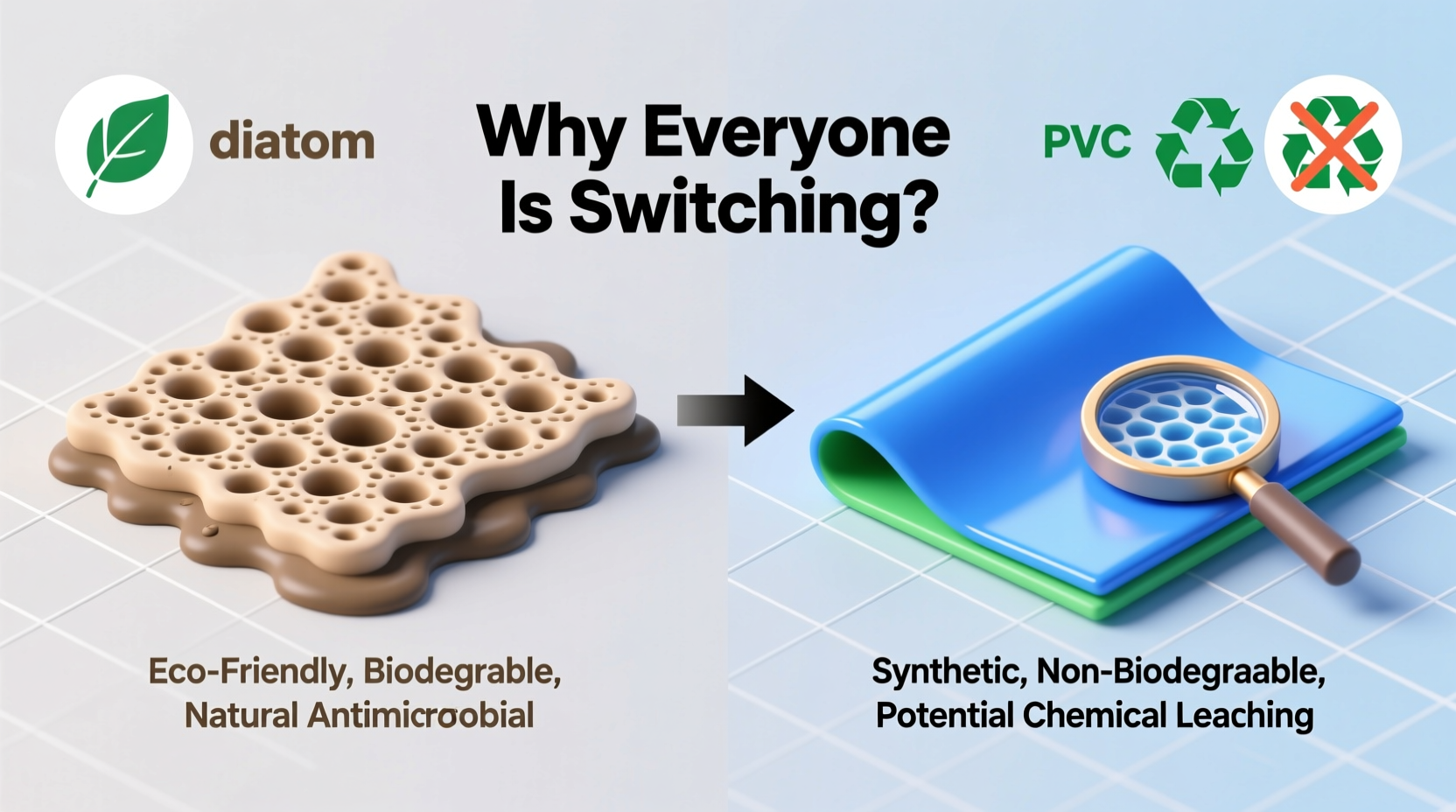
Polyvinyl chloride (PVC) has been a staple material in household items for decades. In bath mats, it offers softness underfoot and comes in countless patterns and textures. But beneath the surface, PVC carries several drawbacks that many consumers are only now beginning to recognize.
- Chemical Off-Gassing: PVC contains plasticizers like phthalates, which can leach into the air over time, especially in warm, humid environments like bathrooms.
- Mold and Mildew Traps: Despite claims of water resistance, most PVC mats have fabric backing or textured surfaces that trap moisture, creating ideal conditions for mold growth.
- Slip Hazards: When wet, PVC mats often become slick, particularly on smooth tile or stone flooring, increasing fall risks.
- Short Lifespan: Most PVC mats degrade within 6–12 months, developing cracks, peeling layers, or unpleasant odors.
- Environmental Impact: PVC is not biodegradable and is difficult to recycle, contributing to landfill waste.
What Is Diatom Mud and How Does It Work?
Diatom mud mats are made from fossilized remains of diatoms—microscopic algae with porous silica shells. Mined primarily in Japan, China, and parts of Eastern Europe, this natural sedimentary rock is compressed into lightweight, durable mats without synthetic binders.
The secret lies in its structure. Diatomite has an incredibly high porosity—up to 90% microscopic pores—which allows it to absorb moisture rapidly and evaporate it just as quickly. Unlike fabric or rubber mats that hold water on the surface, diatom mud pulls moisture into its core and disperses it into the air through capillary action.
This process happens passively, requiring no electricity or maintenance. Once placed in a well-ventilated area, a diatom mud mat dries completely within 15–30 minutes after use, preventing bacterial and fungal growth.
“Diatomaceous materials have been used in filtration and moisture control for over a century. Their application in home wellness products is a logical evolution.” — Dr. Lena Park, Environmental Health Scientist, Kyoto University
Head-to-Head Comparison: Diatom Mud vs PVC
| Feature | Diatom Mud Mat | PVC Mat |
|---|---|---|
| Material Source | Natural diatomite (fossilized algae) | Synthetic plastic (petrochemical-based) |
| Water Absorption | High – absorbs up to 3x its weight | Low – surface absorption only |
| Drying Time | 15–30 minutes | Several hours to days |
| Antibacterial Properties | Naturally inhibits mold and bacteria | Requires chemical treatments; prone to mildew |
| Lifespan | 3–5+ years with proper care | 6–12 months average |
| Eco-Friendliness | Biodegradable, non-toxic, recyclable | Non-biodegradable, hard to recycle |
| Slip Resistance (when wet) | Excellent – textured surface improves grip | Poor – becomes slippery when wet |
| Care Requirements | Rinse monthly, air dry | Machine wash recommended; prone to odor retention |
Real-World Example: A Family’s Switch to Diatom Mud
The Thompson family in Portland, Oregon, had long struggled with bathroom hygiene. With two young children and an elderly grandmother visiting frequently, their PVC bath mat was constantly damp, developed a persistent mildew smell, and once caused a minor slip incident.
After researching alternatives, they invested in a diatom mud mat shaped like a river stone pathway. Within days, they noticed the floor stayed drier, the air smelled fresher, and the mat never retained water. After six months, they reported no signs of wear, and the grandmother felt more confident stepping out of the shower.
“It’s not flashy,” said Sarah Thompson, “but it solves problems we didn’t even know we had.”
How to Choose and Care for a Diatom Mud Mat
Selecting the right diatom mud mat involves more than just picking a shape or color. Consider these factors before purchasing:
- Thickness: Opt for mats between 0.8–1.2 inches thick for optimal durability and comfort.
- Surface Texture: Look for a slightly rough, non-slip finish. Some brands offer grooved or pebble-like designs for enhanced foot stimulation.
- Edge Sealing: High-quality mats have sealed edges to prevent chipping. Avoid unsealed or overly fragile versions.
- Weight: A heavier mat typically indicates denser, higher-grade diatomite.
- Ventilation Needs: Ensure your bathroom has adequate airflow. While diatom mats dry quickly, placing them near a window or exhaust fan maximizes performance.
Maintenance Checklist
- ✅ Rinse with clean water every 1–2 weeks
- ✅ Air dry completely in sunlight or ventilated space
- ✅ Gently brush with a soft bristle brush to remove debris
- ❌ Do not machine wash or submerge for long periods
- ❌ Avoid dropping on hard surfaces (can chip)
- ✅ Re-seal edges annually if manufacturer recommends
Frequently Asked Questions
Are diatom mud mats comfortable to stand on?
Yes—while firmer than plush PVC mats, diatom mud provides gentle foot stimulation similar to walking on smooth pebbles. Many users report improved circulation and reduced foot fatigue over time. For added comfort, choose a mat with contoured or rounded edges.
Can diatom mud mats be used outdoors or in saunas?
Absolutely. Their natural composition makes them ideal for high-humidity environments like saunas, steam rooms, or outdoor showers. Just ensure they are placed where water can drain freely and airflow is sufficient.
Do they really eliminate odors?
Yes. Because diatom mud prevents stagnant moisture—the primary cause of bathroom odors—it naturally reduces mustiness. Unlike fabric mats that trap sweat and soap residue, diatom mats allow organic matter to dry out before bacteria can multiply.
Conclusion: The Smart Shift Toward Natural Bathroom Solutions
The shift from PVC to diatom mud bath mats reflects a broader consumer movement toward healthier, more sustainable living. People aren’t just decorating their bathrooms—they’re rethinking what materials belong in intimate, daily-use spaces. Diatom mud offers a rare combination: superior functionality, minimal environmental impact, and long-term cost savings.
While the upfront price of a diatom mud mat ($40–$90) exceeds that of a basic PVC mat ($10–$20), its longevity and health benefits deliver far greater value. One mat replaces dozens of disposable PVC versions over a lifetime, reducing waste and exposure to harmful chemicals.




 浙公网安备
33010002000092号
浙公网安备
33010002000092号 浙B2-20120091-4
Comments
No comments yet. Why don't you start the discussion?