
Choosing a keychain might seem like a small decision, but it’s one of the few accessories you carry every day. Whether clipped to your keys, backpack, or bag, it reflects something about who you are—or who you want to be. Two popular options stand out in this space: the dice keychain and the lucky charm keychain. One speaks to chance, risk, and play; the other to protection, tradition, and hope. So which one should you actually get?
The answer isn’t just about aesthetics—it’s about values, personality, and what kind of energy you want to carry with you daily. Let’s break down both options with clarity, insight, and real-world context.
Symbols That Speak: What Each Keychain Represents
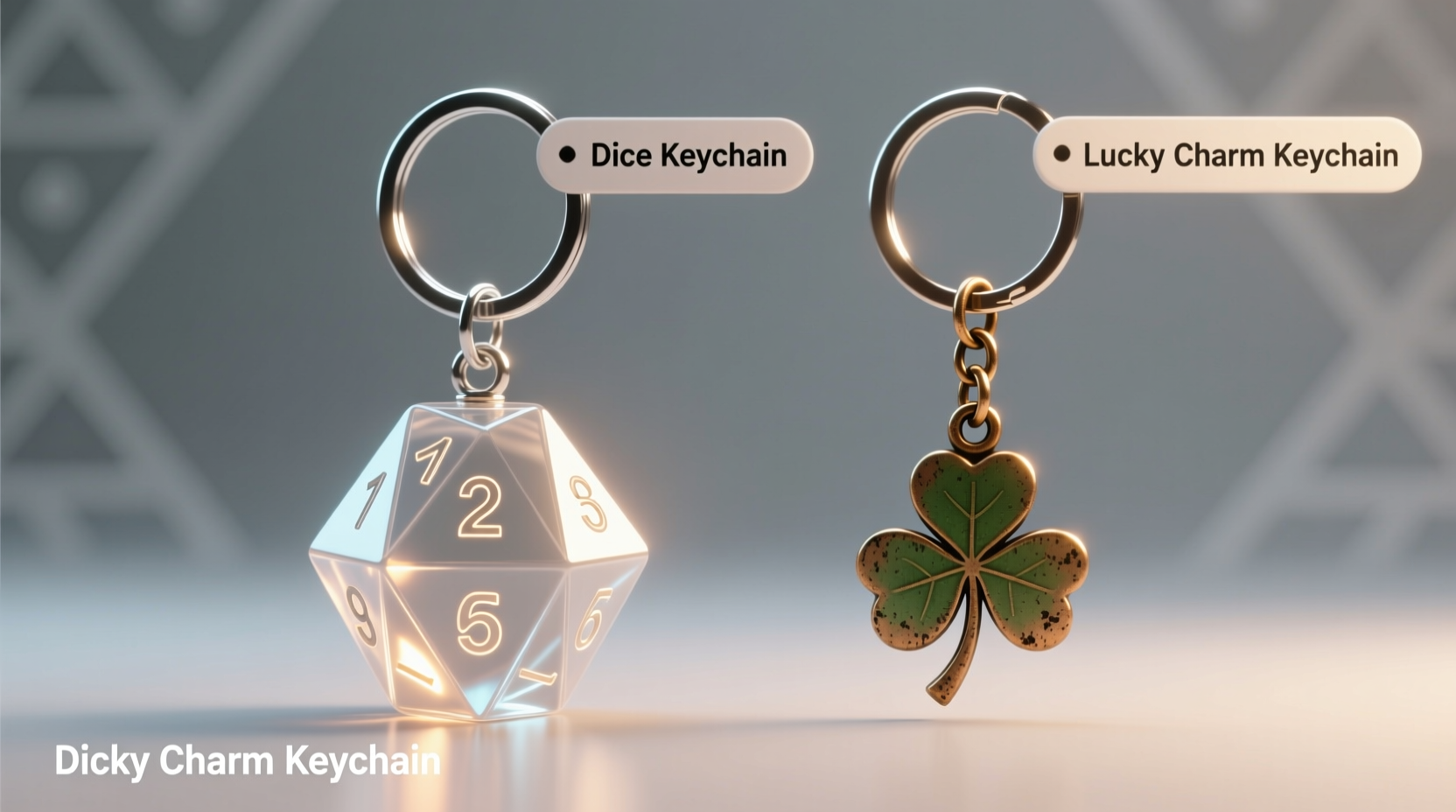
At their core, both the dice keychain and the lucky charm keychain are symbolic objects. They’re not just functional—they’re meaningful.
Dice keychains are rooted in games of chance. Rolling the dice is a metaphor for taking risks, embracing uncertainty, and trusting fate. For many, they represent adventure, boldness, and a playful attitude toward life. Gamers, poker enthusiasts, and those drawn to retro or vintage aesthetics often favor them. The six-sided die, especially when showing a pair of sixes (the “lucky roll”), carries an extra layer of optimism.
Lucky charm keychains, on the other hand, are talismans. They include items like four-leaf clovers, horseshoes, evil eye beads, dreamcatchers, or even tiny rabbits’ feet. These are steeped in folklore and cultural traditions. A lucky charm implies protection, good fortune, and intentionality—carrying a piece of hope with you as you navigate the world.
“Objects we carry can shape our mindset. A symbol of luck or risk can quietly influence how we approach decisions.” — Dr. Lena Torres, Behavioral Psychologist
Style & Design: Aesthetic Appeal and Versatility
Appearance matters, especially when your keychain is visible daily. Both options come in a wide range of materials, finishes, and designs—but they cater to different tastes.
- Dice keychains often feature minimalist geometric shapes, sometimes made from metal, resin, or wood. Many have engraved pips or glow-in-the-dark elements. Their symmetry and clean lines appeal to fans of modern design, geek culture, or urban fashion.
- Lucky charm keychains tend to be more ornate. Think intricate silver clovers, colorful enamel charms, or beaded tassels. They suit bohemian, spiritual, or sentimental styles. Some are handmade or culturally specific, adding authenticity and depth.
If you lean toward sleek, understated accessories, dice may feel more natural. If you enjoy expressive, story-rich pieces, a lucky charm could resonate more.
Functional Comparison: Durability, Weight, and Practicality
Not all keychains are created equal in terms of everyday use. Consider these practical factors:
| Feature | Dice Keychain | Lucky Charm Keychain |
|---|---|---|
| Durability | High – typically solid materials like metal or dense resin | Variable – delicate charms may break if snagged |
| Weight | Medium to heavy (depending on material) | Light to medium (especially fabric or bead-based) |
| Noisiness | Low – solid, quiet when jostled | Higher – chains, bells, or beads can rattle |
| Pocket Friendliness | Good – compact and smooth | Fair – protruding parts may catch on fabric |
| Weather Resistance | Excellent – resistant to moisture and wear | Depends – some materials tarnish or fade outdoors |
Dice keychains generally win in ruggedness and low maintenance. Lucky charms, while beautiful, may require more care—especially if they contain porous stones, fabric, or plated metals.
Real-Life Scenario: Choosing Based on Lifestyle
Meet Jordan, a 29-year-old software developer who commutes by bike and spends weekends at board game cafes. After losing their third keychain this year—one with a fragile dreamcatcher—they decided to switch to a stainless steel dice keychain. “It survived rain, drops, and constant jostling,” Jordan said. “And honestly, rolling doubles feels like a little win every time I unlock my bike.”
Meanwhile, Maria, a teacher and yoga instructor, carries a tiny silver horseshoe charm passed down from her grandmother. “It’s not about superstition,” she explained. “It’s a reminder to stay grounded and open to grace. When I’m stressed before class, I touch it and breathe.”
Their choices reflect deeper priorities: Jordan values resilience and fun; Maria seeks connection and calm. Neither is wrong—their keychains serve different emotional functions.
How to Decide: A Step-by-Step Guide
Still unsure? Follow this simple process to choose the right keychain for you:
- Reflect on your personality. Are you adventurous and spontaneous, or nurturing and cautious? Dice lean toward the former; charms toward the latter.
- Assess your daily routine. Do you bike, work outdoors, or carry heavy bags? Opt for durability—dice may be better. If you mostly walk or drive, a charm can thrive.
- Consider emotional resonance. Does the idea of “rolling the dice” excite you? Or do you find comfort in protective symbols? Trust your gut.
- Think long-term. Will this still feel meaningful in six months? Avoid trends unless they genuinely speak to you.
- Test if possible. Borrow a friend’s dice keychain or wear a temporary charm to see how it feels in practice.
Checklist: Your Keychain Decision-Maker
Before buying, ask yourself:
- ✅ Does this symbol resonate with my current goals or mindset?
- ✅ Is it durable enough for my lifestyle?
- ✅ Does it add visual clutter or noise I’ll grow tired of?
- ✅ Would I be comfortable losing it, or does it have irreplaceable value?
- ✅ Does it reflect something true about me—not just a trend?
Frequently Asked Questions
Can a dice keychain really be “lucky”?
Absolutely—if you believe it is. Luck is often a mindset. Carrying dice doesn’t change odds, but it can reinforce a willingness to take chances and trust outcomes. In psychology, this is called “self-fulfilling behavior”: acting as if you’re lucky can lead to bolder choices and unexpected opportunities.
Are lucky charm keychains cultural appropriation?
It depends on the charm and context. Symbols like the evil eye, dreamcatchers, or hamsa hands have deep roots in specific cultures. Wearing them casually without understanding their meaning can be disrespectful. If you’re drawn to such symbols, research their origins and consider whether your use honors or reduces their significance.
Can I carry both a dice and a lucky charm?
Yes—and many people do. There’s no rule against combining symbols. In fact, pairing a dice keychain with a small clover charm balances risk and protection. It says: “I’m willing to roll the dice, but I’ve also got a little luck on my side.”
Final Thoughts: Choose Meaning Over Trend
In the end, the best keychain isn’t the shiniest or most popular—it’s the one that feels right when you hold it. The dice keychain celebrates agency, chance, and joy in unpredictability. The lucky charm keychain honors tradition, hope, and the human desire for safety in an uncertain world.
You don’t need to believe in fate to appreciate either. You just need to know what kind of message you want to carry with you—one of boldness, or one of belief.
If you’re at a crossroads, go with the dice. If you’re seeking comfort, choose the charm. And if you’re already living the life you want, maybe you don’t need either—because your greatest luck is already in motion.




 浙公网安备
33010002000092号
浙公网安备
33010002000092号 浙B2-20120091-4
Comments
No comments yet. Why don't you start the discussion?