
Keychains have evolved from simple utility items into personal accessories that reflect style, fandom, or sentiment. Among the most popular styles today are dice keychains and beaded keychains. Both offer unique aesthetics and emotional appeal, but they differ significantly in durability, construction, and longevity. As consumers seek accessories that last, understanding which option is trending—and which holds up better over time—becomes essential.
Dice keychains, often associated with tabletop gaming culture, feature miniature polyhedral dice made of resin, metal, or hard plastic. Beaded keychains, on the other hand, typically consist of glass, wood, or acrylic beads strung together with elastic cord or wire. While both have passionate followings, their real-world performance under daily use varies dramatically.
The Rise of Themed Keychains in Pop Culture
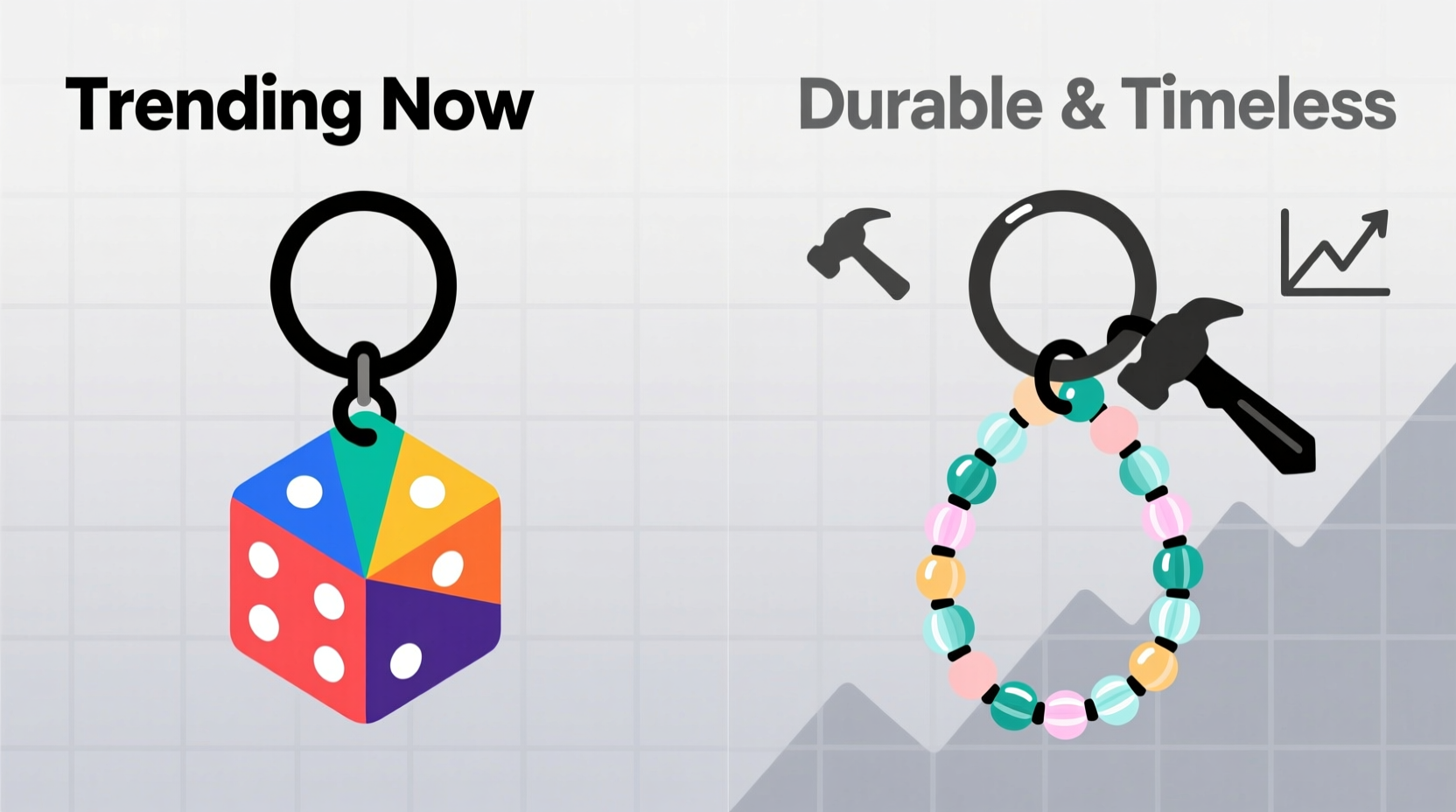
In recent years, niche fashion trends rooted in subcultures have entered mainstream visibility. The resurgence of board games, role-playing games (RPGs), and retro aesthetics has fueled demand for themed accessories like dice keychains. Social media platforms such as TikTok and Instagram have amplified this trend, with users showcasing personalized dice sets and matching keychains.
Beaded keychains, meanwhile, have long been associated with bohemian, spiritual, or craft-based communities. Their handmade nature appeals to those valuing individuality and artisanal design. However, increased mass production has led to a flood of low-cost beaded options, many of which compromise on material quality and structural integrity.
“Accessories tied to identity—whether gamer pride or mindfulness—gain emotional value, but only if they survive daily wear.” — Lena Tran, Product Durability Analyst at Urban Lifestyle Lab
Construction & Materials: What Makes One Last Longer?
Durability begins with materials and assembly. Dice keychains typically use solid components: each die is a single molded piece, attached via a metal split ring or jump ring. Common materials include:
- Resin – High-gloss finish, scratch-resistant, UV-stable
- Metal alloys – Heavyweight, extremely durable, but pricier
- Hard plastic – Lightweight and affordable, though prone to chipping if dropped
In contrast, beaded keychains rely on stringing methods. Even high-quality versions use cords (elastic, nylon, or wire) threaded through small holes in beads. Over time, friction, stretching, and impact can weaken these connections. Glass beads may crack; wooden beads absorb moisture and swell; cheap acrylic can become brittle.
Comparison Table: Dice vs Beaded Keychains
| Feature | Dice Keychains | Beaded Keychains |
|---|---|---|
| Core Material | Resin, metal, hard plastic | Glass, wood, acrylic, clay |
| Attachment Method | Metal rings, soldered links | Cord, knot, glue |
| Durability | High – resistant to drops, weather, friction | Low to moderate – cord wears, beads chip |
| Lifespan (Average) | 3–7 years with regular use | 6 months to 2 years |
| Trend Relevance (2024) | High – boosted by gaming culture | Moderate – seasonal boho trends |
| Repair Potential | Limited but rarely needed | Possible, but often impractical |
| Cost Range | $8–$40 (premium metal sets higher) | $5–$25 (handmade up to $50+) |
Real-World Case: Two Years of Daily Use
Consider Sarah, a graphic designer who uses her keychain daily. She owns two: a resin D20 dice keychain from a local game shop and a glass-bead keychain gifted by a friend. After two years:
- The dice keychain shows minor surface scratches but remains fully intact. The metal ring connecting it to her keys is still tight, and the die rotates smoothly.
- The beaded keychain, while still beautiful, has frayed cord near the clasp. One bead cracked after being dropped on tile. She re-strung it once after nine months, but now avoids using it regularly due to fear of losing more beads.
This example illustrates a common pattern: decorative complexity often sacrifices practical resilience. While the beaded piece carries sentimental value, its fragility limits functional use.
Why Dice Keychains Are Trending Now
Several cultural and commercial factors explain the surge in dice keychain popularity:
- Gaming Goes Mainstream: Dungeons & Dragons and similar games are no longer niche. Celebrities, podcasts, and streaming shows have normalized RPGs, making dice symbols fashionable.
- Customization Options: Many brands offer personalized dice with names, zodiac signs, or favorite colors embedded in resin. This drives repeat purchases.
- Social Media Appeal: Dice keychains photograph well under light, showing off glitter, metallic flecks, or translucent layers—ideal for visual platforms.
- Perceived Value: Consumers feel they’re buying a “real” object rather than a fragile ornament.
In contrast, beaded keychains struggle to maintain relevance outside specific niches. While handmade versions remain cherished, mass-produced imitations often lack quality control, leading to consumer skepticism.
Care Tips to Extend Lifespan of Any Keychain
No accessory lasts forever, but proper maintenance significantly delays failure. These steps apply to both types—but are especially critical for beaded designs:
- Avoid Water Exposure: Moisture weakens adhesives and stretches cords. Remove during swimming, washing hands, or rainy commutes.
- Rotate Usage: Don’t rely on one keychain daily. Rotate between two or three to reduce wear.
- Check Connections Monthly: Inspect rings, knots, and clasps. Tighten loose jump rings with pliers if possible.
- Store Separately: Keep in a small pouch to prevent scratching or tangling.
- Clean Gently: Wipe dice with a microfiber cloth; avoid soaking beaded chains. Never use alcohol or abrasive cleaners.
Expert Insight: Structural Integrity Matters Most
Dr. Marcus Lin, a materials engineer specializing in consumer accessories, emphasizes that failure usually occurs at connection points—not the main body.
“The weakest link in any multi-component accessory is the junction. Dice keychains win because they minimize junctions: one solid piece + one metal ring. Beaded chains have dozens of stress points per inch. Physics favors simplicity.” — Dr. Marcus Lin, Materials Engineer, Northeast Design Institute
This principle explains why even expensive beaded keychains degrade faster. More components mean more opportunities for failure—especially when subjected to constant jostling in pockets or bags.
FAQ: Common Questions Answered
Are dice keychains only for gamers?
No. While inspired by gaming culture, modern dice keychains come in minimalist, jewelry-grade designs suitable for everyday wear. Some resemble luxury charms more than game pieces.
Can beaded keychains be made durable?
Yes, but with limitations. Beads strung on braided steel wire or reinforced with crimp beads last longer. Artisans using professional tools and materials can create pieces lasting 3+ years with careful use. However, they still can't match the drop resistance of solid dice.
Which type holds resale or collectible value?
Limited-edition dice keychains—especially those made from metal or glow-in-the-dark resin—often gain collector interest. Beaded keychains rarely appreciate unless crafted by renowned artisans or tied to cultural heritage (e.g., mala prayer beads).
Final Verdict: Which Should You Choose?
If trend relevance and longevity are priorities, dice keychains are the clear winner. They combine cultural momentum with robust construction, making them both stylish and practical. Their solid build resists breaking, fading, or unraveling—common issues with beaded alternatives.
Beaded keychains retain charm and artistic value, particularly as gifts or symbolic tokens. But for daily utility, they require more caution and maintenance. Unless you're committed to rotating and caring for delicate items, they’re better suited as occasional accessories.
Conclusion & Call to Action
Choosing between dice and beaded keychains isn’t just about aesthetics—it’s a decision between enduring function and fleeting beauty. In a world where fast fashion dominates, opting for well-made, resilient accessories sends a message of intentionality. Dice keychains, backed by strong materials and rising cultural relevance, offer a smarter long-term investment.




 浙公网安备
33010002000092号
浙公网安备
33010002000092号 浙B2-20120091-4
Comments
No comments yet. Why don't you start the discussion?