
Diced peppers are a kitchen staple that bring color, crunch, and complexity to countless dishes. Whether you're preparing a weekday stir-fry or crafting a gourmet sauce, understanding how to properly prepare and use diced peppers can elevate your cooking from ordinary to exceptional. Their versatility spans cuisines, heat levels, and applications—raw, roasted, sautéed, or preserved. This guide provides professional insights into selecting, prepping, storing, and using diced peppers effectively, ensuring optimal flavor, texture, and shelf life in every application.
Definition & Overview
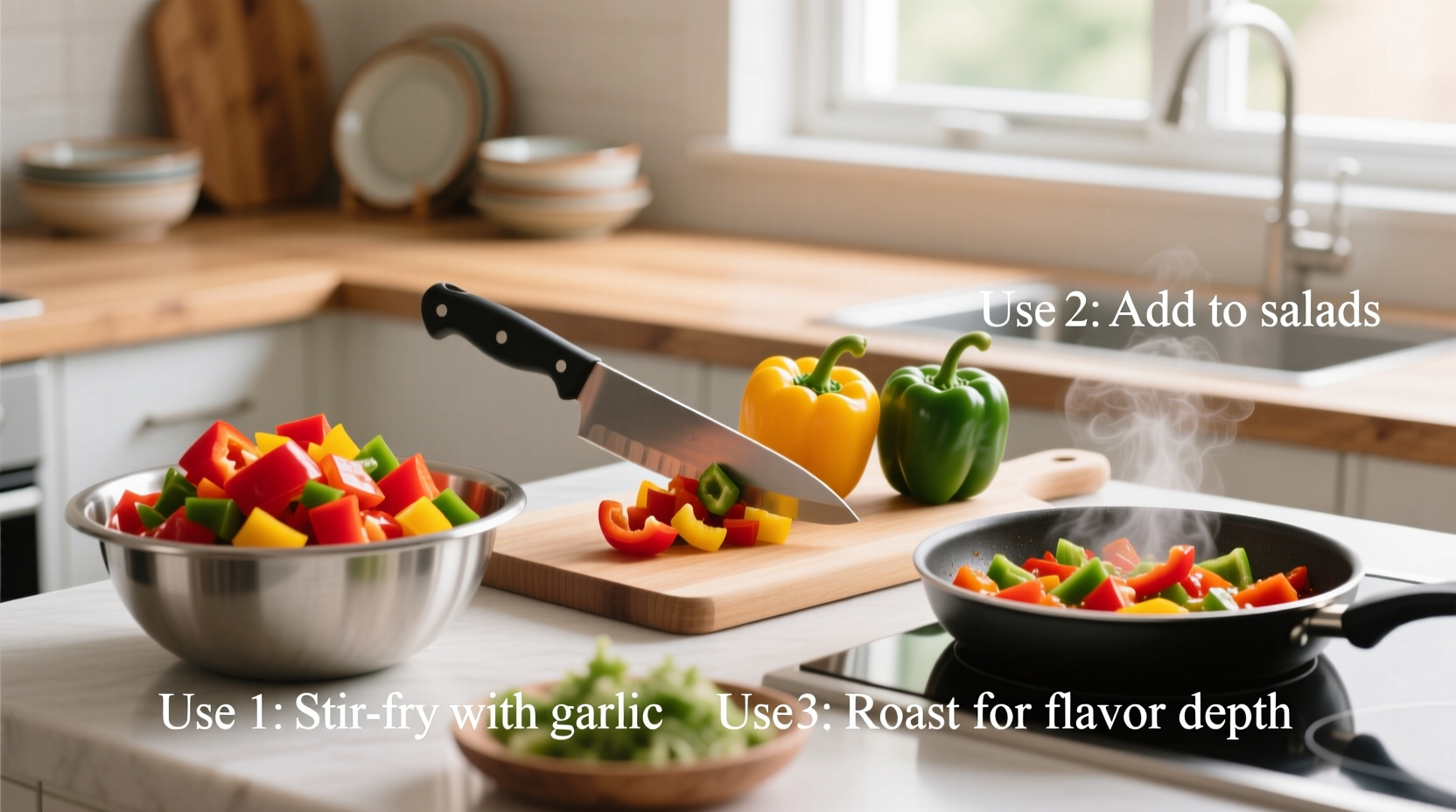
Peppers, botanically classified as Capsicum annuum, are members of the nightshade family and are widely cultivated for culinary use across the globe. When diced, they refer to fresh or processed peppers cut into small, uniform cubes—typically ranging from ¼ to ½ inch in size. While bell peppers are the most commonly diced variety due to their thick walls and mild flavor, chili peppers such as jalapeños, serranos, and poblanos are also frequently diced for heat and depth.
The practice of dicing peppers dates back centuries, particularly in Mesoamerican and Mediterranean cuisines, where they form the base of sofrito, mirepoix, and other foundational mixtures. Today, diced peppers appear in salsas, omelets, grain bowls, soups, casseroles, and even baked goods. Their ability to contribute sweetness, acidity, and spice makes them indispensable in both raw and cooked preparations.
Key Characteristics
Diced peppers vary significantly based on variety, ripeness, and preparation method. The following table outlines core characteristics across common types:
| Type | Flavor Profile | Heat Level (Scoville) | Color/Texture | Best Culinary Use |
|---|---|---|---|---|
| Bell Pepper (Green) | Grassy, slightly bitter | 0 SHU | Firm, crisp, pale green | Sautéing, stuffing, salads |
| Bell Pepper (Red/Yellow/Orange) | Sweet, fruity, floral | 0 SHU | Soft-crisp, vibrant hue | Raw applications, roasting, grilling |
| Jalapeño | Sharp, vegetal, tangy | 2,500–8,000 SHU | Smooth, firm flesh | Salsas, guacamole, pickling |
| Poblano | Earthy, mildly smoky | 1,000–2,000 SHU | Thick-walled, dark green | Chiles rellenos, stews, rajas |
| Serrano | Bright, fiery, clean heat | 10,000–23,000 SHU | Crisp, slender dice | Hot salsas, ceviche, garnishes |
Regardless of type, freshly diced peppers should exhibit firmness, taut skin, and a clean aroma. Overripe or bruised peppers may leak liquid, lose structural integrity during cooking, or develop off-flavors.
Practical Usage: How to Use Diced Peppers in Cooking
Diced peppers serve multiple roles in the kitchen: as aromatic bases, textural components, flavor enhancers, and visual accents. Their application depends on whether they’re used raw, cooked, or preserved.
As Aromatic Foundations
In global cuisines, diced peppers are often part of the \"holy trinity\" or regional flavor bases. In French cuisine, bell peppers join carrots and celery in *mirepoix*, typically diced to ¼-inch cubes for even cooking. In Latin America, onions and peppers form the base of *sofrito*; in Louisiana Creole cooking, the \"holy trinity\" includes green bell pepper, onion, and celery. These mixtures are gently sautéed in fat to release sweetness and build depth in soups, stews, gumbos, and braises.
Pro Tip: For maximum flavor extraction, sweat diced peppers over medium-low heat with a pinch of salt. This draws out moisture slowly, preventing browning while concentrating flavor.
In Raw Applications
Raw diced peppers shine in fresh preparations where their crisp texture and bright flavor are preserved. Examples include:
- Salsas: Combine equal parts diced red bell pepper and tomato with cilantro, lime juice, and minced jalapeño for a colorful pico de gallo variation.
- Salads: Toss finely diced yellow pepper into quinoa or couscous salads for sweetness and crunch.
- Garnishes: Use tiny dice (brunoise) of red pepper to finish tacos, grilled fish, or avocado toast.
- Dips: Fold diced roasted peppers into hummus or goat cheese spreads for complexity.
When using raw peppers, remove seeds and white membranes to avoid bitterness, especially in green bell peppers.
In Cooked Dishes
Heat transforms the chemistry of peppers, softening fibers and enhancing natural sugars. Diced peppers caramelize beautifully when cooked slowly, making them ideal for:
- Stir-fries: Add mid-cook after aromatics but before proteins to retain slight crunch.
- Omelets and frittatas: Pre-sauté diced peppers to eliminate excess moisture and deepen flavor.
- Pasta sauces: Incorporate into marinara or arrabbiata for body and subtle sweetness.
- Grain pilafs: Sauté with rice or farro for a savory foundation.
- Stuffed peppers: Use larger dice in fillings with ground meat, grains, and herbs.
For even cooking, ensure all pieces are uniformly sized. Uneven dicing leads to some pieces turning mushy while others remain undercooked.
Expert Tip: To enhance sweetness in cooked peppers, add a pinch of sugar or splash of balsamic vinegar during sautéing. This promotes caramelization without burning.
Variants & Types of Diced Peppers
Not all diced peppers are created equal. The form and variety you choose depend on availability, recipe needs, and desired flavor intensity.
Fresh vs. Pre-Diced (Packaged)
Fresh: Offers superior texture and flavor. Ideal for raw dishes and high-heat cooking where moisture control is key.
Pre-diced (refrigerated or canned): Convenient but often higher in moisture and lower in freshness. Best suited for soups, stews, or recipes where texture is less critical. Check labels for preservatives like calcium chloride, which maintains firmness but can impart a metallic aftertaste.
Dried & Rehydrated Diced Peppers
Less common but available in specialty markets, dried diced peppers (such as crushed Anaheim or guajillo) must be rehydrated before use. Soak in hot water for 15–20 minutes, then drain and pat dry. These are excellent in mole sauces, spice blends, or as concentrated flavor agents in rubs.
Frozen Diced Peppers
Frozen peppers are typically blanched before freezing, resulting in softer texture upon thawing. They work well in cooked dishes like chili, casseroles, or sauces but should not be used raw. Look for flash-frozen varieties without added salt or seasonings for maximum flexibility.
The following table compares availability and best uses:
| Type | Shelf Life | Texture After Prep | Best Use Case |
|---|---|---|---|
| Fresh Diced (homemade) | 3–5 days refrigerated | Firm, crisp | All applications |
| Pre-Packaged Fresh | Use-by date + 1–2 days | Slightly moist | Cooked dishes, quick meals |
| Frozen Diced | 10–12 months | Soft, watery | Simmered dishes only |
| Dried Diced | 1–2 years | Rehydrated: tender | Concentrated flavor needs |
Comparison with Similar Ingredients
Diced peppers are sometimes confused with other chopped vegetables or spices. Understanding distinctions ensures proper substitution and technique.
Peppers vs. Onions
- Peppers: Sweet, vegetal, low acidity. Add color and volume without overpowering.
- Onions: Pungent, sulfurous when raw, sweet when cooked. Provide deeper background notes.
While both are aromatics, they are not interchangeable in equal measure. Substituting onion for pepper alters both flavor and texture profile.
Peppers vs. Pimentos
Pimentos are a specific cultivar of sweet red pepper, smaller and sweeter than standard bell peppers. Often sold jarred, they have a softer texture and are primarily used in appetizers (e.g., stuffed olives) or cheese spreads. Diced bell peppers can substitute for pimentos in most cases, though the flavor will be less concentrated.
Peppers vs. Chili Flakes or Powder
Dried spice forms deliver heat and color but lack the moisture, crunch, and fresh aroma of diced peppers. For example, 1 tablespoon of diced jalapeño does not equate to 1 teaspoon of jalapeño powder—the latter is more concentrated and lacks textural contribution.
\"Freshly diced peppers offer a dimension of mouthfeel and brightness that powdered chilies simply can’t replicate. They’re not just about heat—they’re about structure and balance.\" — Chef Elena Ruiz, Culinary Instructor, Institute of Latin American Cuisine
Practical Tips & FAQs
How do I dice a pepper properly?
Lay the pepper on its side and slice off the top and bottom. Stand it upright and cut vertically to remove the outer walls from the central core. Flatten each quarter and slice into strips, then rotate and dice crosswise. Use a sharp chef’s knife to avoid crushing the flesh.
Should I remove the seeds and membranes?
Yes, unless you want intense heat. The white pith and seeds contain most of the capsaicin in chili peppers. Even in bell peppers, the pith can be bitter. For uniform appearance and clean flavor, always discard these parts.
How can I reduce the heat of diced chili peppers?
Wear gloves when handling hot peppers. Remove all seeds and inner membranes. Rinse diced pieces under cold water and pat dry. Pair with dairy (yogurt, cheese) or acid (lime juice) to neutralize perceived spiciness.
Can I freeze fresh diced peppers?
Yes. Spread diced peppers in a single layer on a baking sheet, freeze until solid, then transfer to airtight bags. No blanching is needed for bell peppers, but chili peppers benefit from a quick blanch to preserve color. Use within 12 months.
How long do diced peppers last in the fridge?
Freshly diced peppers stored in an airtight container last 3 to 5 days. Pre-packaged versions may degrade faster due to pre-cut oxidation. To extend freshness, place a paper towel in the container to absorb excess moisture.
What are common substitutions for diced peppers?
In cooked dishes, diced zucchini or celery can mimic texture but not flavor. For sweetness, try diced apple in slaws. For heat, use diced shallots with a pinch of cayenne. However, no substitute fully replicates the unique balance of a fresh pepper.
Are colored bell peppers nutritionally different?
Yes. As bell peppers ripen from green to red, their nutrient profile improves significantly. Red peppers contain nearly 11 times more beta-carotene and 1.5 times more vitamin C than green ones. Yellow and orange fall in between. All are rich in antioxidants and fiber.
Storage Checklist:
✔ Store whole peppers in the crisper drawer, unwashed, in a perforated bag.
✔ Once diced, keep in a sealed container with a paper towel.
✔ Label containers with prep date.
✔ Avoid storing near ethylene-producing fruits (apples, bananas), which accelerate spoilage.
Summary & Key Takeaways
Diced peppers are a dynamic ingredient that bridges flavor, texture, and nutrition in everyday cooking. From the foundational role in aromatic bases to their vibrant presence in raw dishes, mastering their use enhances both home and professional kitchens. Key points to remember:
- Uniform dicing ensures even cooking and professional results.
- Bell peppers offer sweetness and crunch; chili peppers add heat and complexity.
- Freshly diced peppers outperform pre-packaged or frozen in most applications, especially raw.
- Proper storage—airtight, dry, and cold—extends usability up to five days.
- Removing seeds and membranes controls bitterness and heat level.
- No direct substitute matches the full sensory profile of fresh diced peppers.
Whether you're building a sofrito, tossing a salad, or spicing a stew, thoughtful use of diced peppers transforms simple ingredients into memorable meals. Keep a variety on hand, practice consistent knife skills, and experiment with color and heat to unlock their full potential.
Next time you reach for a pepper, consider its color, ripeness, and intended use. A few minutes of careful dicing can make the difference between a good dish and a great one.




 浙公网安备
33010002000092号
浙公网安备
33010002000092号 浙B2-20120091-4
Comments
No comments yet. Why don't you start the discussion?