
In the evolving world of video gaming, the debate between digital downloads and physical cartridges continues to shape how players access, collect, and preserve their favorite titles. As we move into 2025, technological advancements, shifting consumer habits, and the rise of retro gaming culture have intensified the conversation around long-term value. While digital formats offer convenience and instant access, physical cartridges—particularly for handheld consoles like the Nintendo Switch—have carved out a niche as collectible assets. This article examines which format is likely to hold greater monetary and cultural value over time, based on market dynamics, preservation challenges, and real-world ownership experiences.
The Rise of Digital Dominance—and Its Hidden Costs
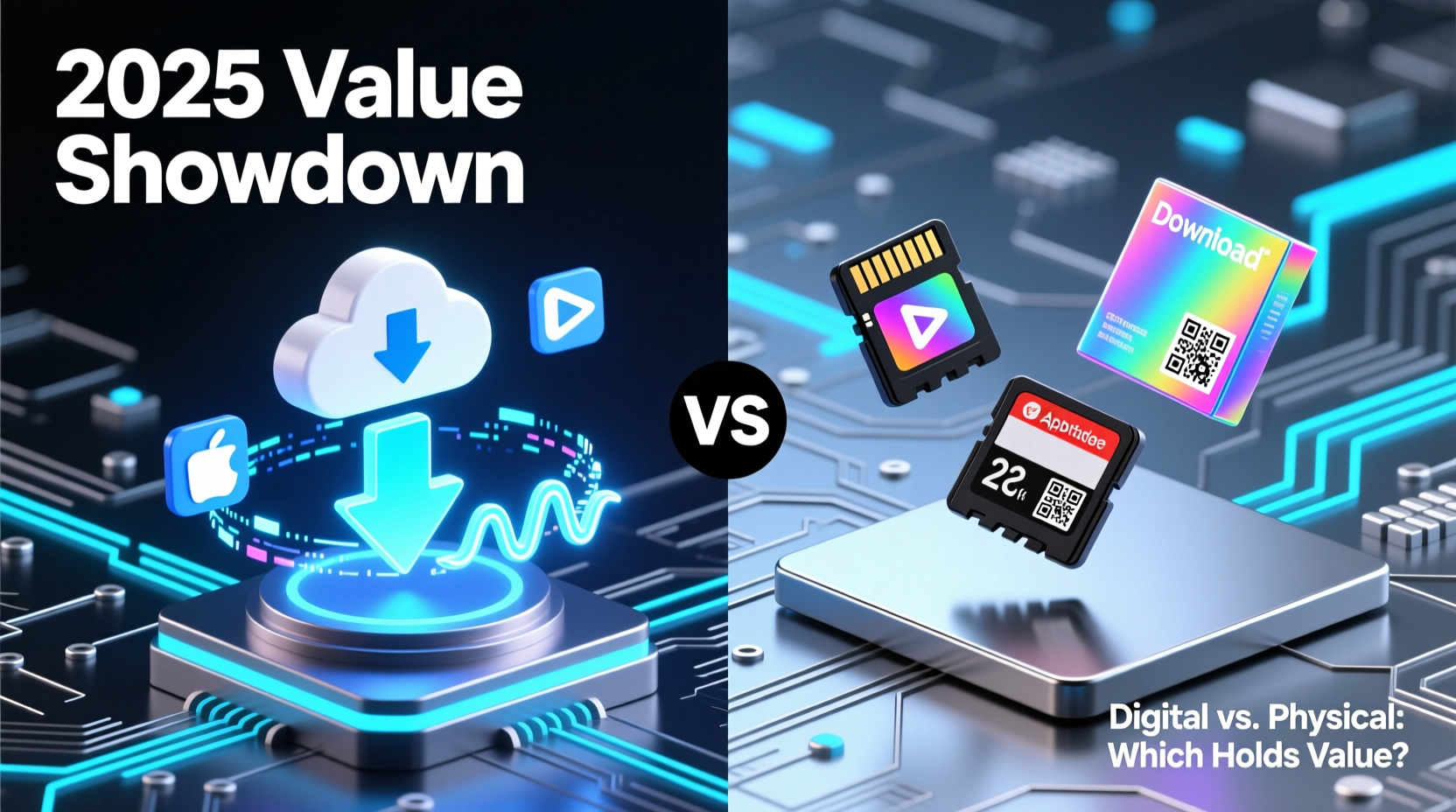
Digital distribution has become the default for many gamers. Platforms like the Nintendo eShop, PlayStation Store, and Xbox Marketplace allow users to download games instantly, eliminating the need for shelf space or disc swaps. The shift accelerated during the pandemic, when supply chain disruptions made physical copies harder to obtain. By 2025, industry reports suggest that over 75% of game sales across major platforms are digital.
However, convenience comes at a cost. Digital purchases are tied to user accounts, not ownership. If a platform shuts down or a service is discontinued, access to purchased content can vanish overnight. Microsoft’s closure of backward-compatible Xbox 360 titles in 2024 left thousands of users unable to re-download games they had legally bought. Similarly, Sony periodically removes titles from the PS3 and PSP stores due to licensing expirations.
Moreover, digital games have no resale value. Once purchased, they cannot be traded, gifted, or sold secondhand. This lack of liquidity makes them poor candidates for long-term asset retention. Gamers may save time, but they sacrifice control and potential future returns.
Why Physical Cartridges Are Gaining Collector Appeal
Contrary to predictions of obsolescence, physical game cartridges—especially for the Nintendo Switch—are experiencing a resurgence in collector interest. Unlike optical discs, which degrade with scratches and UV exposure, cartridges use flash memory and are more durable. Their compact size and resistance to wear make them ideal for long-term storage.
More importantly, cartridges represent tangible ownership. They can be displayed, traded, and resold independently of any online ecosystem. In 2025, rare or limited-run Switch titles like The Legend of Zelda: Breath of the Wild – Deluxe Edition or region-exclusive releases such as Kirby’s Epic Yarn (Japan-only reprint) routinely sell for hundreds of dollars above retail.
“Physical media is no longer just about playing games—it’s about preserving culture,” says Marcus Lin, curator at the Interactive Media Museum in Austin, Texas.
“Cartridges from the NES era are museum pieces today. We’re seeing the same trajectory with modern handheld systems.”
This sentiment is echoed by investors and collectors who now treat sealed or mint-condition Switch games as alternative assets. Limited first-print runs, special packaging, and developer-signed editions have created a secondary market reminiscent of vintage vinyl or trading cards.
Value Comparison: Digital vs. Cartridge Over Time
To understand which format holds value better, consider three key factors: longevity, scarcity, and transferability.
| Factor | Digital Downloads | Physical Cartridges |
|---|---|---|
| Longevity | Dependent on server uptime; risk of delisting | Decades-long lifespan if stored properly |
| Scarcity | No inherent scarcity; infinite digital copies | Limited print runs create rarity |
| Transferability | Non-transferable; locked to account | Freely tradable, gift-able, resalable |
| Collector Demand | None | High for sealed, rare, or special editions |
| Preservation Risk | High (platform dependency) | Low (with proper storage) |
The data shows a clear advantage for physical cartridges in terms of enduring value. While digital games depreciate to zero the moment they’re downloaded, cartridges can appreciate—especially if demand exceeds supply. For example, a sealed copy of Luigi’s Mansion 3 (first printing, 2019) sold for $420 in early 2025, nearly ten times its original MSRP, due to low production numbers and high collector demand.
Real-World Example: The Case of “Tears of the Kingdom” Limited Bundle
In late 2023, Nintendo released a limited-edition bundle of Zelda: Tears of the Kingdom for the Switch OLED, including a gold-trimmed console, themed dock, and numbered cartridge. Only 50,000 units were produced worldwide. Initially priced at $499, the set quickly sold out. By mid-2024, unopened bundles began appearing on auction sites for over $1,200. As of January 2025, verified sealed units trade for $1,800–$2,500 depending on condition and provenance.
Compare this to the digital version of the same game: identical content, same release date, but available for $70 with no added resale premium. Even accounting for inflation or inflation-adjusted pricing, the digital edition will never exceed its purchase price. Meanwhile, the physical bundle continues to gain value as fewer units remain in pristine condition.
This scenario illustrates a broader trend: physical exclusivity drives value. Limited availability, combined with strong brand loyalty and nostalgia, creates upward pressure on prices. Digital versions, by design, cannot replicate this dynamic.
Preservation Challenges and Best Practices
While cartridges have superior long-term potential, they are not immune to degradation. Flash memory can fail over time, especially if exposed to moisture, extreme temperatures, or electromagnetic fields. To maximize value retention, proper care is essential.
Step-by-Step Guide to Preserving Game Cartridges
- Store in a climate-controlled environment: Ideal conditions are 68–72°F (20–22°C) with 40–50% humidity.
- Use anti-static sleeves: Prevent dust and static buildup by storing cartridges in archival-quality poly bags.
- Avoid direct sunlight: UV rays can warp plastic and fade labels.
- Keep away from magnets and electronics: Strong magnetic fields may interfere with internal memory chips.
- Label and catalog your collection: Use spreadsheets or apps like GameVault to track purchase dates, editions, and current market values.
For collectors aiming to build a valuable library, consistency in storage and documentation pays dividends. A well-maintained cartridge from 2025 could be a prized item in 2040—if handled correctly from day one.
Checklist: Maximizing Long-Term Value of Your Game Collection
- ✅ Prioritize physical over digital for games you plan to keep long-term
- ✅ Buy first printings or limited editions when possible
- ✅ Keep original packaging, manuals, and inserts intact
- ✅ Store in a cool, dry place away from light and electronics
- ✅ Regularly monitor resale markets (eBay, DKOldies, Lukie Games) for valuation trends
- ✅ Consider insurance for high-value collections ($1,000+)
- ✅ Avoid modifying or modding cartridges intended for investment
FAQ: Common Questions About Game Format Value
Can digital games ever increase in value?
No—not in the traditional sense. While some digital items (like NFTs or in-game cosmetics) may gain speculative value, standard downloadable games do not appreciate. Their licensing model prevents resale, and there is no scarcity mechanism. Any perceived \"value\" is purely sentimental or functional, not financial.
Are all physical cartridges good investments?
No. Only select titles with limited availability, strong fanbases, or cultural significance tend to appreciate. Mass-produced games like budget re-releases or common digital ports rarely gain value. Focus on first editions, collector’s sets, and games from beloved franchises (Zelda, Mario, Metroid, etc.).
Will cartridges become obsolete as consoles go digital-only?
While newer models like the Switch OLED (digital-only variant) reduce reliance on cartridges, physical media remains popular globally. Regions with poor internet infrastructure still depend on cartridges. Additionally, retro and indie developers continue releasing physical editions through third-party publishers like Limited Run Games. Obsolescence is unlikely before 2030, and collector demand may outlast mainstream usage.
The Verdict: Why Cartridges Win in 2025
When evaluating which format holds value better in 2025, the answer is unequivocal: physical cartridges outperform digital downloads in every meaningful category. They offer true ownership, potential for appreciation, and resilience against technological change. Digital formats, while convenient, function more like rentals than purchases—valuable for access, but worthless as assets.
As gaming becomes increasingly cloud-based and subscription-driven, the appeal of physical ownership grows stronger. Collectors, investors, and nostalgic players are driving demand for tangible media, ensuring that cartridges remain relevant beyond their utility. In fact, some analysts predict that by 2030, the most sought-after modern-era games will command prices comparable to classic NES or Sega Genesis titles.
That said, the optimal strategy isn’t necessarily choosing one format over the other—it’s using both wisely. Use digital for casual play, demos, and time-sensitive releases. Reserve physical purchases for favorites, anniversary editions, or anticipated classics. This hybrid approach balances convenience with long-term value preservation.
“The future of gaming isn’t just about how we play—it’s about what we keep.” — Dr. Lena Tran, Digital Preservation Researcher, MIT Media Lab
Conclusion
As we navigate the landscape of gaming in 2025, the choice between digital downloads and physical cartridges goes beyond preference—it’s a decision about legacy. Digital offers immediacy, but cartridges offer permanence. If you care about preserving your gaming history, building a collection with real-world worth, or leaving behind something tangible, physical media remains the superior choice.




 浙公网安备
33010002000092号
浙公网安备
33010002000092号 浙B2-20120091-4
Comments
No comments yet. Why don't you start the discussion?