
In an age where smartphones buzz with notifications every few minutes, the idea of deleting apps might seem radical—or even impossible. Yet a growing number of people are discovering that removing nonessential apps from their devices leads to tangible reductions in anxiety, improved sleep, and greater emotional resilience. This isn't just anecdotal; research in psychology and behavioral science supports the connection between digital clutter and mental strain. Digital minimalism—the practice of using technology intentionally rather than compulsively—has emerged as a powerful antidote to the constant stimulation of modern life. But can simply deleting apps make a real difference? The answer, backed by both experts and lived experience, is yes.
The Psychology Behind Digital Overload
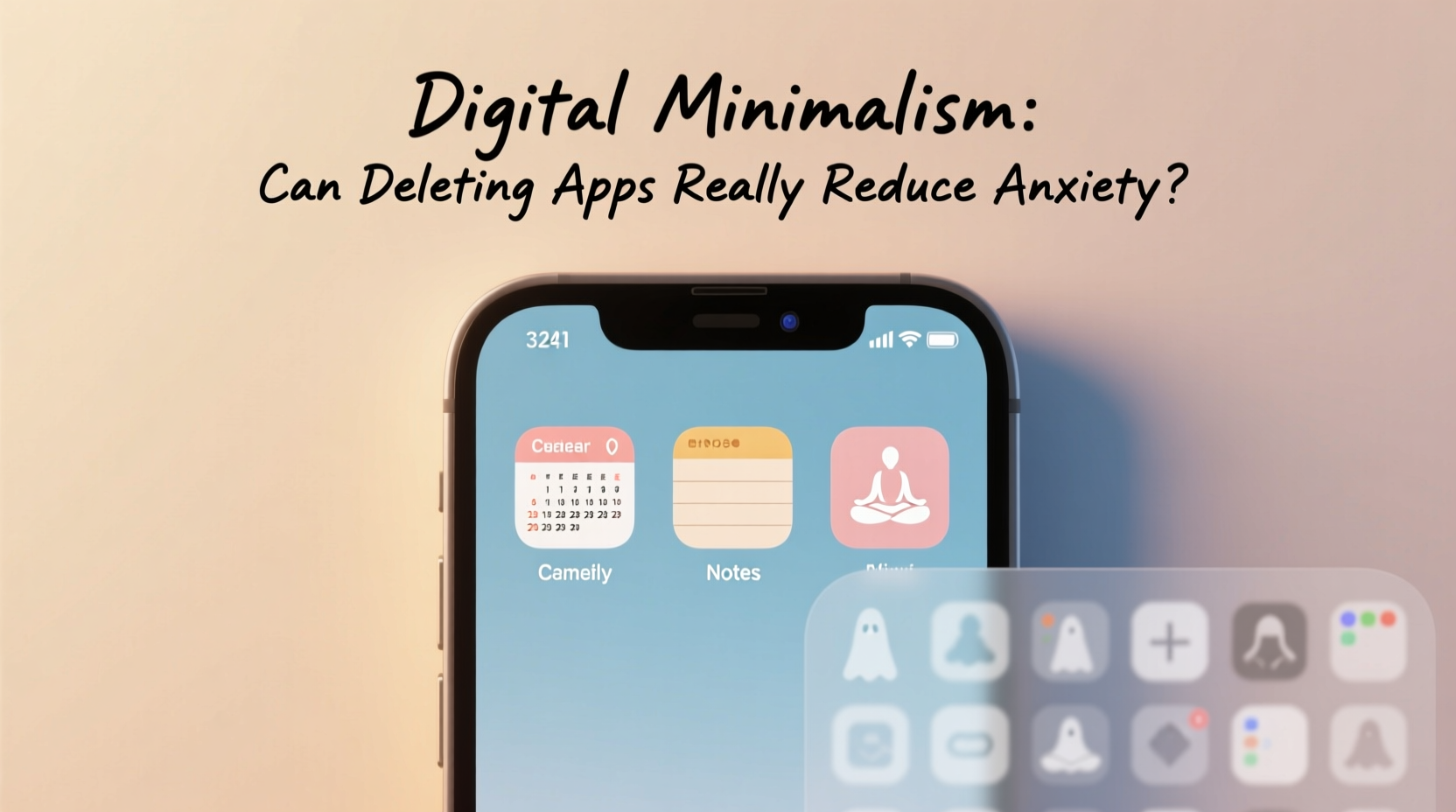
Smartphones were designed to capture attention, not serve it. Social media platforms, news apps, and messaging services rely on psychological triggers such as variable rewards, infinite scrolling, and push notifications to keep users engaged. Each ping activates the brain’s dopamine system, creating a cycle of anticipation and reward that mimics addictive behavior. Over time, this constant engagement trains the mind to expect stimulation, making silence or stillness feel uncomfortable.
Studies have linked excessive screen time with increased levels of cortisol, the body’s primary stress hormone. A 2020 study published in the journal *Computers in Human Behavior* found that participants who reduced their social media use for three weeks reported significantly lower anxiety and depression levels compared to a control group. The researchers concluded that passive consumption of digital content—especially emotionally charged or curated content—contributes to negative self-comparison and rumination, key drivers of anxiety.
“Every time you open an app out of habit rather than purpose, you’re reinforcing a neural pathway that prioritizes distraction over presence.” — Dr. Cal Newport, Computer Science Professor and Author of *Digital Minimalism*
How Deleting Apps Triggers Mental Relief
Deleting apps is more than a cosmetic change—it’s a boundary. When you remove Instagram, TikTok, or even email from your phone, you eliminate the frictionless access that enables mindless scrolling. Without the app icon on your home screen, opening it requires deliberate action: searching the app store, reinstalling, or logging in via a browser. That extra step creates space for intentionality.
This small barrier disrupts automatic behaviors. Instead of reflexively checking Twitter during a quiet moment, you're forced to ask: *Do I really need to do this right now?* That pause allows your prefrontal cortex—the rational decision-making part of the brain—to reassert control over impulsive urges.
Moreover, reducing visual stimuli on your device declutters your cognitive environment. A home screen filled with bright icons and red notification badges acts as a persistent reminder of unfinished tasks, unread messages, and social obligations. Removing these cues reduces what psychologists call “attention residue”—the mental hangover from switching between tasks—which contributes to chronic low-grade stress.
A Step-by-Step Guide to Reducing App-Induced Anxiety
Digital minimalism doesn’t require abandoning technology altogether. It’s about reclaiming agency. Follow this five-step process to systematically reduce app-related anxiety:
- Conduct a Digital Audit: Spend one day tracking every app you open. Note when, why, and how long you use each. Use built-in screen time tools (iOS Screen Time or Android Digital Wellbeing) to gather objective data.
- Categorize Your Apps: Group them into essential (e.g., banking, maps), functional (email, calendar), and recreational (social media, games). Be honest about which ones serve you versus distract you.
- Delete High-Risk Apps: Remove apps that trigger comparison, envy, or urgency. Common culprits include Instagram, TikTok, Reddit, and news aggregators. You don’t have to delete them permanently—just create distance.
- Replace Habits with Alternatives: Identify what emotional need the app was fulfilling—boredom relief, connection, escape—and replace it with a healthier activity like walking, journaling, or calling a friend.
- Reintroduce Mindfully: After 30 days, assess whether you miss any deleted apps. If so, reinstall only those that genuinely add value, and set usage limits from day one.
Real Impact: A Mini Case Study
Sarah, a 34-year-old graphic designer from Portland, struggled with nighttime anxiety and difficulty focusing at work. She routinely spent two to three hours a day scrolling through Instagram and Pinterest, often comparing her creative output to others’. After reading about digital minimalism, she deleted all social media apps from her phone and limited browsing to once a week on her laptop.
Within ten days, Sarah noticed fewer intrusive thoughts about her work being “not good enough.” Her sleep improved because she stopped using her phone in bed. She replaced evening scrolling with sketching and reading fiction—activities that felt replenishing rather than draining. After six weeks, her self-reported anxiety score on a clinical scale dropped from 18 (moderate anxiety) to 7 (minimal symptoms).
“I didn’t realize how much noise those apps were adding to my inner world,” Sarah said. “Deleting them wasn’t a sacrifice—it was like turning down the volume on a chaotic room.”
Do’s and Don’ts of Digital Decluttering
| Do | Don’t |
|---|---|
| Start with one category (e.g., social media) | Try to quit everything at once |
| Use grayscale mode to reduce visual appeal | Keep high-dopamine apps on your home screen |
| Set specific times to check email or messages | Respond to notifications immediately |
| Install apps only after a 24-hour waiting period | Reinstall apps impulsively after deletion |
| Track mood changes weekly | Ignore physical signs of digital fatigue (eye strain, headaches) |
The Role of Notification Management
Even if you keep certain apps, disabling notifications can dramatically reduce anxiety. Notifications fragment attention and condition the brain to operate in a state of hypervigilance. Every alert forces a micro-decision: ignore it or respond? Over time, this erodes mental bandwidth.
To regain calm, disable all non-critical notifications. Keep only those from people (e.g., texts from family) or time-sensitive tools (calendar alerts). Turn off badges, sounds, and banners for social media, shopping apps, and newsletters. You’ll still be able to check these services intentionally—just without the constant interruptions.
What Experts Say About Intentional Technology Use
Dr. Anna Lembke, psychiatrist and author of *Dopamine Nation*, emphasizes that pleasure and pain are processed in overlapping regions of the brain. “When we overconsume pleasurable stimuli like digital content, the brain compensates by increasing baseline pain—manifesting as anxiety, irritability, or restlessness,” she explains. “The solution isn’t abstinence, but balance. Deleting apps is one way to reset that equilibrium.”
Likewise, Nir Eyal, behavioral design expert and author of *Indistractable*, argues that the problem isn’t technology itself, but our inability to manage internal triggers. “Boredom, loneliness, and uncertainty drive us to seek distraction,” he says. “Deleting apps removes the external trigger, but you must also address the internal one with better coping strategies.”
“The goal is not to live without technology, but to ensure it serves your values—not your impulses.” — Nir Eyal, Behavioral Economist
Frequently Asked Questions
Won’t I miss important updates if I delete apps?
You likely won’t. Most critical information—work emails, personal messages, event reminders—can be accessed through alternative channels like desktop browsers or selective notifications. In fact, deleting apps often improves information filtering. Without constant alerts, you learn to prioritize truly urgent matters instead of reacting to every update.
Is digital minimalism only for extreme cases of anxiety?
No. While it’s especially helpful for those experiencing tech-related stress, digital minimalism benefits anyone seeking more focus, creativity, or presence. Even mild digital clutter can subtly degrade mental performance and emotional well-being over time. Small reductions in app use can yield outsized improvements in daily functioning.
What if I need certain apps for work?
Professional tools like Slack, Zoom, or project management software should be used with boundaries. Consider keeping them on your phone but scheduling specific times to check them—such as once per hour—rather than responding instantly. Better yet, use a dedicated work device or browser profile to separate professional and personal digital spaces.
Building a Sustainable Digital Environment
Lasting change comes not from drastic purges but from sustainable systems. Once you’ve deleted distracting apps, maintain your progress with these practices:
- Adopt a “one in, one out” rule: Before installing a new app, remove an existing one.
- Use app timers: Set daily limits for remaining apps to prevent gradual creep.
- Create analog rituals: Replace digital downtime with tactile activities like cooking, gardening, or playing music.
- Review monthly: Reflect on whether your current app ecosystem aligns with your goals and mood.
Over time, you’ll develop a more mindful relationship with technology—one where tools enhance your life rather than dominate it.
Conclusion: Reclaim Your Attention, Restore Your Calm
Deleting apps may seem like a small act, but its psychological ripple effects are profound. By removing sources of digital noise, you create space for deeper thinking, genuine connection, and emotional stability. Anxiety often thrives in environments of overload and uncertainty; digital minimalism counters both by restoring clarity and control.
You don’t need to abandon your smartphone to benefit from this approach. Start small. Delete one app today. Notice how you feel after a week. Then consider another. Each removal is a vote for presence over distraction, for peace over pressure. In a world that profits from your attention, choosing less is not deprivation—it’s liberation.




 浙公网安备
33010002000092号
浙公网安备
33010002000092号 浙B2-20120091-4
Comments
No comments yet. Why don't you start the discussion?