
In an age where digital convenience reigns supreme, many families are reevaluating how they preserve their most cherished moments. The classic photo album—once a staple on coffee tables and bookshelves—is increasingly being replaced by sleek digital photo frames that cycle through thousands of images with a single tap. But does this technological shift enhance memory preservation or erode its emotional depth? As we weigh digital photo frames against printed albums, it's not just about pixels versus paper—it’s about legacy, connection, and the human need to touch and revisit the past.
The Rise of the Digital Photo Frame
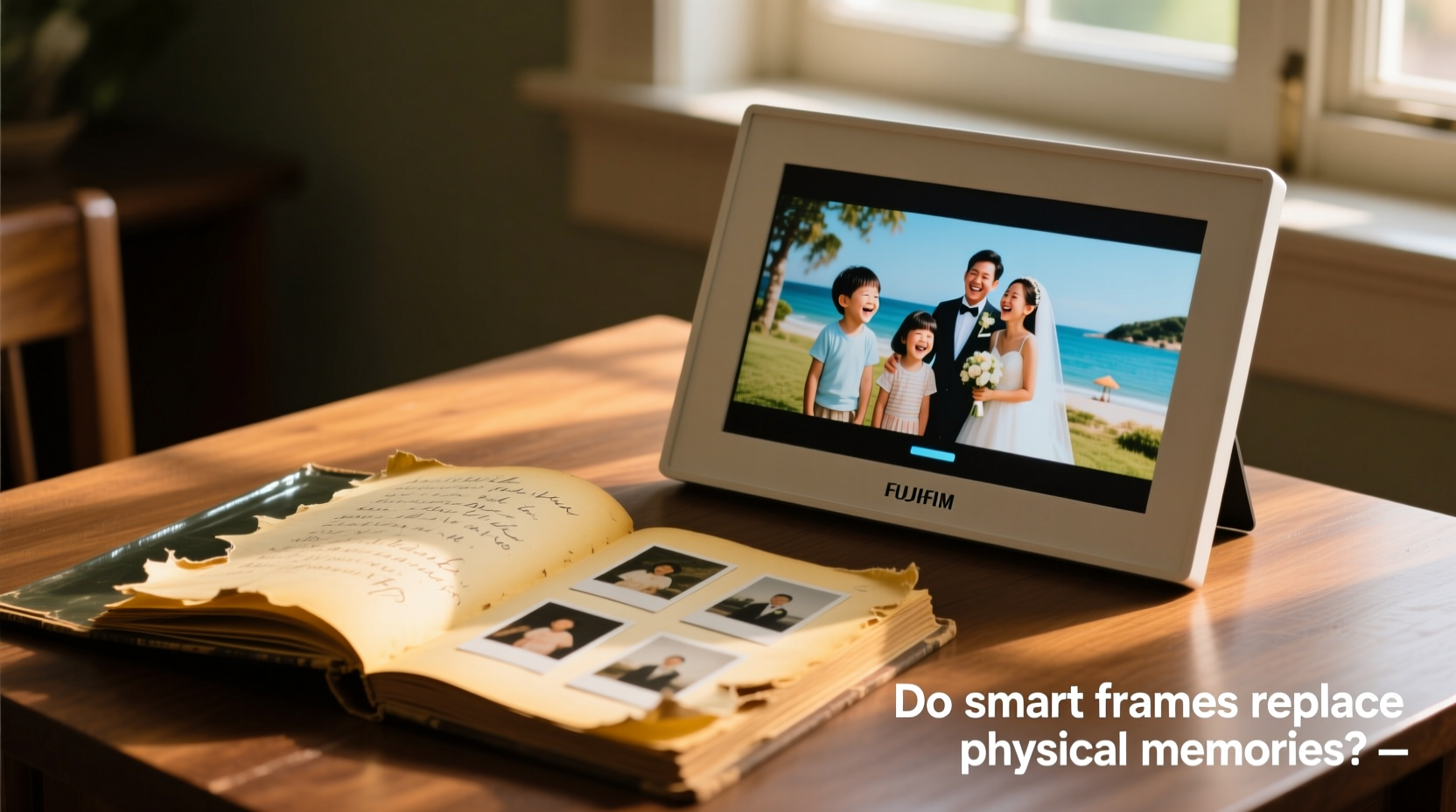
Digital photo frames have evolved from novelty gadgets into sophisticated devices capable of displaying high-resolution images, connecting to Wi-Fi, syncing across cloud platforms, and even receiving new photos remotely via apps. Brands like Nixplay, Aura, and Skylight dominate the market, offering frames that automatically update with new family moments shared from smartphones or social media.
These smart frames appeal to modern lifestyles. They eliminate clutter, require no printing costs, and can hold thousands of photos in a compact device. For grandparents who live miles away, a digital frame that receives real-time updates from their grandchildren is more than convenient—it’s emotionally powerful.
Yet, despite their functionality, digital frames often lack the tactile engagement that makes photo albums so enduring. There’s no flipping pages, no dog-eared corners marking favorite shots, and no accidental rediscovery of forgotten moments tucked between spreads.
The Enduring Charm of Printed Photo Albums
A printed photo album is more than a collection of images—it’s a curated experience. Each layout tells a story. The sequence of photos, the handwritten captions, the texture of the paper, and even the smell of aged cardboard contribute to a multisensory journey through time.
Psychologists suggest that physical interaction with memories strengthens emotional recall. A 2020 study published in *Memory & Cognition* found that people remembered details from printed photos more vividly than from digital displays, especially when those prints were handled regularly.
“Holding a photograph activates deeper neural pathways associated with emotion and autobiographical memory.” — Dr. Lena Torres, Cognitive Psychologist at University of Edinburgh
Albums also serve as heirlooms. Passed down through generations, they carry not only images but the personality of the person who assembled them—their handwriting, their choices, their love for certain moments over others. No algorithm can replicate that intimacy.
Comparing Key Features: Digital vs. Physical
| Feature | Digital Photo Frame | Printed Photo Album |
|---|---|---|
| Storage Capacity | Thousands of photos (cloud or internal storage) | Limited by physical size (typically 50–200 photos per album) |
| Accessibility | Remote updates, app integration, auto-play | Requires physical presence; no remote access |
| Lifespan | 3–7 years (device lifespan; screen degradation) | Decades to centuries (if stored properly) |
| Emotional Engagement | Moderate (passive viewing) | High (tactile, interactive, nostalgic) |
| Maintenance | Software updates, charging, connectivity checks | Dust removal, climate control, page preservation |
| Cost Over Time | Higher upfront cost; potential subscription fees | Lower initial cost; occasional reprinting needed |
| Sharing Capability | Excellent (instant sharing across distances) | Limited (requires mailing or personal handover) |
Real-Life Example: The Johnson Family Experiment
The Johnsons of Portland, Oregon, decided to test both formats side by side. For six months, they maintained a traditional scrapbook of their daughter’s first year while simultaneously using a digital frame in their living room. At the end of the trial, they surveyed extended family members on which format felt more meaningful.
The results were telling. While younger relatives appreciated the ease of uploading new baby photos to the digital frame, older relatives consistently preferred the printed album. One grandmother noted, “I can sit with my granddaughter and point to each photo, tell her what happened that day. With the screen, it just feels… fleeting.”
The family ultimately adopted a hybrid approach: they kept the digital frame for daily display and remote sharing but committed to creating one printed album annually. This balance allowed them to enjoy the best of both worlds—convenience and continuity.
Can Smart Frames Replace Physical Memories?
Technically, yes—digital frames can store, display, and share more photos than any album ever could. But emotionally and psychologically, they don’t yet match the resonance of physical prints.
One major limitation is longevity. Digital formats become obsolete. Today’s JPEGs may not be viewable in 50 years if file standards change or hardware disappears. Printed photos, however, remain accessible as long as light exists. Archival-quality prints stored in acid-free albums can last over a century with minimal care.
Moreover, digital fatigue is real. In a world saturated with screens, many people find passive scrolling emotionally draining. A constantly rotating slideshow can feel impersonal, even intrusive. In contrast, opening a photo album is an intentional act—a ritual of remembrance.
A Practical Guide to Balancing Both Worlds
Rather than choosing one format over the other, consider integrating both into your memory-keeping strategy. Here’s a step-by-step plan:
- Digitize First: Back up all photos to multiple locations—your computer, an external drive, and a secure cloud service.
- Select Highlights: At year-end, choose 50–100 standout images that capture key milestones, emotions, and relationships.
- Create a Digital Display: Upload these highlights to a digital frame with scheduled rotation and ambient lighting settings.
- Design a Printed Album: Use online services like Shutterfly or Mixbook to create a professionally bound album with captions and themes.
- Store Properly: Keep the album in a cool, dry place away from sunlight. Store the digital frame in a low-humidity area to prevent screen damage.
- Review Annually: Revisit both formats each year. Update the digital library and begin planning the next album.
“We don’t remember days, we remember moments.” — Cesare Pavese, Italian writer. Preserving those moments shouldn’t depend solely on technology that may vanish—but neither should we reject tools that help us share love across distances.
Checklist: Building a Balanced Memory System
- ✅ Back up all photos in at least two locations
- ✅ Choose a reliable digital photo frame with Wi-Fi and app support
- ✅ Set a yearly reminder to select and print top photos
- ✅ Invest in archival-quality photo paper and acid-free albums
- ✅ Share digital updates with distant family members monthly
- ✅ Host an annual “memory night” to review both digital and printed collections
- ✅ Label photos digitally and physically with names, dates, and locations
Frequently Asked Questions
Do digital photo frames degrade over time?
Yes. LCD and LED screens can suffer from burn-in, color fading, and backlight failure after several years of continuous use. Most manufacturers estimate a functional lifespan of 3–7 years. To extend life, enable sleep modes and avoid leaving the frame on 24/7.
Are printed photos really more durable than digital files?
When properly preserved, yes. High-quality pigment prints on archival paper can last over 100 years without significant fading. Digital files, meanwhile, are vulnerable to hardware failure, software obsolescence, and accidental deletion. Long-term digital preservation requires active management—printed photos do not.
Can I combine digital frames with printed albums effectively?
Absolutely. Many families use digital frames for dynamic, everyday display and reserve printed albums for milestone events—weddings, births, anniversaries. This dual approach maximizes accessibility while preserving emotional depth.
Conclusion: Honoring Memory in the Digital Age
The debate between digital photo frames and printed albums isn’t about which technology wins—it’s about how we honor our past. Digital frames offer unmatched convenience and connectivity, making them ideal for staying close to loved ones across distances. Printed albums provide permanence, intimacy, and a tangible connection to our history.
Instead of replacing one with the other, the wisest path is integration. Let smart frames bring your memories to life in real time, while printed albums anchor them in reality. Curate intentionally. Print boldly. Share widely. And never forget that the most powerful memory tool isn’t a screen or a page—it’s the human heart that recalls the laughter behind the smile, the warmth behind the gaze, and the love that outlasts every format.




 浙公网安备
33010002000092号
浙公网安备
33010002000092号 浙B2-20120091-4
Comments
No comments yet. Why don't you start the discussion?