
For cat owners, choosing the right litter is more than a matter of convenience—it directly impacts household hygiene, air quality, and your pet’s comfort. A poor-quality litter can lead to persistent odors, respiratory irritation from dust, tracking across floors, and even litter box avoidance by your cat. The ideal solution combines superior odor control, minimal dust, high absorbency, and clumping efficiency—all while being safe for pets and people. This guide dives into what defines premium cat litter, how to evaluate options, and which products consistently deliver on performance.
What Makes High-Quality Cat Litter?
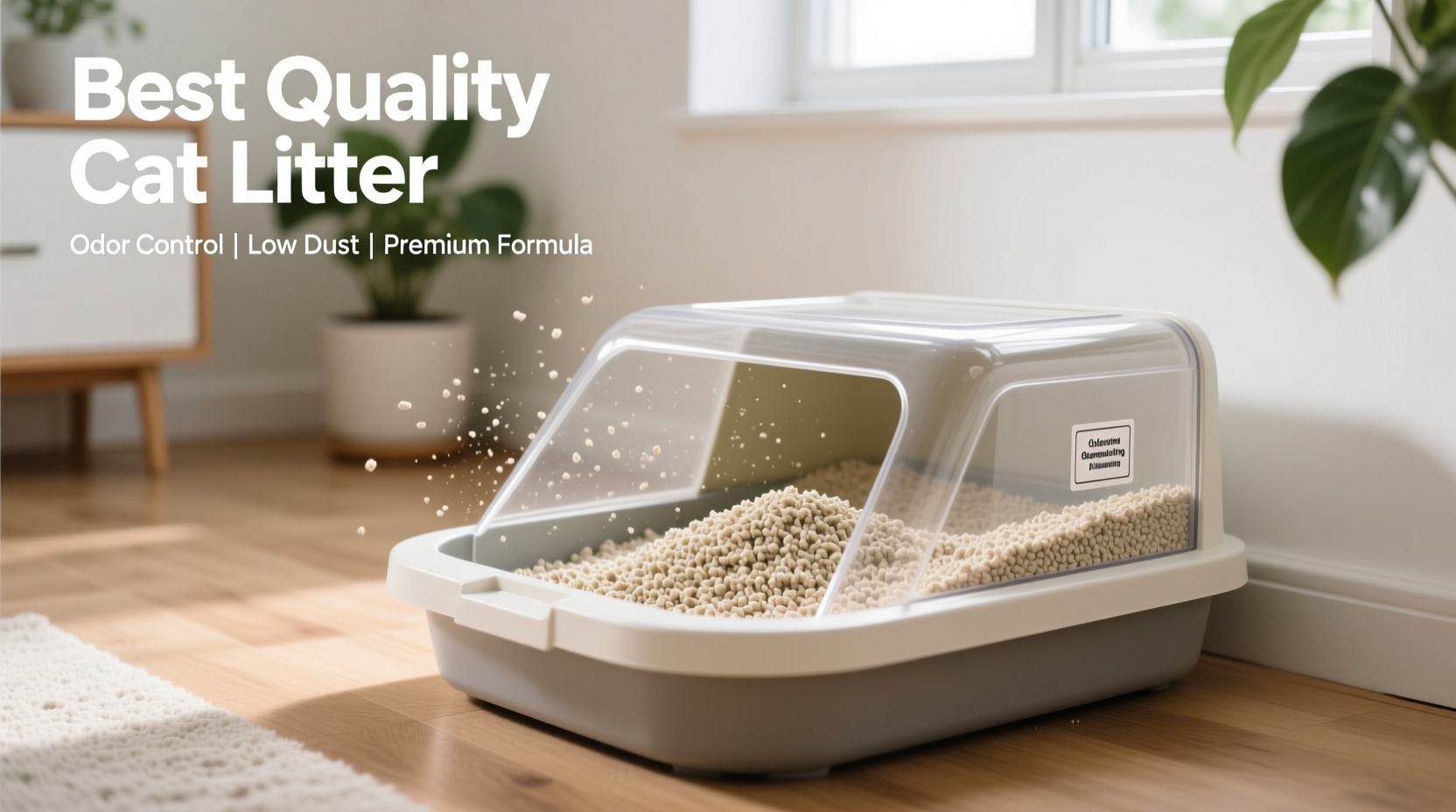
Not all litters are created equal. While price and brand recognition may influence decisions, the real markers of quality lie in composition, functionality, and health impact. Premium cat litter typically excels in four key areas: odor control, dust levels, clumping ability, and material safety.
Odor control is critical, especially in small homes or multi-cat households. Effective litters neutralize ammonia and organic waste smells at the molecular level, not just mask them with perfumes. Low-dust formulas reduce airborne particles that can irritate human lungs and feline respiratory systems—particularly important for kittens, seniors, or cats with asthma.
Clumping agents like sodium bentonite allow waste to form solid, scoopable masses, extending litter life and reducing waste. Meanwhile, materials such as plant-based fibers, silica gel, or natural clay offer different trade-offs in sustainability, weight, and tracking.
Top 5 Litter Types Compared
Different litters serve different needs. Understanding the pros and cons of each type helps match your household’s priorities.
| Litter Type | Odor Control | Dust Level | Eco-Friendly | Best For |
|---|---|---|---|---|
| Clay (Bentonite) | Good | Moderate to High | No | Budget-conscious owners; strong clumping |
| Silica Gel Crystals | Excellent | Very Low | No (non-biodegradable) | Low maintenance; long-lasting use |
| Wood Pellets | Fair to Good | Low | Yes | Natural homes; large particles reduce tracking |
| Walnut-Based | Excellent | Very Low | Yes | Allergies; eco-focused owners |
| Wheat or Corn | Good | Low | Yes | Biodegradability; flushable options |
Silica gel and walnut-based litters stand out for their exceptional odor absorption and near-zero dust. However, they often come at a higher price point. Clay remains popular due to affordability and availability, though its environmental footprint and dust output are notable drawbacks.
How to Evaluate Odor Control and Dust Levels
Manufacturers often make bold claims about odor elimination and dust reduction. To cut through marketing language, look for third-party testing data or consumer reviews that describe real-world performance.
Odor control should be measured by longevity. Does the litter suppress smells after 24 hours? After three days? Premium litters like Dr. Elsey’s Ultra or Ökocat Max Performance use activated carbon or natural enzymes to break down odor compounds rather than covering them up.
Dust is harder to assess from packaging alone. Independent lab tests sometimes report particulate emissions, but anecdotal evidence is valuable. Look for phrases like “respiratory-safe” or “tested for PM2.5 emissions.” Dust-free doesn’t mean zero particles—rather, it indicates significantly reduced fine particulates compared to standard clay.
“High dust exposure in litter boxes correlates with increased risk of bronchial inflammation in both cats and humans. Opting for low-dust alternatives isn’t just about cleanliness—it’s a health decision.” — Dr. Lena Torres, DVM, Feline Wellness Specialist
Step-by-Step Guide to Choosing & Transitioning Litter
Finding the right litter involves testing, observation, and patience. Follow this sequence to minimize stress for both you and your cat.
- Identify Priorities: Rank your needs—odor control, dust reduction, ease of scooping, eco-friendliness, cost.
- Sample Small Batches: Purchase trial sizes of top contenders (e.g., 7 lb bags) to test performance.
- Monitor Cat Behavior: Watch for hesitation, scratching outside the box, or excessive grooming after using paws.
- Assess Daily Maintenance: Track how often you need to scoop, how well clumps hold, and whether odors linger.
- Transition Gradually: Mix new litter with old over 7–10 days, increasing the ratio slowly to avoid rejection.
A sudden switch can cause litter box aversion. Cats are creatures of habit, and texture, scent, and even sound when walking on litter influence acceptance. If your cat refuses the new option, consider a different base material or return to blending until adaptation occurs.
Recommended Brands That Deliver Results
Based on veterinary recommendations, consumer feedback, and independent lab assessments, several brands consistently rise to the top for combining low dust with powerful odor control.
- Dr. Elsey’s Precious Cat Ultra Pure: Made from refined sodium bentonite with no added fragrances or dyes. Offers tight clumping and excellent odor neutralization. Often recommended for multi-cat homes.
- Ökocat Max Performance: Crafted from recycled paper with natural enzymes. Biodegradable, nearly dust-free, and highly absorbent. Ideal for eco-conscious households.
- Tidy Cats Lightweight With Fresh Scent: Uses crushed clay and plant-based materials to reduce weight and dust. Includes odor-neutralizing technology without overpowering perfume.
- Silica Crystal Litter (e.g., Cat’s Pride Advanced: Long-lasting, with beads that absorb moisture and trap odors at the core. One bag can last 30+ days for a single cat.
- Natural Harvest Walnut Litter: Made from ground walnut shells, naturally antimicrobial, and produces almost no dust. Highly rated for odor control and biodegradability.
Mini Case Study: Solving Chronic Odor in a Two-Cat Apartment
Sarah, a resident of a 700-square-foot city apartment, struggled with lingering cat odors despite daily scooping. She used a popular scented clay litter, but guests frequently commented on the ammonia smell near the bathroom where the litter box was located.
After consulting her vet, she switched to a silica crystal litter and added an air purifier nearby. Within a week, the odor disappeared. She also changed the box liner weekly and began using a sifting litter box to remove fine particles that trapped moisture. Her cats adapted quickly, and tracking was reduced due to the larger granule size.
The total monthly cost increased slightly, but Sarah found the improvement in indoor air quality and social comfort well worth the investment.
Checklist: Selecting the Best Litter for Your Home
Use this checklist before making a purchase:
- ✅ Free from artificial fragrances and dyes
- ✅ Clinically tested for low dust emission
- ✅ Forms solid, easy-to-scoop clumps
- ✅ Contains natural odor-neutralizing agents (e.g., activated charcoal, baking soda)
- ✅ Compatible with your cat’s preferences (texture, depth, location)
- ✅ Packaging includes clear disposal instructions (especially for flushable types)
- ✅ Backed by veterinarian recommendations or clinical studies
Frequently Asked Questions
Is fragrance-free litter really better?
Yes, for most households. Artificial fragrances can irritate cats’ sensitive noses and lead to avoidance behavior. Natural odor control through absorption or enzymatic breakdown is safer and more effective long-term.
Can low-dust litter prevent respiratory issues?
Significantly. Studies show that switching to low-dust litter reduces airborne particulates by up to 80%, lowering risks of asthma flare-ups in cats and allergic reactions in humans.
How often should I change the litter completely?
Even with daily scooping, replace the entire contents every 2–4 weeks, depending on usage. Over time, microscopic waste builds up and compromises hygiene and odor control.
Final Thoughts and Action Step
Choosing the best quality cat litter isn’t about finding the cheapest or most advertised option—it’s about aligning product performance with your home’s health standards and your cat’s behavioral needs. Superior odor control and low dust aren’t luxuries; they’re essential components of responsible pet ownership.
Start today by evaluating your current litter against the criteria discussed. Try a sample of a top-rated low-dust, high-performance formula. Observe changes in odor, tracking, and your cat’s behavior. Small adjustments can lead to dramatically cleaner air, easier maintenance, and a happier pet.




 浙公网安备
33010002000092号
浙公网安备
33010002000092号 浙B2-20120091-4
Comments
No comments yet. Why don't you start the discussion?