
Dates are more than just a sweet indulgence—they're a nutrient-dense superfood with deep cultural roots and impressive health benefits. Grown primarily in arid regions across the Middle East, North Africa, and California, dates have evolved into over 600 known varieties, each offering unique textures, flavors, and nutritional profiles. Whether you prefer a caramel-like softness or a chewy, molasses-rich bite, there’s a date variety crafted for your palate. The real challenge isn’t finding dates—it’s choosing the right ones that deliver both exceptional quality and fair value.
This guide explores the most sought-after date types, how to assess their quality, and where to source them without overspending. From gourmet kitchen staples to everyday snacks, understanding what sets premium dates apart empowers smarter choices—whether you’re stocking your pantry, preparing a holiday platter, or seeking natural energy boosts.
The Top Date Varieties Worth Trying
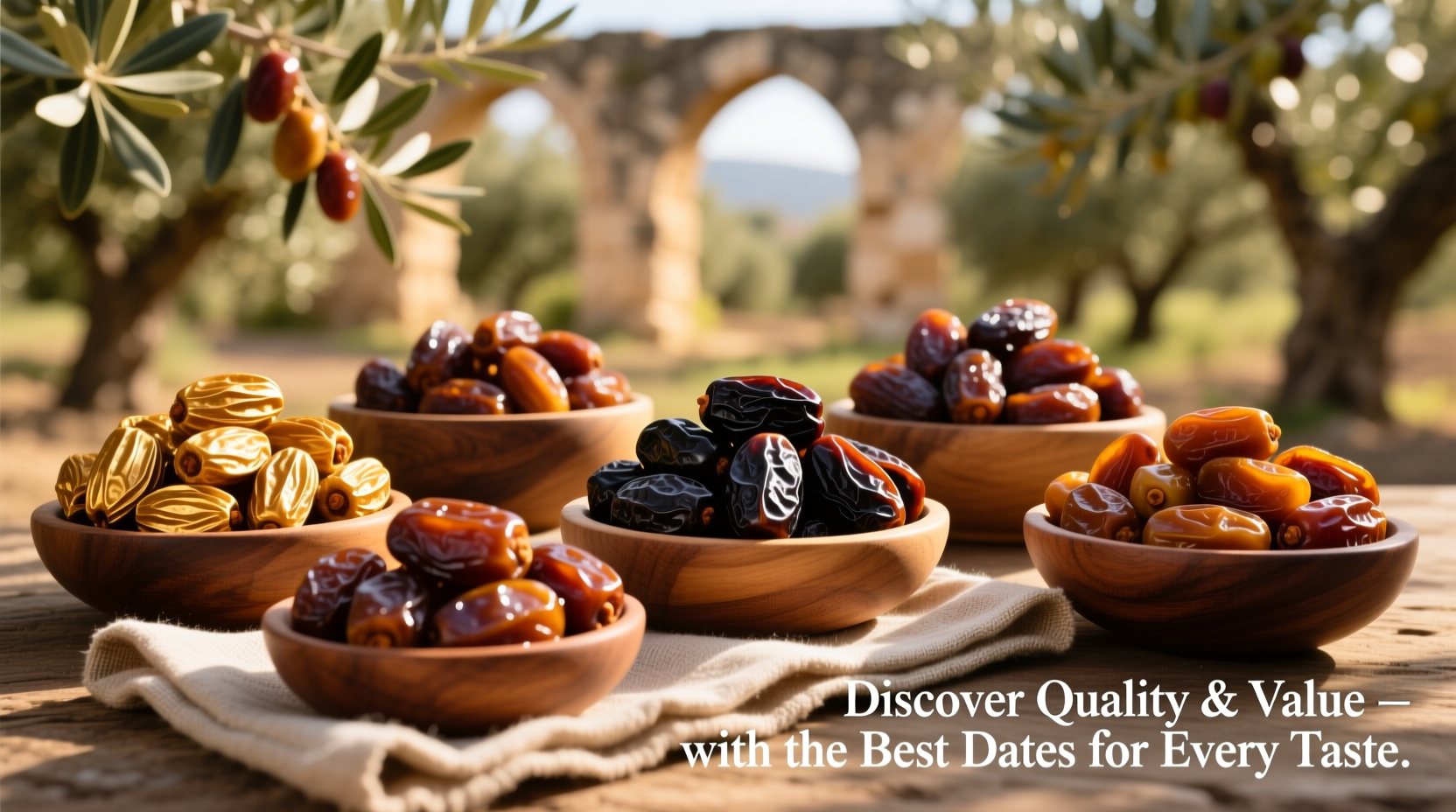
Not all dates are created equal. Some are prized for their size and juiciness; others for their depth of flavor or medicinal reputation. Here are five of the most celebrated varieties, each catering to different preferences:
- Medjool – Often called the “king of dates,” Medjools are large, soft, and luxuriously sweet with a hint of butterscotch. They’re typically sold pitted and require no prep, making them ideal for snacking or stuffing with nuts.
- Deglet Noor – Smaller and firmer than Medjool, Deglet Noor dates have a translucent golden hue and a delicate honey-nut flavor. They’re commonly used in cooking, especially in savory tagines and baked goods.
- Ajwa – Revered in Islamic tradition, Ajwa dates come from Medina, Saudi Arabia. They are semi-dry, dark black, and slightly earthy with subtle berry notes. Many believe they possess protective health properties.
- Hallawi – Known for its amber color and smooth texture, Hallawi is one of the sweetest soft varieties. It has a distinct honeyed taste and is often enjoyed fresh during harvest season.
- Mazafati – Also called “Bam” dates, these Iranian beauties are harvested early and consumed fresh or frozen. They boast a creamy consistency similar to chocolate fudge and are highly perishable but unforgettable in flavor.
How to Identify High-Quality Dates
Purchasing high-quality dates goes beyond brand names. Look for these indicators to ensure you’re getting the best product:
- Texture: Premium soft dates should be plump and moist, not dry or cracked. When gently pressed, they yield slightly and spring back.
- Color: Uniform coloring indicates consistent ripening. Avoid dates with white crystalline spots—this may signal sugar bloom (not harmful, but a sign of temperature fluctuation).
- Smell: Fresh dates emit a mild, fruity aroma. A fermented or sour odor suggests spoilage.
- Ingredients: Check labels. Pure dates should contain only \"dates.\" Added preservatives, sulfur dioxide, or glucose syrup degrade quality and value.
- Packaging: Vacuum-sealed or resealable pouches help preserve moisture and extend shelf life.
“Consumers often overlook texture as a marker of quality, but it’s one of the most reliable signs of proper harvesting and storage.” — Dr. Leila Nassar, Food Scientist & Date Agronomist, UAE University of Agriculture
Comparing Value Across Popular Date Types
Price doesn’t always reflect value. Some expensive dates offer little beyond branding, while budget options may compromise on ripeness or origin. This table compares key factors to help you make cost-effective decisions:
| Variety | Avg. Price per lb (USD) | Best Use | Shelf Life (Unopened) | Value Score (1–5) |
|---|---|---|---|---|
| Medjool | $12–$16 | Snacking, desserts | 6 months (fridge) | 4.5 |
| Deglet Noor | $6–$9 | Cooking, baking | 12 months (pantry) | 5.0 |
| Ajwa | $18–$25 | Traditional consumption, gifting | 8 months (cool, dry) | 3.8 |
| Hallawi | $10–$14 | Fresh eating, blending | 5 months (fridge) | 4.2 |
| Mazafati | $15–$20 (fresh/frozen) | Specialty desserts | 3 months (frozen) | 4.0 |
While Medjool dates command a premium, Deglet Noor offers superior value for regular use due to lower cost and longer shelf stability. However, if you prioritize sensory experience or cultural significance, investing in Ajwa or fresh Mazafati may be worthwhile despite higher prices.
Real-World Example: How One Family Upgraded Their Snack Routine
The Al-Fares family in Amman, Jordan, used to buy generic packaged dates from supermarkets. After noticing inconsistent quality—some batches were overly dry or had an off-taste—they decided to explore direct suppliers. They discovered a small cooperative in the Jordan Valley that sold vacuum-packed Medjool and Hallawi dates at competitive rates.
By switching, they gained access to fresher produce, transparent sourcing, and even seasonal discounts. The children preferred the softer texture, and the parents appreciated knowing exactly where their food came from. Over a year, they reduced snack waste by 40% and spent 15% less overall. More importantly, mealtime became more enjoyable—dates were no longer just a filler but a highlight.
Step-by-Step Guide to Buying the Best Dates
To consistently find high-value, high-quality dates, follow this practical buying process:
- Define Your Purpose: Are you using dates for snacking, baking, or gifting? This determines the ideal variety.
- Research Reputable Sellers: Look for brands with clear origin labeling, customer reviews, and certifications (e.g., organic, fair trade).
- Start with a Small Batch: Test freshness, taste, and texture before committing to bulk purchases.
- Check Storage Conditions: If buying in-store, ensure dates aren’t exposed to heat or humidity. Online, confirm packaging includes moisture barriers.
- Store Properly at Home: Keep soft dates refrigerated; firm varieties can stay in a cool, dark pantry. Transfer to airtight containers if original packaging isn’t resealable.
- Evaluate and Rotate: Use older stock first and note which brands perform best over time.
Frequently Asked Questions
Are expensive dates really worth the price?
Not always. While certain premium dates like organic Medjool or rare Ajwa justify higher costs due to limited supply and meticulous farming, many mid-tier options deliver nearly identical taste and nutrition at a fraction of the price. Focus on ingredient purity and freshness rather than branding alone.
Can I substitute one date variety for another in recipes?
Yes, but with adjustments. Soft dates like Medjool blend more easily and add moisture, making them better for raw desserts. Firmer Deglet Noor holds shape better in stews or chopped salads. When substituting, consider texture impact and adjust liquid content accordingly.
Do dates lose nutritional value over time?
Slight degradation occurs, especially in vitamins and antioxidants, but fiber, minerals, and natural sugars remain stable for months if stored correctly. For peak nutrition, consume within six months of purchase, especially for soft, moist varieties.
Final Thoughts: Make Every Bite Count
Choosing the best dates isn’t about chasing trends or paying the highest price—it’s about aligning quality with your personal taste and lifestyle needs. Whether you savor the buttery richness of a Medjool or appreciate the humble reliability of Deglet Noor, informed decisions transform a simple fruit into a daily pleasure and nourishing staple.
The next time you reach for a date, pause and ask: Is this fresh? Is it pure? Does it suit how I plan to enjoy it? These small questions lead to greater satisfaction and smarter spending. With so many varieties available, the world of dates is ripe for exploration—start tasting, comparing, and discovering your perfect match today.




 浙公网安备
33010002000092号
浙公网安备
33010002000092号 浙B2-20120091-4
Comments
No comments yet. Why don't you start the discussion?