
In a world where efficiency and adaptability define success, the right tools can make all the difference. Whether you're fixing a leaky faucet, assembling furniture, managing a remote workspace, or launching a creative side project, having dependable, multi-functional tools at your disposal streamlines effort and reduces frustration. The best tools don’t just perform one task well—they integrate seamlessly into daily routines, scale with growing needs, and endure over time. This guide explores practical, high-value tools across categories that deliver consistent performance and versatility in real-world applications.
What Makes a Tool Truly Reliable and Versatile?
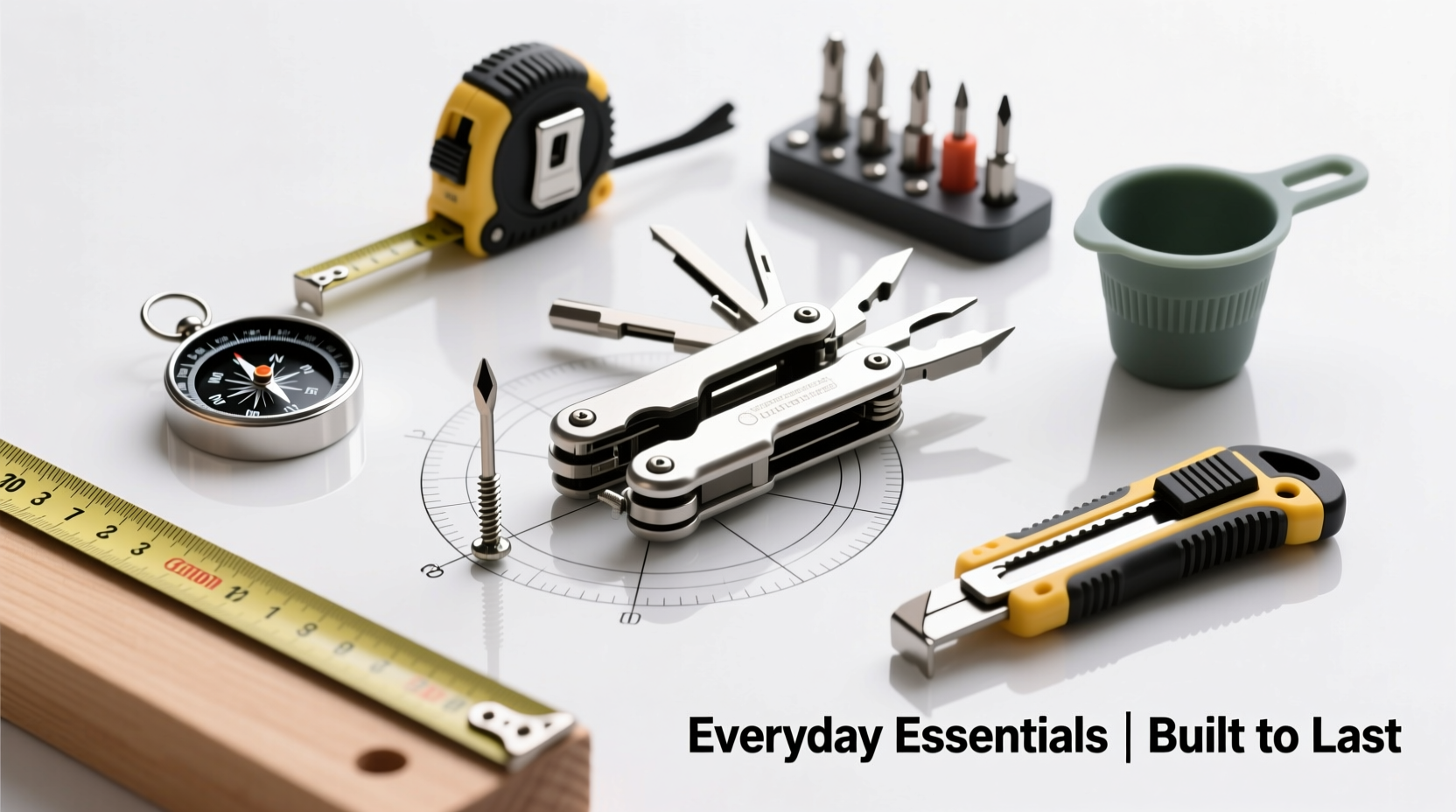
A tool earns its place in your regular rotation when it meets three core criteria: durability, adaptability, and ease of use. Reliability means it functions consistently under pressure, whether it's a physical device or digital software. Versatility refers to its ability to serve multiple purposes without compromising effectiveness. A screwdriver that also functions as a pry bar, or a note-taking app that syncs across devices and supports voice, text, and sketches, exemplifies this dual strength.
Experts emphasize function over features. As engineer and product designer Marcus Lin states:
“Over-engineering kills usability. The most trusted tools solve real problems simply—and keep doing so for years.” — Marcus Lin, Industrial Design Consultant
This principle applies equally to hardware and software. The goal is not to accumulate gadgets but to curate a lean, high-impact toolkit tailored to your lifestyle and responsibilities.
Essential Physical Tools for Daily Use
Physical tools remain indispensable in both household management and hands-on projects. These are not specialty items reserved for experts, but accessible instruments that empower confidence in basic repairs and improvements.
1. Multi-Bit Screwdriver Set
No single tool offers more utility than a quality multi-bit screwdriver. Modern versions include magnetic tips, ergonomic grips, and interchangeable bits stored inside the handle. They handle electronics, furniture assembly, appliance fixes, and outdoor gear maintenance.
2. Digital Caliper
Often overlooked outside workshops, digital calipers provide precise measurements for everything from crafting materials to fitting replacement parts. Their compact size makes them easy to store, yet they offer accuracy down to 0.01mm.
3. Utility Knife with Retractable Blade
A retractable utility knife is ideal for opening packages, trimming cardboard, scoring drywall, or cutting rope. Opt for models with blade storage in the handle and ambidextrous design.
4. Cordless Drill/Driver
Even non-contractors benefit from a lightweight cordless drill. Choose one with adjustable torque settings and a lithium-ion battery. It handles hanging shelves, assembling flat-pack furniture, and minor home upgrades with minimal effort.
5. Tape Measure (25-Foot, Self-Locking)
Accurate measurement prevents costly mistakes. A self-locking tape measure with a durable blade and clear markings ensures consistency across tasks. Look for anti-slip casing and a belt clip.
Digital Tools That Enhance Productivity
Modern life runs on digital infrastructure. From scheduling meetings to tracking personal goals, software tools amplify productivity when chosen wisely. The key is selecting platforms that integrate across devices and reduce friction between tasks.
| Tool Type | Recommended Option | Primary Use Case | Lifespan / Update Frequency |
|---|---|---|---|
| Note-Taking | Obsidian | Knowledge management, journaling, research | Regular community updates |
| To-Do Management | Todoist | Daily planning, recurring tasks, team delegation | Monthly feature rollouts |
| File Sync & Backup | Sync.com + External SSD | Secure document storage, version control | Ongoing encryption standards |
| Remote Access | Chrome Remote Desktop | Accessing home computer from mobile or travel | Google-maintained, always current |
These tools excel because they avoid bloat while supporting automation. For example, setting up recurring tasks in Todoist eliminates mental clutter, while Obsidian’s local-first approach ensures privacy and long-term accessibility.
Real-World Example: How One Freelancer Streamlined Her Workflow
Sophie Tran, a freelance graphic designer based in Portland, struggled with missed deadlines and disorganized client files. After auditing her workflow, she replaced five overlapping apps with two core tools: Obsidian for project notes and asset tracking, and Todoist for deadline management. She created templates for each client type and linked tasks directly to reference materials.
Within six weeks, her turnaround time improved by 30%, and client satisfaction scores rose significantly. “I stopped wasting time searching through folders,” she said. “Now my tools work *with* me instead of against me.”
Step-by-Step: Building Your Personal Toolkit
Selecting tools shouldn’t be random. Follow this sequence to build a system that lasts:
- Assess Your Needs: List common tasks (e.g., organizing receipts, tightening loose cabinet hinges, writing reports).
- Categorize by Frequency: Separate daily, weekly, and occasional tasks.
- Identify Pain Points: Where do delays or errors occur? Is it due to missing tools or poor ones?
- Research Options: Read independent reviews, check warranty terms, and prioritize repairability.
- Test Before Committing: Borrow or trial software; buy affordable versions first if possible.
- Integrate Gradually: Replace one tool at a time to avoid confusion.
- Maintain Regularly: Clean physical tools monthly; back up digital data weekly.
Checklist: Essential Tools Every Household Should Have
- Multi-bit screwdriver with standard and precision bits
- Adjustable wrench (8–10 inch)
- LED flashlight with magnetic base
- Digital multimeter (for checking outlets or batteries)
- Power strip with surge protection
- Reusable cable ties and Velcro straps
- Basic first aid kit with CPR face shield
- Fire extinguisher (Class ABC)
- Water-resistant tarp (10x12 ft)
- Compact folding knife
This list covers emergencies, routine maintenance, and small improvements. Store items in a labeled container near a central access point like a garage or closet.
Frequently Asked Questions
How do I know if a tool is worth the higher price?
Evaluate total cost of ownership: cheaper tools may need replacing every few uses, while premium ones last decades. Check user reviews focusing on longevity, and consider brands known for service support (e.g., DeWalt, Leatherman, Shure). If a tool sees frequent use, investing upfront saves money and time.
Can software tools really be 'versatile'?
Yes—when designed with modularity in mind. Apps like Notion or Obsidian allow customization through plugins, databases, and linking systems. A single notebook app can become a CRM, habit tracker, and meeting log. The versatility lies in how flexibly the tool adapts to your evolving needs.
Should I repair or replace a broken tool?
Repair whenever possible. Many manufacturers offer spare parts or refurbishment services. For electronics, consult iFixit guides. Repairing extends lifespan, reduces waste, and often costs less than buying new. Only replace if safety is compromised or repair exceeds 50% of replacement value.
Final Thoughts: Build Smart, Stay Prepared
The most reliable tools aren't always the flashiest—they’re the ones you reach for instinctively because they work, every time. By focusing on quality over quantity, integrating digital and physical solutions, and maintaining what you own, you create a foundation for independence and resilience. Whether you're troubleshooting a Wi-Fi outage or installing a smart lock, the right tools turn uncertainty into action.




 浙公网安备
33010002000092号
浙公网安备
33010002000092号 浙B2-20120091-4
Comments
No comments yet. Why don't you start the discussion?