
The Amalfi Coast is a stretch of southern Italy’s Sorrentine Peninsula that has long captured the imaginations of travelers, artists, and poets. With its dramatic cliffs, turquoise waters, and pastel-colored villages clinging to steep hillsides, it’s no wonder this UNESCO World Heritage Site ranks among Europe’s most coveted destinations. While each town along the coast offers its own unique allure, one stands out for combining breathtaking scenery, authentic charm, and an effortlessly sunny atmosphere: Positano.
More than just a postcard-perfect backdrop, Positano delivers an immersive experience where sea, culture, and dolce vita converge. From hidden coves and vibrant piazzas to family-run trattorias and breezy seaside lounges, it’s the ideal destination for those seeking both relaxation and inspiration.
Why Positano Reigns as the Best Beach Town on the Amalfi Coast
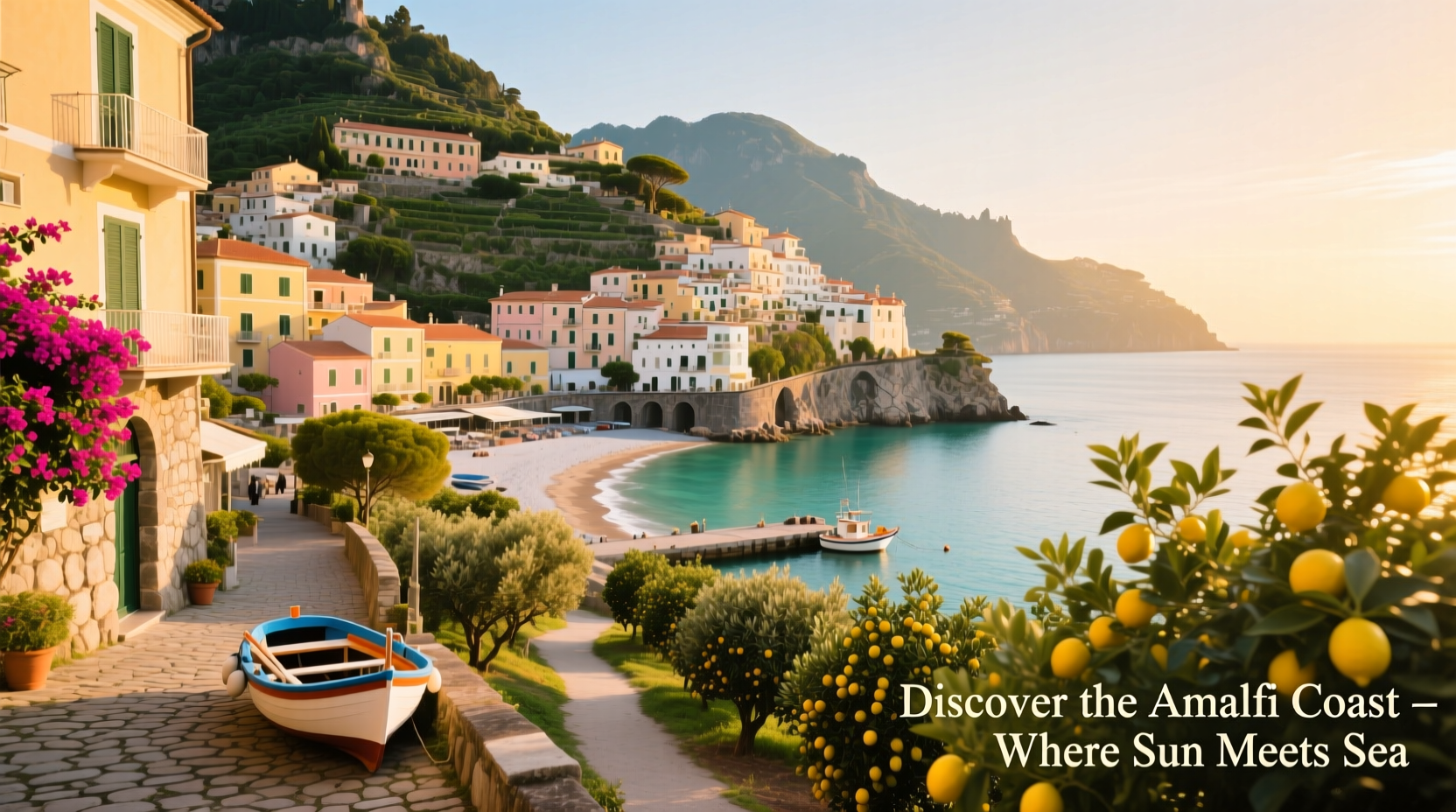
Nestled in a deep ravine descending to the Tyrrhenian Sea, Positano balances natural drama with intimate human scale. Unlike larger or more commercialized towns, it retains a sense of authenticity while offering modern comforts. Its central beach, Spiaggia Grande, serves as the town’s lively heart—a hub of sunbathers, swimmers, and al fresco dining under colorful umbrellas.
What sets Positano apart is its vertical layout. Houses cascade down the hillside like a waterfall of terracotta tiles and bougainvillea-draped balconies. Wandering its narrow, switchback streets feels like stepping into a living painting. Each turn reveals a new vista: a hidden chapel, a lemon grove tucked into the rocks, or a quiet bench overlooking the sea.
“Positano isn’t just seen—it’s felt. The way the light dances on the water at sunset, the scent of salt and jasmine in the air, the rhythm of life measured by tides and meals—it stays with you long after you leave.” — Luca Moretti, Coastal Historian & Guide
Charming Views That Define the Experience
No visit to Positano is complete without taking in its iconic panoramas. Whether from the Church of Santa Maria Assunta, the Path of the Gods hiking trail, or a private terrace at dusk, the views are consistently spellbinding.
The town’s east-facing orientation means mornings bathe the cliffs in soft golden light, while evenings offer fiery sunsets over the sea. For photographers and romantics alike, these moments are priceless. Even simple activities—like sipping espresso at a sidewalk café or boarding a ferry—become elevated by the ever-present backdrop of natural grandeur.
Beaches and Water Access: Sun, Sand, and Serenity
Spiaggia Grande remains the primary public beach, easily accessible and lined with lidos that rent sunbeds and umbrellas. Though pebbly rather than sandy, the water is exceptionally clear, ideal for swimming and snorkeling. A second, quieter option is Fornillo Beach, just a five-minute walk west—less developed and perfect for those seeking peace.
For adventurers, small boats depart daily to secluded coves like Grotta dello Smeraldo (Emerald Grotto) or the Li Galli islands, once owned by ballet dancer Rudolf Nureyev. These excursions offer privacy, stunning underwater hues, and a chance to swim in untouched settings.
How to Make the Most of Your Beach Day
- Bring water shoes—pebbles can be uncomfortable underfoot.
- Reserve a lido chair in advance during peak season (June–August).
- Pack a lightweight cover-up; changing facilities are basic.
- Visit Fornillo Beach in late afternoon for fewer people and golden-hour light.
Culinary Delights: Taste the Sunshine
Dining in Positano is a celebration of Mediterranean abundance. Local menus highlight fresh seafood, handmade pasta, and sun-ripened produce. Try scialatielli ai frutti di mare—a thick, short pasta tossed with clams, mussels, and local fish—or insalata caprese made with buffalo mozzarella from nearby farms.
Lemons grow abundantly here, and their zest infuses everything from sauces to desserts. Don’t miss delizia al limone, a moist, citrusy sponge cake that captures the essence of the coast.
| Dish | Description | Where to Try |
|---|---|---|
| Spaghetti alle vongole | Spaghetti with clams, garlic, white wine, and parsley | Ristorante Aldo Ferrara |
| Granita di limone | Shaved lemon ice, refreshing on hot days | Bar Colonna |
| Fritto misto di mare | Lightly fried mixed seafood | La Cambusa, Fornillo Beach |
A Real Escape: One Traveler’s Experience
When Sarah Thompson, a graphic designer from Portland, visited Positano during a solo trip through Italy, she expected beauty—but not transformation. “I came for the photos,” she recalls. “I left feeling reset.”
She stayed in a family-run guesthouse above Fornillo Beach, walking into town each morning for espresso and fresh pastries. She took a cooking class in a lemon grove, learned to make limoncello, and spent afternoons reading on the beach. “There was no rush, no pressure to see everything. I just let the place guide me.”
Her favorite moment? Watching the sunset from a tiny chapel garden, listening to distant church bells echo over the water. “It wasn’t just pretty. It felt sacred.”
Practical Tips for Visiting Positano
While enchanting, Positano requires some planning due to its terrain and popularity. Here’s how to navigate it smoothly:
- Arrive by ferry when possible. Driving is stressful—narrow roads, limited parking, and summer traffic make the coastal route challenging.
- Wear comfortable shoes. The town is all stairs and slopes. High heels or flimsy sandals will slow you down.
- Book accommodations early. The best hotels and rentals fill up months in advance, especially May through September.
- Carry cash. Some smaller shops and cafes don’t accept cards.
- Respect local rhythms. Many shops close midday; dinners start late (8:30 PM or later).
Do’s and Don’ts in Positano
| Do | Don't |
|---|---|
| Take a boat tour to Capri or Nerja | Expect wide sidewalks or flat terrain |
| Try a limoncello tasting at a local farm | Overpack—space is limited in most accommodations |
| Visit in May or September for fewer crowds | Assume everything is open late—some restaurants close by midnight |
FAQ
Is Positano walkable?
Yes, but with caveats. The town is entirely walkable via staircases and narrow lanes, but it’s physically demanding. Those with mobility concerns should consider staying near the beach or using private transfers.
Are there family-friendly beaches in Positano?
Absolutely. Spiaggia Grande has shallow entry points and lifeguards in summer, making it suitable for children. Many lidos also provide shaded areas and kid-friendly menus.
Can you swim safely in the sea around Positano?
Yes. The waters are clean and generally calm, especially in protected bays. However, currents can strengthen farther from shore, so heed warning flags and avoid rocky zones.
Conclusion: Embrace the Magic of Positano
Positano isn’t just the best beach town on the Amalfi Coast—it’s a state of mind. It invites you to slow down, breathe deeply, and fall in love with simple pleasures: the taste of just-caught fish, the sound of waves against volcanic rock, the warmth of sun on ancient stone.
Whether you’re planning a romantic getaway, a creative retreat, or a joyful family holiday, Positano delivers charm, beauty, and that elusive feeling of being exactly where you’re meant to be.




 浙公网安备
33010002000092号
浙公网安备
33010002000092号 浙B2-20120091-4
Comments
No comments yet. Why don't you start the discussion?