
Washington, D.C. is one of the most museum-rich cities in the world—and the best part? Most of its top cultural institutions are completely free to enter. From towering marble halls filled with ancient artifacts to sleek modern galleries showcasing cutting-edge art, the nation’s capital offers an unmatched experience for curious minds and culture lovers on any budget. Whether you're a local looking for a weekend adventure or a visitor trying to stretch your travel funds, exploring D.C.’s free museums delivers depth, diversity, and discovery without the price tag.
The Smithsonian Advantage: Why D.C. Stands Out
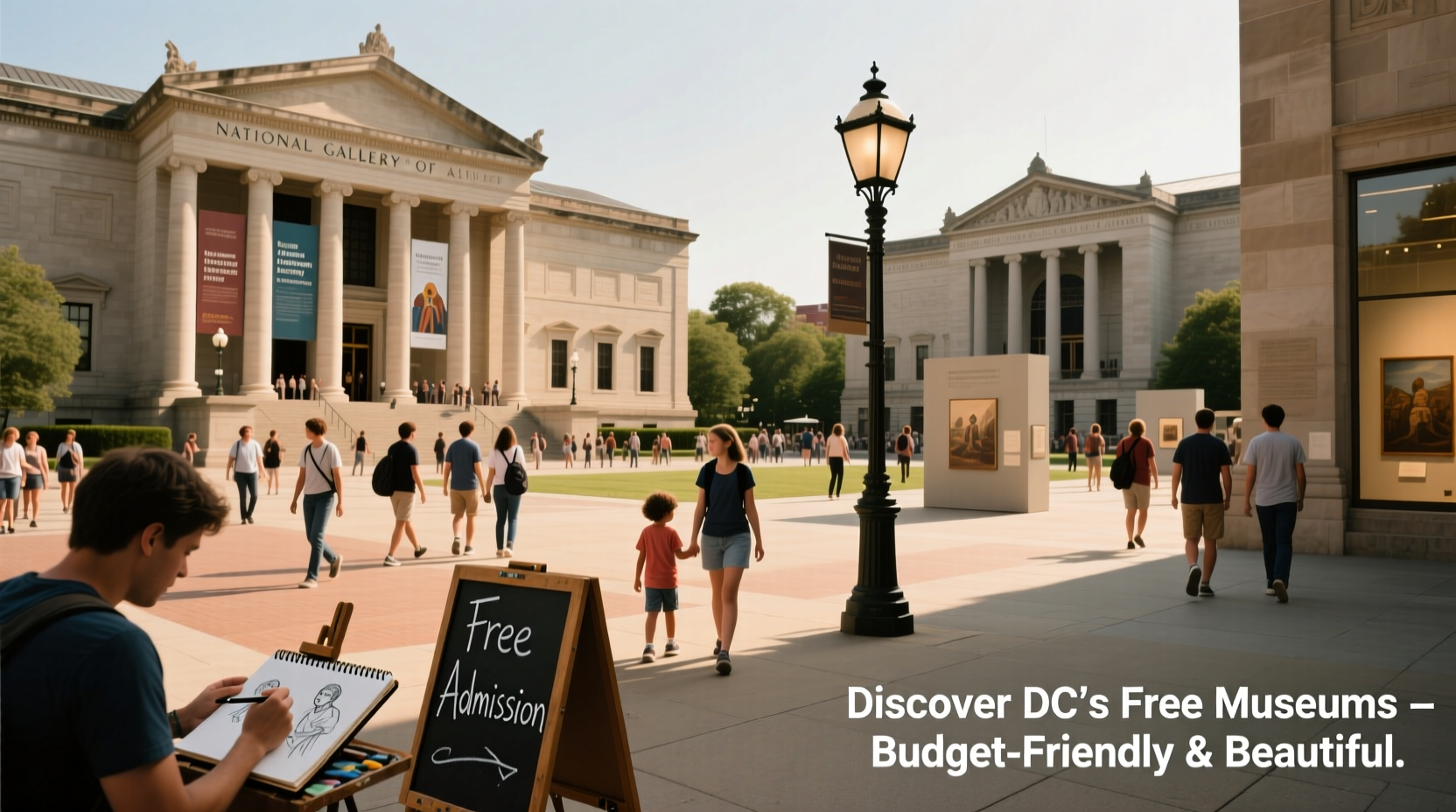
The backbone of D.C.’s free museum scene is the Smithsonian Institution—the world’s largest museum, education, and research complex. With 19 museums and galleries under its umbrella, the Smithsonian has made a commitment to public access by keeping admission free across all locations. This policy stems from the belief that knowledge and culture should be available to everyone, regardless of income.
Funded in part by federal appropriations and private donations, the Smithsonian ensures that iconic venues like the National Museum of American History and the National Air and Space Museum remain open and accessible. This isn’t just about saving money; it’s about democratizing learning. As Lonnie G. Bunch III, Secretary of the Smithsonian, puts it:
“Museums are not just repositories of objects—they are places of reflection, healing, and inspiration. Free access means more people can engage with history, science, and art on their own terms.” — Lonnie G. Bunch III, Secretary, Smithsonian Institution
Top 5 Free Museums You Can’t Miss
While nearly every Smithsonian museum is free, some stand out for their collections, architecture, and visitor experience. Here are five must-visit spots that deliver exceptional value and unforgettable moments—all at no cost.
- National Museum of Natural History: Home to over 145 million specimens, including the Hope Diamond and a life-sized African elephant in the rotunda. The Insect Zoo and Ocean Hall are favorites among families.
- National Museum of African American History and Culture: A powerful journey through Black history, from slavery to civil rights and contemporary culture. Reservations are recommended due to high demand.
- National Air and Space Museum: Explore real spacecraft, moon rocks, and aviation milestones. Kids love the flight simulators (small fee for simulators, but entry is free).
- Arthur M. Sackler Gallery and Freer Gallery of Art: Twin museums dedicated to Asian art, located underground and connected by a tunnel. Features everything from ancient Chinese bronzes to modern Japanese prints.
- Hirshhorn Museum and Sculpture Garden: A modern and contemporary art haven on the National Mall. Known for immersive installations and rotating exhibitions.
Hidden Gems Beyond the Mall
While the National Mall draws the most attention, several lesser-known free museums offer intimate, thought-provoking experiences away from the tourist rush.
| Museum | Specialty | Why Visit? |
|---|---|---|
| Anacostia Community Museum | Local history & social issues | Explores D.C.’s neighborhoods, activism, and cultural identity with community-driven exhibits. |
| National Museum of the American Indian | Indigenous cultures of the Americas | Beautiful architecture, traditional crafts, and films that center Native voices. |
| Dumbarton Oaks Museum | Byzantine and Pre-Columbian art | Located in Georgetown with serene gardens. Free, but timed entry may be required. |
| National Building Museum | Architecture & design | Striking interior courtyard and family-friendly exhibits (donation suggested but not required). |
These spaces often host interactive programs, lectures, and workshops—all free of charge. They’re ideal for travelers who want a quieter, more reflective museum experience.
Maximizing Your Visit: A Step-by-Step Guide
To make the most of D.C.’s free museum offerings, follow this practical timeline for a full day of exploration:
- 8:30 AM – Arrive at National Museum of Natural History: Beat the school groups and start with the ground floor exhibits. Don’t miss the Hall of Fossils.
- 10:30 AM – Walk to the National Museum of American History: Just ten minutes away. See the original Star-Spangled Banner and Julia Child’s kitchen.
- 12:30 PM – Lunch break at the National Mall food kiosks: Grab a quick bite with views of the Washington Monument.
- 1:30 PM – Head to the Hirshhorn: Spend an hour engaging with bold contemporary works.
- 3:00 PM – Take the Metro to Anacostia Community Museum: Ride the Green Line for a deeper dive into local narratives and urban culture.
- 5:00 PM – Wind down at the U.S. Botanic Garden: Not a museum per se, but adjacent and free, with lush indoor plant displays and seasonal flower exhibits.
Real Example: A Budget Traveler’s Day Out
Sophie, a college student visiting D.C. from Ohio, planned her spring break around maximizing free attractions. With a $5 Metro card and a backpack of snacks, she started at the National Museum of Natural History at 9 a.m. She spent two hours marveling at dinosaur skeletons before heading next door to the Air and Space Museum.
After lunch on the Mall, she visited the African American History Museum using a same-day reservation secured via the app. By 4 p.m., she was relaxing in the Sackler Gallery, sketching a 12th-century Persian manuscript. “I didn’t spend a single dollar on entry,” she said later, “but I felt like I got the full D.C. experience.”
Her total cost for the day? $7.50 for Metro and $6 for a sandwich. Total museums visited: 5.
Do’s and Don’ts at Free Museums in D.C.
| Do | Don't |
|---|---|
| Make same-day reservations when required (e.g., NMAAHC) | Assume all special exhibits are free (some charge) |
| Bring water and snacks (many allow them in common areas) | Eat in galleries where prohibited |
| Ask about guided tours—many are free and led by experts | Touch artifacts or lean on display cases |
| Use lockers or checkrooms for bags (free at most locations) | Bring large backpacks or tripods without checking policies |
FAQ
Are all Smithsonian museums really free?
Yes, general admission to all Smithsonian museums is always free. However, special experiences like planetarium shows or flight simulators may have small fees.
Do I need tickets for free museums?
Most do not require advance tickets, but the National Museum of African American History and Culture strongly recommends reserving a timed-entry pass online. Same-day passes are sometimes available, but availability is not guaranteed.
Are these museums suitable for kids?
Absolutely. The National Museum of Natural History, the National Air and Space Museum, and the National Museum of American History are especially kid-friendly, with hands-on exhibits, interactive stations, and educational programs designed for younger audiences.
Your Turn to Explore
Washington, D.C. proves that world-class culture doesn’t have to come with a high price. With thoughtful planning and a spirit of curiosity, you can spend days immersed in art, history, science, and innovation—all without opening your wallet for admission. These museums aren’t just free—they’re generous in scope, rich in storytelling, and deeply rewarding.




 浙公网安备
33010002000092号
浙公网安备
33010002000092号 浙B2-20120091-4
Comments
No comments yet. Why don't you start the discussion?