
Fried eggplant is a beloved dish across Mediterranean, Middle Eastern, and Asian cuisines. When done right, it delivers a tender interior with a golden, crisp exterior that melts in your mouth. Yet many home cooks struggle with soggy slices or oil-heavy results. The key lies not just in technique but in understanding how eggplant behaves under heat. This guide reveals the best fried eggplant recipe, refined through culinary tradition and modern kitchen science, along with actionable tips to ensure consistent success every time.
The Secret to Perfectly Fried Eggplant
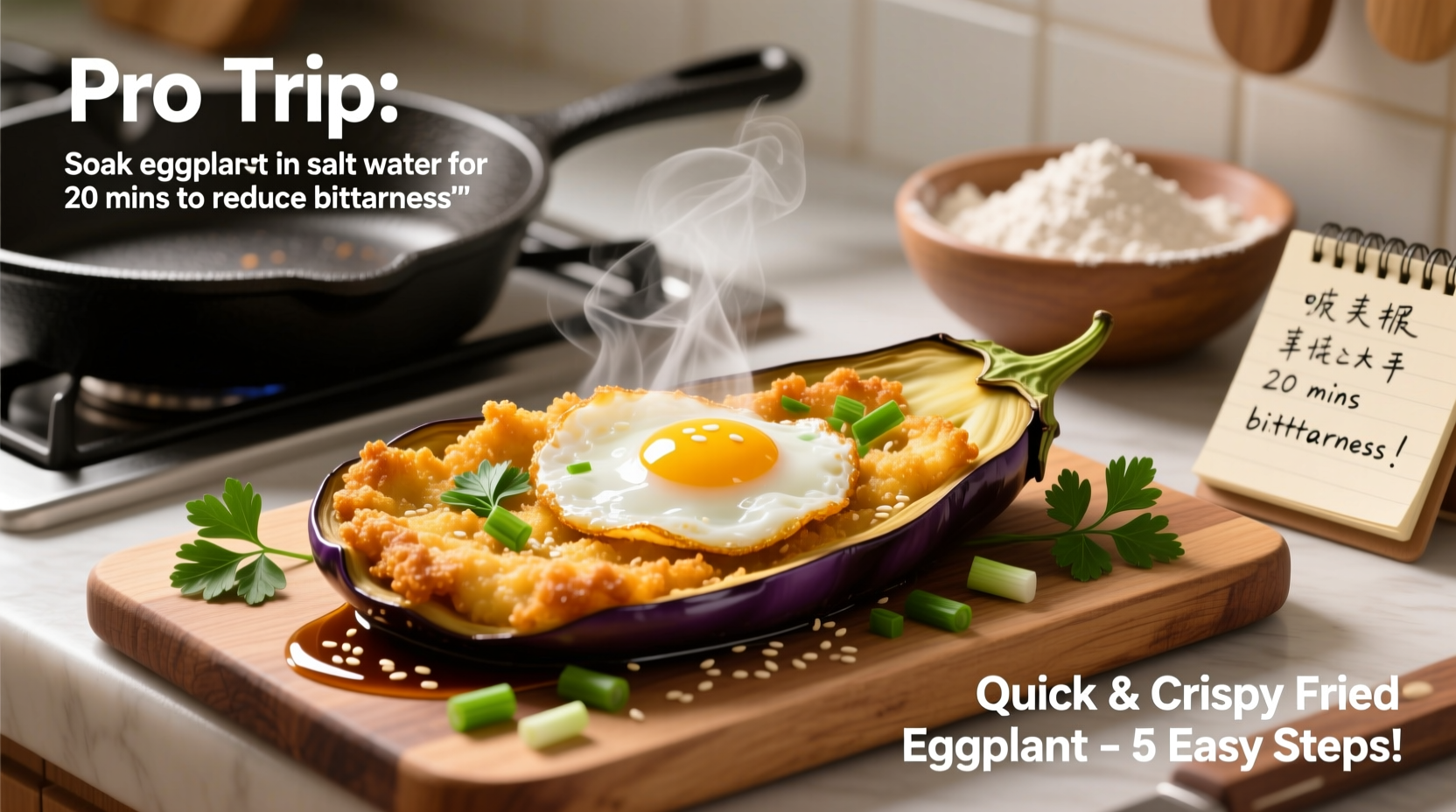
Eggplant has a spongy cellular structure that readily absorbs oil—a trait that can lead to greasy results if not managed. However, this same quality allows it to soak up flavors beautifully when properly prepped. The goal is to achieve browning without excess oil retention. High smoke-point oils like peanut, sunflower, or avocado oil work best. Shallow frying in a heavy skillet ensures even heat distribution and control over oil usage.
Step-by-Step Guide to Crispy Fried Eggplant
- Choose the right eggplant: Opt for medium-sized globe eggplants with smooth, taut skin. Avoid large, overripe ones with dull color or soft spots.
- Wash and slice: Cut off the stem and slice into ½-inch rounds or lengthwise planks. Uniform thickness ensures even cooking.
- Salt and drain: Lay slices on a wire rack or paper towels, sprinkle both sides with kosher salt, and let sit for 30 minutes. You’ll notice beads of moisture forming—this is excess water leaving the eggplant.
- Rinse and dry: Gently rinse off the salt under cold water and pat each slice thoroughly dry with clean towels. Moisture is the enemy of crispiness.
- Heat the oil: Pour ¼ inch of oil into a heavy skillet (cast iron works well) and heat over medium-high until shimmering—around 350°F (175°C).
- Fry in batches: Add slices in a single layer without crowding. Cook 3–4 minutes per side until deep golden brown. Adjust heat if browning too fast or too slow.
- Drain properly: Transfer cooked slices to a wire rack set over a baking sheet. This prevents steaming and keeps them crisp. Do not use paper towels alone—they trap steam.
Do’s and Don’ts of Frying Eggplant
| Do’s | Don’ts |
|---|---|
| Use a wire rack to drain fried slices | Overcrowd the pan during frying |
| Salt and drain eggplant ahead of time | Skip drying after salting—wet slices splatter and absorb more oil |
| Use high-smoke point oil | Re-use oil multiple times for eggplant—it degrades quickly due to starch release |
| Cook at consistent medium-high heat | Turn slices too early—wait until edges lift easily from the pan |
| Season after frying to avoid drawing out moisture | Store leftovers in a sealed container without ventilation—this creates sogginess |
Expert Insight: Why Salting Works
“Salting isn’t just about removing bitterness—it’s a textural game-changer. By pulling out water, you concentrate flavor and create a firmer matrix that resists oil saturation.” — Chef Lina Al-Masri, Culinary Instructor at Levantine Kitchen Institute
This osmotic process strengthens cell walls and reduces surface moisture, allowing for better browning via the Maillard reaction. While modern eggplants are bred to be less bitter, salting remains essential for optimal texture.
Variations and Serving Ideas
Once perfectly fried, eggplant becomes a versatile base for many dishes. Try these ideas:
- Mediterranean Style: Layer slices with garlic yogurt, chopped tomatoes, and fresh mint. Drizzle with olive oil and lemon juice.
- Asian-Inspired: Toss with a warm dressing of soy sauce, rice vinegar, sesame oil, and chili flakes. Garnish with scallions and toasted sesame seeds.
- Italian Stack: Alternate fried eggplant with tomato sauce, mozzarella, and basil. Bake briefly for a quick parmesan-style dish.
- Meze Platter: Serve at room temperature alongside hummus, olives, pita, and tzatziki.
Real Example: From Soggy to Spectacular
A home cook in Athens, Maria Kontos, used to avoid frying eggplant because her family complained it was “too oily.” After learning the salting and draining method from her grandmother, she transformed her version. She now prepares it weekly as part of a mezze spread. Her secret? Letting the salted slices sit in a colander weighted down with a plate to press out even more liquid. The result: lighter, crispier eggplant that her teenage son requests for lunch boxes.
Frequently Asked Questions
Can I bake instead of fry eggplant?
Yes, but results differ. Baking produces drier, leathery edges rather than the crisp crust achieved through frying. If baking, brush slices lightly with oil and roast at 425°F (220°C) on a wire rack for 25–30 minutes, flipping halfway. It’s healthier but less indulgent.
Is it necessary to peel eggplant before frying?
No. The skin contains fiber and antioxidants and holds the slice together during cooking. Only peel if using very large, mature eggplants with tough skin.
How long do fried eggplant slices keep?
Best eaten fresh, but leftovers can be refrigerated in an airtight container with parchment between layers for up to 3 days. Re-crisp in a 375°F (190°C) oven for 8–10 minutes. Freezing is not recommended due to texture loss.
Checklist for Success
- ☑ Select firm, medium-sized eggplants
- ☑ Slice uniformly (½ inch thick)
- ☑ Salt both sides and rest 30 minutes
- ☑ Rinse and pat dry thoroughly
- ☑ Heat oil to proper temperature (shimmering, not smoking)
- ☑ Fry in uncrowded batches
- ☑ Drain on a wire rack, not paper towels
- ☑ Season immediately after frying
- ☑ Serve warm or re-crisp before serving leftovers
Final Thoughts
Fried eggplant doesn’t have to be greasy or inconsistent. With the right prep—especially salting and drying—and attention to frying technique, it becomes a restaurant-quality dish you can confidently serve at home. Whether enjoyed simply with sea salt and lemon or incorporated into larger meals, this humble vegetable shines when treated with care. The method may take a little longer than tossing slices into hot oil, but the difference in texture and taste is unmistakable.




 浙公网安备
33010002000092号
浙公网安备
33010002000092号 浙B2-20120091-4
Comments
No comments yet. Why don't you start the discussion?