
The Chevrolet Camaro ZL1 is a high-performance muscle car built for power, precision, and presence. With its supercharged V8 engine and track-tuned suspension, it’s engineered to dominate both the street and the circuit. But even the most powerful machines benefit from visual refinement—and few upgrades transform a car’s look more than a well-chosen set of rims.
For ZL1 owners, selecting the right wheels isn’t just about aesthetics; it’s about balance. The ideal rim enhances the car’s muscular stance, improves grip and responsiveness, and maintains structural integrity under extreme conditions. Whether you're aiming for a show-ready finish or building a weekend warrior, choosing the best-looking rims means aligning form with function.
Why Wheel Choice Matters on the ZL1
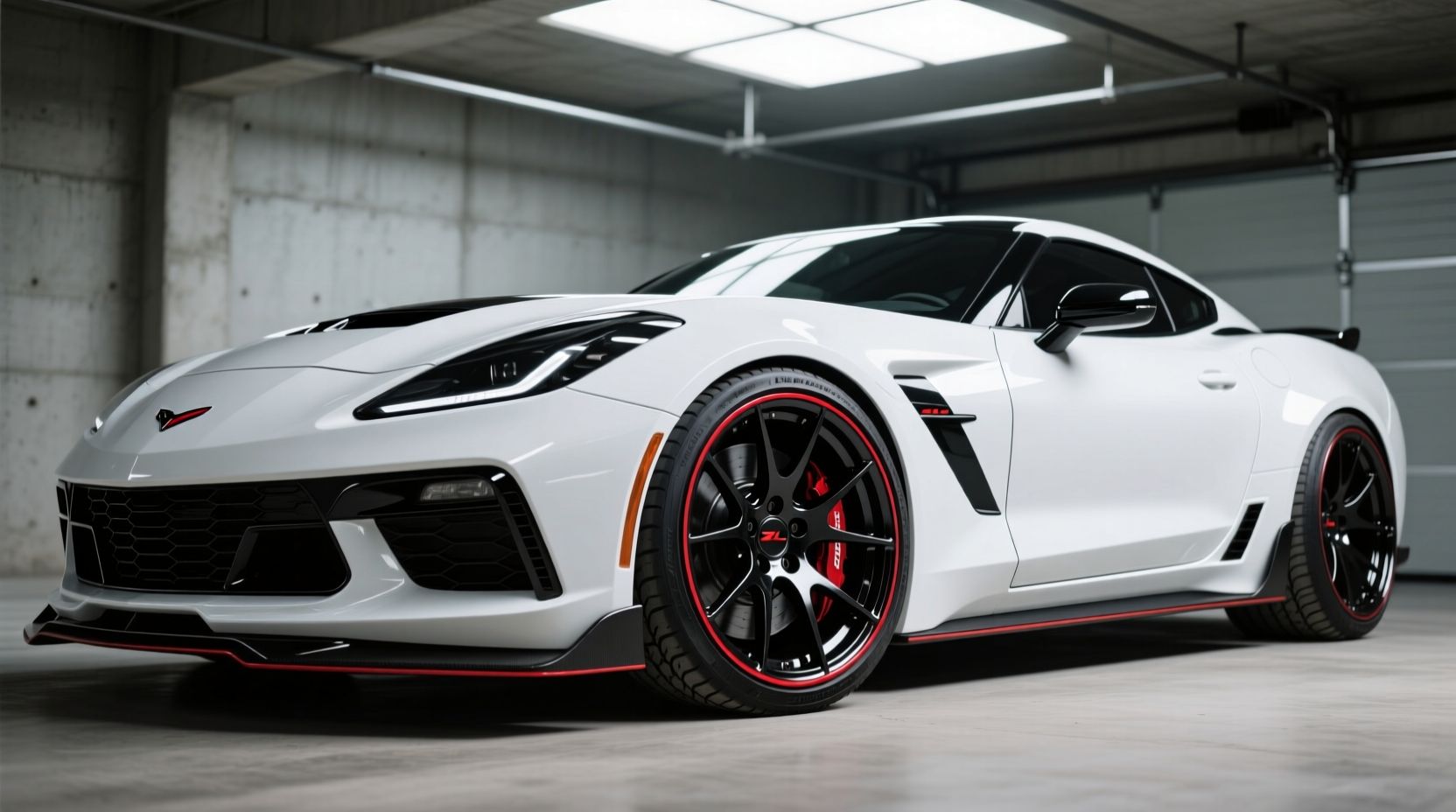
The ZL1 comes stock with 20-inch forged aluminum wheels—lightweight, strong, and designed for performance. But factory specs are just a starting point. Aftermarket rims offer opportunities to personalize your ride while potentially improving handling, reducing unsprung weight, and increasing brake clearance.
Aesthetic impact is immediate: wheel design influences how low the car appears, how wide the track looks, and how much visual aggression it projects. A deep-dish multi-spoke setup can give the ZL1 a sinister, planted look, while a split-spoke design might emphasize speed and sophistication.
Performance-wise, wheel choice affects acceleration, braking, and cornering. Lighter wheels reduce rotational mass, improving throttle response and stopping distance. Wider wheels allow for stickier tires, enhancing grip during hard launches or high-speed turns. However, oversized wheels can compromise ride comfort and increase strain on drivetrain components if not properly matched.
“On high-horsepower platforms like the ZL1, wheel selection is part of the tuning equation. It's not just cosmetics—it’s chassis dynamics.” — Marcus Tran, Performance Suspension Specialist at Apex Dynamics
Top Rim Designs That Elevate the ZL1’s Look and Function
When evaluating aftermarket rims, three factors stand out: design language, material quality, and dimensional compatibility. Below are five standout wheel models known for their combination of visual appeal and engineering excellence on the ZL1 platform.
| Wheel Model | Design Style | Size Range | Weight (lb) | Key Benefit |
|---|---|---|---|---|
| BBS FI-R | Forged multi-spoke | 20x10 / 20x12 | 23.5 | Track-proven strength & lightweight |
| Rotiform GPN | Sleek 5-spoke flow-formed | 20x10 / 20x12 | 26.1 | Modern concave profile |
| Advanti Racing SC9 | Ultra-concave 10-spoke | 20x11 / 20x13 | 24.8 | Aggressive fitment potential |
| Vossen CVT-1R | Twin Y-spoke, directional | 20x10.5 / 20x12.5 | 27.3 | Luxury-sport aesthetic |
| Forgeline GS3R | Customizable 3-piece forged | 20x11+ (custom) | 22.0 | Ultimate weight savings & fitment control |
Each of these options brings something unique. BBS and Forgeline cater to purists who prioritize race-bred engineering. Rotiform strikes a balance between street elegance and performance. Advanti and Vossen appeal to those seeking dramatic visual depth without sacrificing durability.
Fitment Guidelines for Maximum Impact
Choosing visually impressive rims means nothing if they don’t fit correctly. Improper offset, width, or diameter can lead to rubbing, speedometer inaccuracies, or even safety risks. Here’s a step-by-step guide to ensure optimal fitment:
- Determine your goal: Are you prioritizing flush fender alignment, maximum tire contact, or OEM+ styling?
- Select diameter: 20 inches maintain ride quality and clear factory brakes. Some run 19s for drag setups, but 21+ inch wheels risk harshness and curb damage.
- Choose width and offset: Front: 20x10 with +30 to +35 offset. Rear: 20x11 to 20x13 with +20 to +25 offset for slight poke without modification.
- Check tire stretch: Pair wider wheels with performance tires (e.g., 275/35R20 front, 315/30R20 rear). Avoid excessive stretch to prevent sidewall failure.
- Test clearance: Perform a full suspension compression test after installation. Turn lock-to-lock and drive over bumps to detect rubbing.
Many ZL1 owners achieve a “deep dish” effect by using lower offsets on the rear axle, creating a staggered, race-inspired stance. However, avoid pushing beyond -5mm offset without adjustable suspension or fender rolling.
Real-World Example: From Stock to Show-Stopping
Take the case of Derek M., a ZL1 owner in Austin, Texas. His 2023 Camaro arrived with standard black-painted 20-inch wheels—capable but understated. Wanting a sharper, European-inspired look without losing track readiness, he opted for Rotiform GPNs in gloss black with bronze accents.
He chose a staggered setup: 20x10 +32 front, 20x12 +22 rear. The deeper rear dish emphasized the ZL1’s wide hips, while the directional spokes drew attention to the Brembo calipers beneath. He paired them with Michelin Pilot Sport 4S tires and lowered the car slightly using H&R lowering springs.
Result? A daily driver that turns heads at car meets and still runs sub-12-second quarter miles. “People assume I track it every weekend,” Derek says. “But honestly, I just wanted it to look like it could.”
Essential Checklist Before Buying New Rims
- ✅ Confirm bolt pattern: 5x120
- ✅ Verify center bore: 70.3mm (use hub-centric rings if needed)
- ✅ Match load rating to vehicle weight (minimum 1,760 lbs per wheel)
- ✅ Choose forged or flow-formed over cast for better strength-to-weight ratio
- ✅ Ensure TPMS compatibility or budget for sensor transfer
- ✅ Align wheel width with intended tire size to avoid bulge or stretch
- ✅ Consider finish durability—matte black shows brake dust; chrome requires frequent cleaning
Frequently Asked Questions
Can I use non-OEM lug nuts on my ZL1?
Yes, but only if they match the required specifications: M14x1.5 thread pitch, conical seat (60-degree), and minimum grade 10.9 strength. Aftermarket lug nuts must be torque-rated for high-performance use to prevent loosening under stress.
Do larger rims hurt ZL1 performance?
They can, if improperly chosen. Wheels over 20 inches add rotational mass, which reduces acceleration and increases strain on suspension components. Stick to 20-inch unless you’re optimizing for drag (where lighter 18s may be better). Weight matters more than diameter—prioritize forged construction.
Are center caps necessary?
Not mechanically, but OEM and many aftermarket center caps house the TPMS sensor. Removing them without replacement can trigger dashboard warnings. Aftermarket wheels often include custom caps that integrate seamlessly.
Final Thoughts: Style Meets Substance
The best-looking rims for the ZL1 don’t just catch the eye—they complement the car’s purpose. Whether you lean toward the motorsport heritage of BBS, the modern flair of Rotiform, or the custom craftsmanship of Forgeline, the right wheels amplify what the ZL1 already does well: command attention and deliver exhilarating performance.
Remember, great style doesn’t come at the expense of reliability. By focusing on proper fitment, material quality, and balanced proportions, you can upgrade your ZL1’s appearance without compromising its driving dynamics.




 浙公网安备
33010002000092号
浙公网安备
33010002000092号 浙B2-20120091-4
Comments
No comments yet. Why don't you start the discussion?