
Cooking a fresh ham can be one of the most rewarding experiences in home cooking—when done right. Unlike its cured or smoked counterparts, a fresh ham is uncured pork from the hind leg of a pig and requires careful preparation to bring out its full potential. It’s leaner, milder in flavor, and demands attention to temperature, seasoning, and moisture control. But with the right techniques, you can transform this cut into a centerpiece dish that’s succulent, aromatic, and deeply satisfying.
The key lies not in complexity, but in understanding how to enhance the meat’s natural qualities through proper brining, seasoning, slow roasting, and glazing. Whether you're preparing a holiday meal or hosting a Sunday dinner, mastering fresh ham opens the door to impressive, restaurant-quality results without needing advanced skills.
Why Fresh Ham Deserves Your Attention
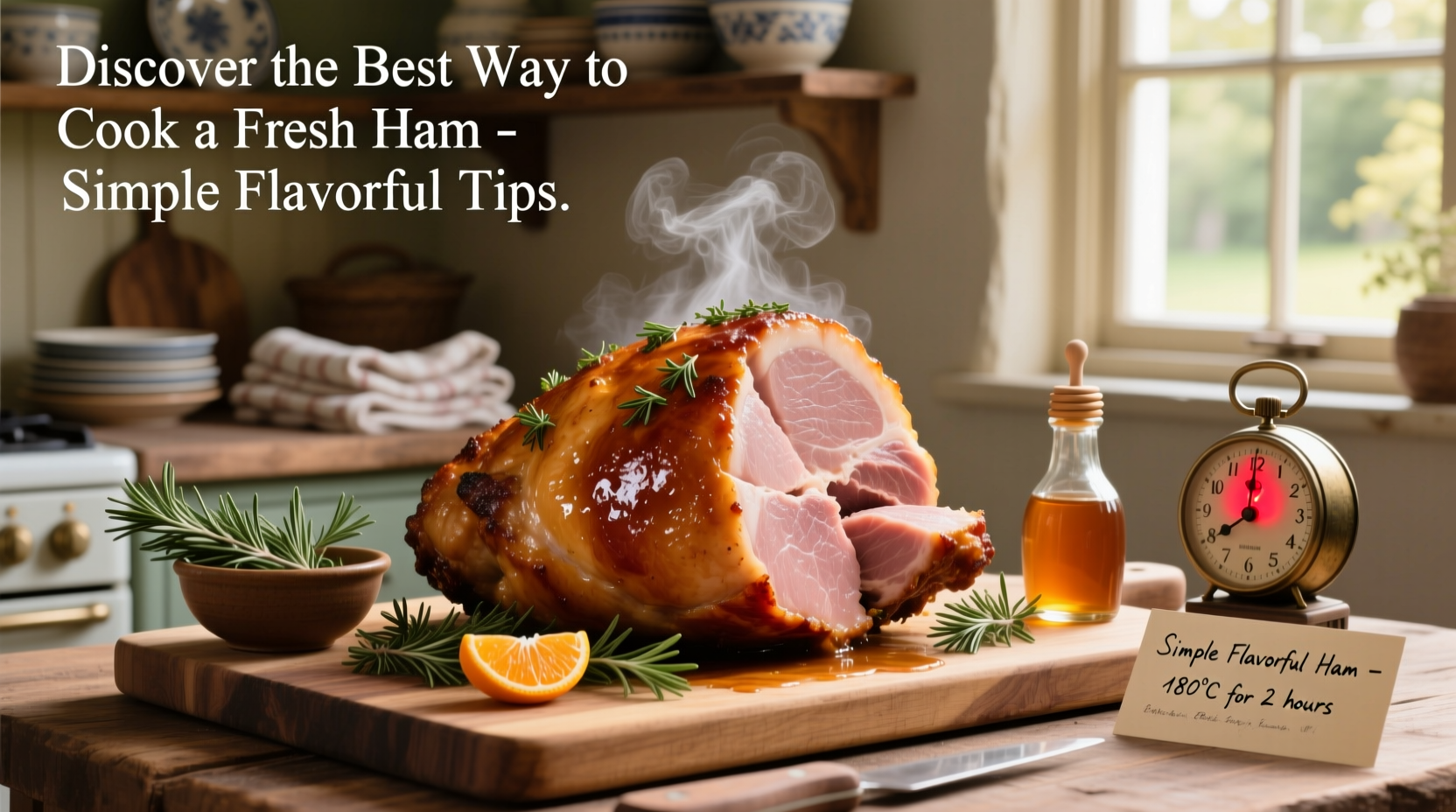
Fresh ham is often overlooked in favor of pre-cured versions, but it offers greater culinary flexibility. Without added nitrates or smoke flavor, it serves as a blank canvas for bold spices, herbs, and sweet-savory glazes. It also tends to be less salty, making it ideal for those monitoring sodium intake.
However, because it lacks the preservation and flavor infusion of curing, it must be cooked with intention. Overcooking leads to dryness; under-seasoning leaves it bland. The goal is to build layers of flavor while preserving moisture throughout the long cooking process.
“Fresh ham rewards patience. Low and slow cooking with a well-balanced seasoning profile brings out a depth of flavor that surprises even seasoned cooks.” — Chef Marcus Tran, Culinary Instructor at Midwest Institute of Food Arts
Step-by-Step Guide to Perfectly Cooked Fresh Ham
Follow this detailed timeline to ensure your fresh ham turns out juicy, evenly cooked, and full of flavor from edge to center.
- Choose the Right Cut: Look for a bone-in fresh ham (about 8–12 pounds). The bone enhances flavor and helps retain moisture during roasting.
- Brine for Flavor and Tenderness (Optional but Recommended): Submerge the ham in a cold brine (1 gallon water, 1 cup kosher salt, ½ cup brown sugar, herbs like thyme and rosemary, garlic, and peppercorns) for 12–24 hours in the refrigerator.
- Rinse and Pat Dry: After brining, rinse the ham thoroughly under cold water and pat dry with paper towels to ensure proper browning.
- Season Generously: Score the surface in a diamond pattern about ¼ inch deep. Rub with a paste made of minced garlic, Dijon mustard, fresh thyme, cracked black pepper, and olive oil. Push some seasoning into the scores.
- Preheat and Roast Low and Slow: Preheat oven to 325°F (163°C). Place ham on a rack in a roasting pan, fat-side up. Insert a meat thermometer into the thickest part, avoiding bone. Roast uncovered for approximately 18–22 minutes per pound.
- Baste Occasionally: Every 45 minutes, baste with pan juices or a mix of apple cider and broth to maintain moisture.
- Add Glaze in the Final Hour: When internal temperature reaches 130°F (54°C), brush on your preferred glaze—try brown sugar, orange juice, and whole-grain mustard—and continue roasting, basting every 15–20 minutes.
- Rest Before Slicing: Once the internal temperature hits 145°F (63°C), remove from oven, tent loosely with foil, and let rest for 20–30 minutes. This allows juices to redistribute.
Flavor-Boosting Tips for Maximum Taste
While technique matters, flavor development is what elevates a good ham to a memorable one. Here are proven ways to deepen taste and aroma:
- Layer seasonings: Combine wet rubs (mustard, oil, citrus) with dry spices (paprika, garlic powder, coriander) for multidimensional flavor.
- Incorporate aromatics: Place halved onions, crushed garlic cloves, carrots, and celery in the roasting pan. They infuse steam with flavor and create a rich base for gravy.
- Use fruit-based glazes: Apples, pineapple, oranges, or cherries add sweetness and acidity that balance the richness of the meat.
- Add a splash of liquid: Pour 1–2 cups of apple cider, chicken broth, or white wine into the bottom of the pan to prevent drippings from burning and to create steam.
- Finish with fresh herbs: After resting, garnish with chopped parsley, chives, or tarragon for brightness.
Do’s and Don’ts of Cooking Fresh Ham
| Do’s | Don’ts |
|---|---|
| ✔ Brine for enhanced juiciness and flavor | ✘ Skip the thermometer—guessing doneness leads to overcooking |
| ✔ Score the fat cap to help seasoning penetrate | ✘ Cover the ham too tightly during roasting—this traps excess moisture and prevents browning |
| ✔ Let the ham rest before slicing | ✘ Apply glaze too early—it will burn before the ham is fully cooked |
| ✔ Baste regularly for a moist crust | ✘ Use high heat to speed up cooking—it dries out the meat |
| ✔ Save the bones and scraps for soup or beans | ✘ Slice when hot—wait until rested for cleaner cuts |
A Real Kitchen Success Story
Sarah Thompson, a home cook from Portland, Oregon, had always avoided fresh ham, assuming it was too difficult. “I’d only ever bought spiral-cut hams,” she said. “But last Easter, I decided to try a bone-in fresh ham using a citrus-garlic rub and a honey-mustard glaze.”
She followed a low-and-slow method, brined the ham for 18 hours, and used a digital thermometer to track progress. “The house smelled incredible after two hours. When we sliced it, the meat was pink, juicy, and packed with flavor. My kids—who usually avoid ‘fancy’ meat—asked for seconds.”
Sarah now makes fresh ham twice a year and keeps the leftover bone to simmer with beans for a hearty stew. “It’s easier than I thought, and so much more rewarding than buying something pre-cooked.”
Essential Checklist for Cooking Fresh Ham
- ☐ Select a bone-in fresh ham (8–12 lbs)
- ☐ Prepare a brine (optional but recommended)
- ☐ Score the fat cap in a diamond pattern
- ☐ Make a flavorful rub or paste
- ☐ Set up roasting pan with rack and aromatics
- ☐ Insert meat thermometer into thickest part
- ☐ Roast at 325°F, basting every 45 minutes
- ☐ Glaze during the final hour of cooking
- ☐ Rest for 20–30 minutes before slicing
- ☐ Store leftovers properly or freeze for later use
Frequently Asked Questions
Can I cook a fresh ham in a slow cooker?
Yes, but only for smaller cuts (under 6 pounds). Brown the outside first, then cook on low for 6–8 hours until it reaches 145°F internally. However, you won’t achieve the same browning or crisp exterior as with oven roasting.
What’s the difference between fresh ham and picnic ham?
Fresh ham comes from the hind leg and is typically larger and leaner. Picnic ham is from the front shoulder, has more connective tissue, and benefits from longer, slower cooking. While both are uncured, they differ in texture and shape.
How long do leftovers last?
Sliced fresh ham lasts 3–4 days in the refrigerator when stored in an airtight container. For longer storage, freeze portions for up to 3 months. Reheat gently in broth to preserve moisture.
Final Thoughts: Elevate Your Home Cooking
Cooking a fresh ham isn’t just about feeding a crowd—it’s about craftsmanship, patience, and celebrating real food. With simple ingredients and mindful technique, you can produce a dish that feels luxurious yet approachable. The aroma that fills your kitchen, the golden-brown crust, the tender pull of the meat—these are the moments that make home cooking meaningful.
Don’t wait for a special occasion to try it. A well-cooked fresh ham can become a signature dish, remembered by family and guests alike. And once you master the basics, the possibilities for flavor variations are endless—from maple-chipotle to herbed citrus, the next great version is yours to invent.




 浙公网安备
33010002000092号
浙公网安备
33010002000092号 浙B2-20120091-4
Comments
No comments yet. Why don't you start the discussion?