
Baking the perfect apple pie starts long before the oven heats up—it begins at the grocery store or farmers market, where the right apple can make all the difference. Not all apples behave the same under heat, and choosing one that holds its shape, balances sweetness with acidity, and contributes to a rich flavor profile is essential. From tender Honeycrisps to tart Granny Smiths, each variety brings something unique to the table. Understanding which apples work best—and why—can elevate your pie from good to unforgettable.
The Science Behind the Perfect Pie Apple
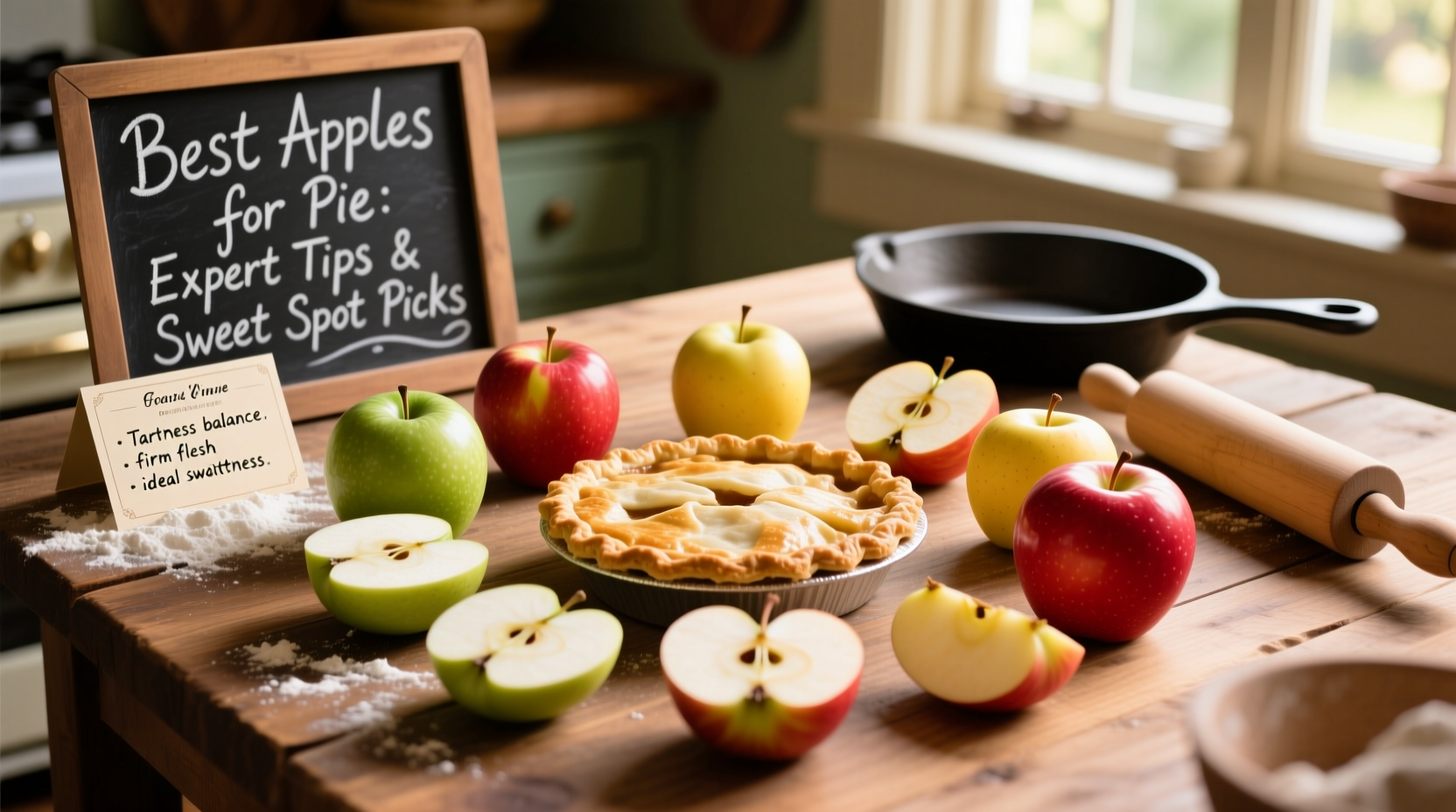
When apples are baked, their cell walls break down, releasing moisture and softening the flesh. The goal in pie-making is not complete disintegration but a tender-yet-structured bite that holds together without turning to mush. This balance hinges on two key factors: pectin content and acidity.
Pectin is a natural fiber found in fruit that acts as a gelling agent. Apples high in pectin, like Granny Smith and Northern Spy, maintain their structure better during baking. Acidity, meanwhile, enhances flavor complexity and prevents the pie from tasting cloyingly sweet. A pie made entirely with overly sweet apples may taste flat, while one with too much tartness can be harsh without balance.
“Great apple pie isn’t about one single variety—it’s about layering textures and tastes. Think of it like composing music: you need harmony between sweet, tart, firm, and soft.” — Chef Lydia Monroe, Pastry Instructor at New England Culinary Institute
Top 5 Apples for Pie (And Why They Work)
While personal preference plays a role, certain varieties consistently outperform others in blind taste tests and professional kitchens. Here's a breakdown of the top contenders:
| Apple Variety | Texture When Baked | Sweetness Level | Best For |
|---|---|---|---|
| Granny Smith | Firm, holds shape well | Tart | Classic pies, balancing sweetness |
| Honeycrisp | Crisp-tender, slightly juicy | Sweet with mild tartness | Modern blends, family-friendly flavor |
| Braeburn | Firm, slow to break down | Balanced sweet-tart | Spiced pies, long bake times |
| Jonagold | Softens slightly, retains integrity | Medium-sweet with bright acidity | Complex flavor profiles |
| Empire | Softer, breaks down moderately | Mildly sweet | Blends, adding juiciness |
No single apple is perfect on its own. That’s why many bakers use a blend—typically combining a tart, firm apple with a sweeter, juicier one for depth and balance.
The Sweet Spot: Creating the Ideal Apple Blend
The most acclaimed apple pies often use a combination of at least two varieties. This approach ensures a dynamic mouthfeel and layered taste. A common professional method is the “two-thirds firm, one-third soft” rule:
- Two-thirds firm apples: Provide structure (e.g., Granny Smith, Braeburn, Northern Spy).
- One-third softer apples: Add natural sweetness and juice (e.g., McIntosh, Cortland, Empire).
This ratio allows the pie to hold its shape when sliced while still delivering a moist, flavorful filling. Over-relying on soft apples can result in a soupy mess; using only firm ones might leave the filling too dense.
A Real-World Example: The Farmer’s Market Test
At the Green Valley Farmers Market, baker Maria Ruiz tested five different apple combinations over three weekends. Her control was 100% Granny Smith. While praised for tartness, customers noted it lacked depth. Her winning blend? 50% Granny Smith, 30% Honeycrisp, and 20% Jonagold. Tasters described it as “bright, balanced, and comforting”—exactly the profile she aimed for. Sales increased by 40% after switching to the blend.
Step-by-Step Guide to Choosing and Preparing Your Apples
Follow this timeline to ensure your apples deliver optimal results in your next pie:
- 1–2 Weeks Before Baking: Source fresh, in-season apples. Late September through November offers peak availability for most pie-worthy varieties.
- Day of Baking: Wash and peel apples (peeling ensures a smoother texture, though some rustic pies keep skins on for fiber and color).
- Core and Slice: Cut into even ¼-inch slices to promote uniform cooking. Uneven pieces lead to some being mushy while others remain undercooked.
- Toss with Seasonings: Combine apples with sugar, cinnamon, lemon juice, and a thickener like cornstarch or tapioca. Lemon juice preserves color and enhances tartness.
- Rest 15 Minutes: Let the mixture sit so juices begin to release and flavors meld.
- Fill and Bake: Transfer to crust, top, vent, and bake according to recipe. Use a pie shield if edges brown too quickly.
Common Mistakes and How to Avoid Them
- Using only Red Delicious: These apples turn mealy when baked and lack flavor intensity. Avoid them for pies.
- Skipping the pre-toss rest: Without resting, sugars and spices don’t penetrate the fruit evenly.
- Overloading the pie: Too much filling causes bubbling over and uneven baking. Leave about ½ inch of space below the rim.
- Baking at too low a temperature: Apples need sufficient heat (usually 375°F–400°F) to cook through and caramelize properly.
FAQ
Can I use Golden Delicious in pie?
Yes, but with caution. Golden Delicious softens significantly when baked, so they’re best used in blends—no more than one-third of the total mix—to add sweetness without sacrificing structure.
Do I have to peel the apples?
Peeling is recommended for a refined texture, especially in traditional double-crust pies. However, leaving skins on can add nutrients, color, and a rustic feel. If keeping skins, choose varieties with thinner skins like Honeycrisp or Jonagold.
How do I prevent a soggy bottom crust?
Several strategies help: pre-bake the bottom crust (blind baking), use a thickener in the filling, bake on a preheated baking sheet to boost heat from below, and avoid overfilling. Tapioca starch tends to create a clearer, firmer gel than flour, reducing leakage.
Checklist: Apple Pie Success in 7 Steps
- ☐ Choose a blend of firm and juicy apples (e.g., Granny Smith + Honeycrisp)
- ☐ Slice apples uniformly (¼-inch thick)
- ☐ Toss with sugar, spices, lemon juice, and thickener
- ☐ Let filling rest for 15 minutes
- ☐ Preheat oven and baking sheet
- ☐ Use a pie shield or foil to protect crust edges
- ☐ Cool pie for at least 2 hours before slicing to set filling
Final Thoughts and Call to Action
The secret to an exceptional apple pie lies not in a secret ingredient, but in thoughtful selection and preparation. By understanding how different apples behave and combining them intentionally, you gain control over texture, flavor, and overall quality. Whether you're baking for a holiday gathering or a quiet Sunday treat, taking the time to pick the right apples—and prepare them properly—transforms a simple dessert into a memorable experience.




 浙公网安备
33010002000092号
浙公网安备
33010002000092号 浙B2-20120091-4
Comments
No comments yet. Why don't you start the discussion?