
A wallet is more than just a place to hold cash and cards—it’s one of the most frequently used accessories in daily life. Whether pulled out at a coffee shop, handed over during a business meeting, or glimpsed when reaching for change, your wallet speaks volumes before you say a word. Yet, many people choose wallets based on convenience or price alone, overlooking how deeply this small object can reflect identity, taste, and intention.
Choosing a wallet that aligns with your personal style isn’t about chasing trends. It’s about understanding your habits, aesthetic preferences, and values—then finding an accessory that supports them seamlessly. From minimalist bi-fold designs to artisanal leather trifold models, the right wallet becomes an extension of who you are.
Understand Your Lifestyle Needs First
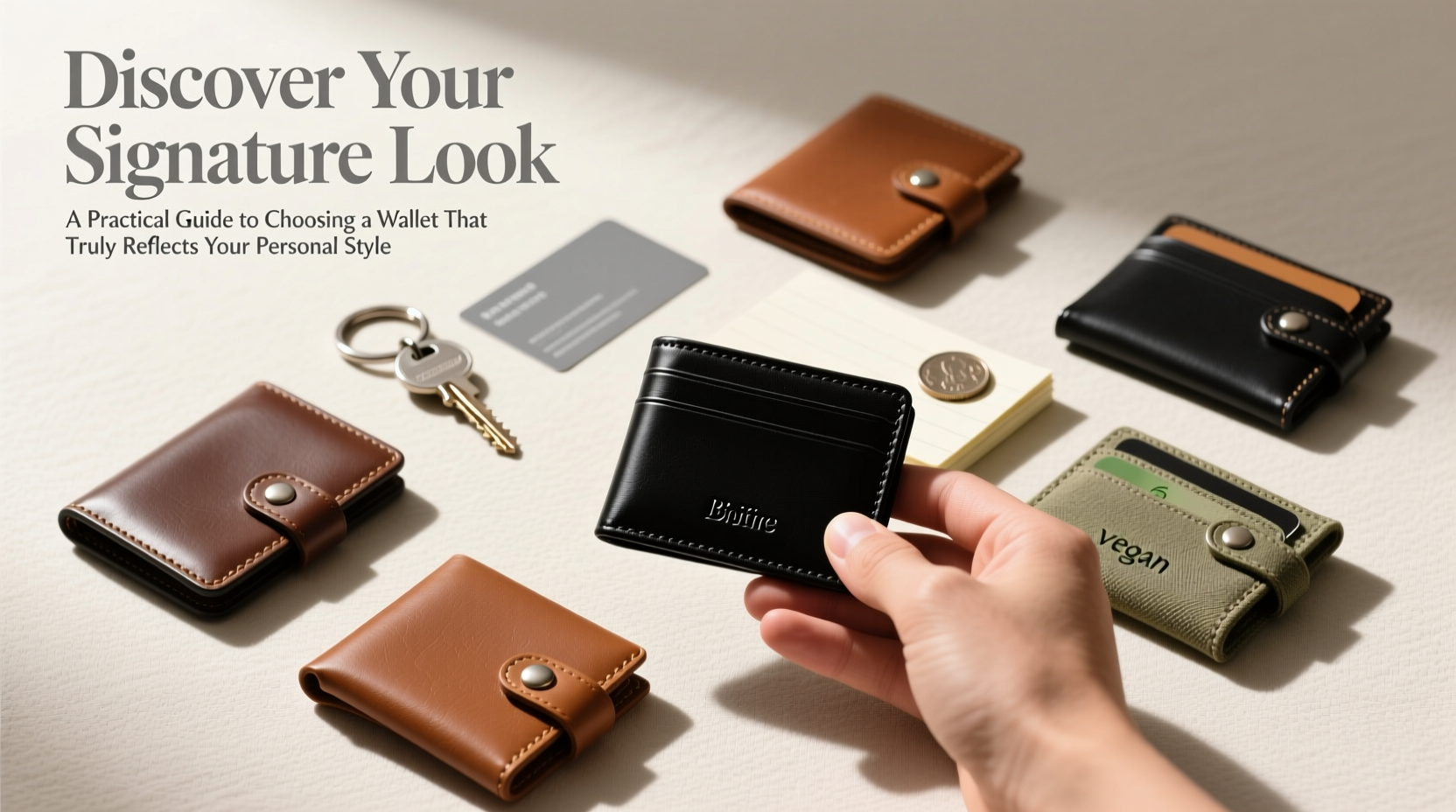
Before considering aesthetics, evaluate how you use your wallet. A designer engineer carrying only two cards and some folded bills has different needs than a sales executive managing multiple loyalty cards, IDs, and receipts.
Start by asking yourself a few key questions:
- Do I carry cash regularly, or am I mostly digital?
- How many cards do I need immediate access to?
- Do I prefer front-pocket or back-pocket carry?
- Am I prone to overstuffing, or do I keep things minimal?
Your answers will determine whether a slim cardholder, bifold, trifold, or even a money clip setup makes the most sense. For example, frequent travelers might benefit from RFID-blocking wallets with international currency compartments, while urban professionals may prioritize sleek profiles that don’t disrupt tailored trousers.
The Materials That Speak to You
Material choice is where personal expression begins. Each type of material carries its own character, maintenance needs, and lifespan.
| Material | Characteristics | Best For |
|---|---|---|
| Full-Grain Leather | Durable, ages beautifully, develops patina | Those who value craftsmanship and long-term ownership |
| Top-Grain Leather | Lighter, more affordable, less natural texture | Budget-conscious buyers seeking a polished look |
| Woven Fabric (e.g., nylon, canvas) | Water-resistant, lightweight, modern | Active lifestyles, tech-forward users |
| Metal (Titanium, Aluminum) | Ultra-durable, secure, minimalist | Security-focused individuals, EDC enthusiasts |
| Vegan Leather / Cork / Recycled Materials | Eco-friendly, cruelty-free, innovative textures | Sustainable fashion advocates |
Leather remains a favorite among style purists not just for its elegance, but because it evolves. Over months and years, full-grain leather softens, darkens slightly, and acquires unique marks—each telling a quiet story of use and care.
“Your wallet should age like a good book—worn in all the right places, showing where it’s been without losing its purpose.” — Julian Reed, Accessory Designer & Craftsmanship Advocate
Design Elements That Define Personality
Once function and material are aligned, focus shifts to design—the subtle cues that signal individuality.
Consider these elements:
- Stitching: Contrast stitching adds flair; saddle-stitched construction indicates handcrafted quality.
- Hardware: Brass snaps develop a warm glow; matte black zippers suggest understated modernity.
- Color: Classic black conveys professionalism; burgundy or tan hints at warmth and approachability; bold colors or patterns make a statement.
- Engraving or Monogramming: Adds a deeply personal touch—ideal for gifts or heirloom pieces.
A minimalist aluminum wallet with clean lines suits someone who values efficiency and order. In contrast, a hand-tooled leather bi-fold with intricate edge painting appeals to those who appreciate artistry and tradition.
Mini Case Study: The Shift from Corporate to Creative
Mark worked in finance for ten years, always using a slim black leather wallet from a mainstream brand. When he transitioned into freelance design, he found his old wallet felt incongruent with his new identity—efficient but impersonal.
He switched to a handmade vegetable-tanned bi-fold with a subtle geometric tooling pattern along the edge. The wallet required no advertising label, yet clients often noticed it during meetings. “It started conversations,” Mark said. “People asked where I got it. It became part of my story.”
This shift wasn’t about luxury—it was about alignment. His new wallet reflected a slower, more intentional way of working and living.
A Step-by-Step Guide to Finding Your Signature Wallet
Follow this five-step process to ensure your wallet resonates with both practicality and personality:
- Assess Your Daily Carry: Empty your current wallet. Count essential items. Remove anything unnecessary. This defines your ideal size.
- Choose Your Material Priority: Decide whether durability, sustainability, weight, or aging matters most to you.
- Define Your Aesthetic: Look at your wardrobe. Are you classic, modern, rugged, or eclectic? Match your wallet’s tone to your dominant style.
- Test Real-World Comfort: Try carrying sample sizes in your pocket. Note any bulging, sagging, or discomfort after a day’s use.
- Add a Personal Touch: Opt for monogramming, custom lining, or a unique colorway to make it unmistakably yours.
Common Mistakes to Avoid
- Buying too large \"just in case\": Leads to clutter and pocket distortion.
- Ignoring closure mechanisms: Zippered wallets protect contents but slow access; open designs risk losing cards.
- Focusing only on brand names: A logo doesn’t guarantee fit or longevity.
- Overlooking RFID protection: Essential if you carry contactless cards in high-theft areas.
FAQ
How long should a quality wallet last?
A well-maintained full-grain leather wallet can last 5–10 years or more. Even fabric or metal wallets from reputable brands typically endure 3–7 years with regular use.
Is it worth investing in a handmade wallet?
If you value uniqueness, superior materials, and ethical production, yes. Handmade wallets often use better-cut leather, reinforced stitching, and attention to detail rarely found in mass-produced versions.
Can my wallet affect my posture or comfort?
Absolutely. Thick or oversized wallets in back pockets can contribute to sciatica or pelvic misalignment over time. Opt for slimmer profiles or consider a front-pocket carry for better ergonomics.
Build a Wardrobe of Accessories That Reflect You
Your wallet doesn’t exist in isolation. It interacts with your watch, shoes, bag, and even phone case. Consider building coherence across these items—not through matching sets, but through shared principles.
For instance, if you favor natural materials, pair a walnut wood watch with a cork wallet. If you lean into urban minimalism, coordinate a titanium wallet with a matte black backpack and monochrome sneakers.
Cohesion isn’t about uniformity—it’s about consistency of intent.
- ✓ Audit what you currently carry
- ✓ Identify your primary use case (daily driver, travel, formal)
- ✓ Select preferred material based on values (eco, durability, aesthetics)
- ✓ Narrow down style: minimalist, traditional, modern, artisanal
- ✓ Test comfort in real-life carry
- ✓ Add personalization (engraving, color, lining)
- ✓ Purchase from a trusted maker or brand with warranty
Final Thoughts: Let Function Meet Identity
In a world of disposable products, choosing a wallet that lasts—and means something—is a quiet act of intention. It says you pay attention not just to appearance, but to experience, ethics, and evolution.
Your signature look isn’t defined by a single item. But when every piece you carry feels deliberate, the whole picture comes into focus. Start with your wallet. Let it be useful, beautiful, and unmistakably yours.




 浙公网安备
33010002000092号
浙公网安备
33010002000092号 浙B2-20120091-4
Comments
No comments yet. Why don't you start the discussion?