
Dishwashers are designed to make kitchen cleanup effortless, but when detergent fails to dissolve properly, the results can be frustrating—residue on dishes, cloudy glassware, and lingering food particles. This common issue often stems from overlooked factors in loading habits, water conditions, or machine maintenance. Understanding the root causes and applying targeted fixes ensures your dishwasher operates at peak efficiency.
Why Detergent Fails to Dissolve: Key Causes
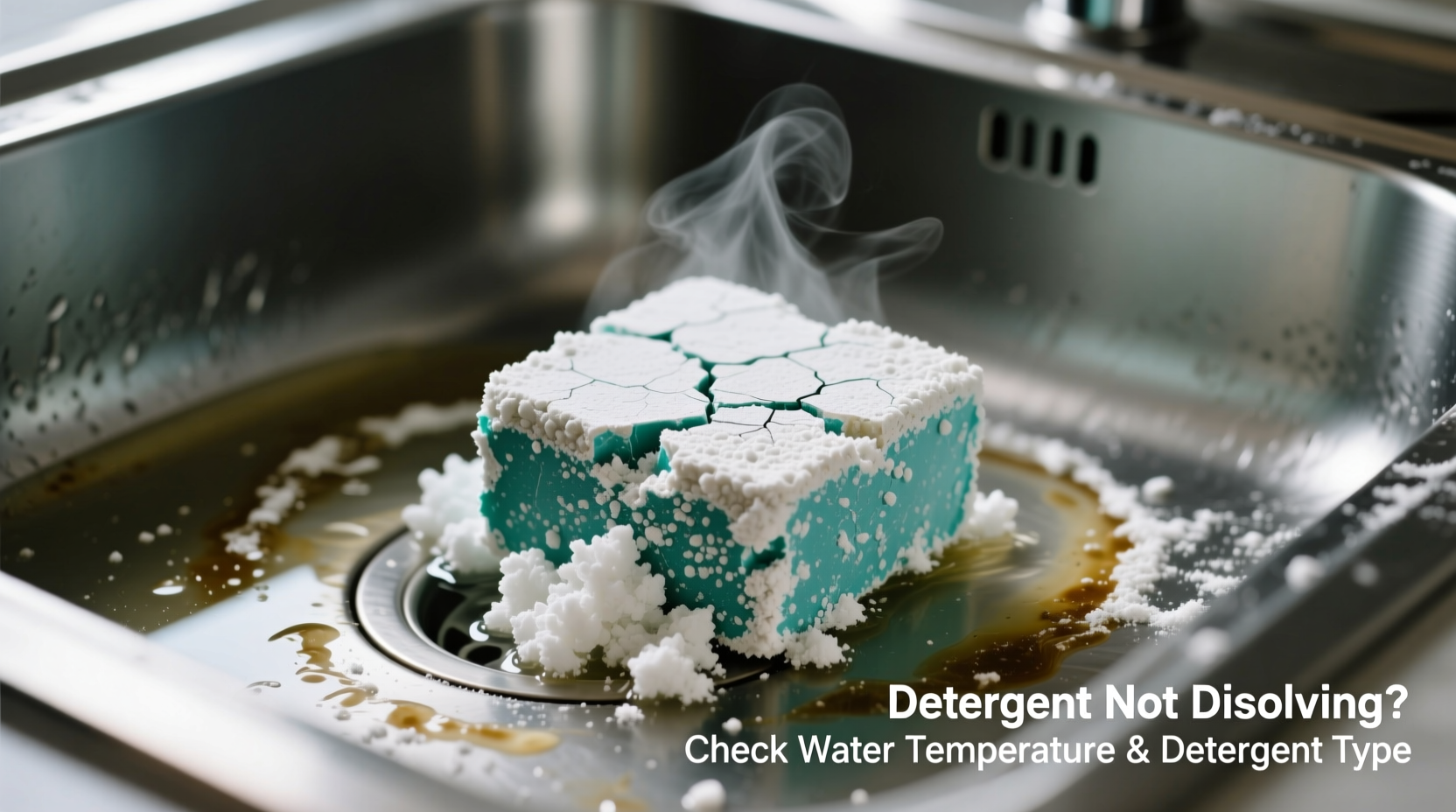
Detergent not dissolving is rarely due to a single factor. It's typically the result of a combination of mechanical, chemical, and operational issues. Identifying these early prevents long-term damage to your appliance and improves cleaning outcomes.
- Low water temperature: Dishwasher detergents require hot water (ideally above 120°F) to activate and dissolve. If the incoming water is too cold, the detergent remains clumped or powdery.
- Poor water circulation: Blocked spray arms or overcrowded racks restrict water flow, preventing detergent from dispersing evenly.
- Expired or low-quality detergent: Old tablets or pods lose their solubility over time. Similarly, off-brand detergents may use inferior binding agents that resist dissolution.
- Humidity exposure: Moisture causes detergent to clump before use, especially in humid environments or if stored improperly.
- Clogged dispenser: Residue buildup in the detergent drawer can prevent proper release during the wash cycle.
“Detergent performance hinges on three things: water temperature, formulation quality, and proper dispensing mechanics.” — Dr. Linda Park, Appliance Efficiency Researcher, National Home Labs
Step-by-Step Guide to Fix Undissolved Detergent
Follow this systematic approach to diagnose and resolve the issue permanently.
- Check your water heater setting. Ensure it’s set to at least 120°F. Test the temperature by running hot water from the sink closest to the dishwasher and using a thermometer. If below 120°F, adjust the heater accordingly.
- Inspect the detergent dispenser. Open the drawer and look for clogs, soap scum, or stuck doors. Clean with warm vinegar and a soft brush. Manually test the spring mechanism to ensure it opens freely during the cycle.
- Verify detergent storage. Store pods and powder in a cool, dry place with the lid sealed tightly. Avoid keeping them under the sink where humidity fluctuates.
- Examine spray arms. Remove both upper and lower arms and check for debris in the holes. Rinse under running water and reattach securely.
- Run a cleaning cycle. Place a cup of white vinegar on the top rack and run a hot cycle without dishes. Follow with a half-cup of baking soda on the bottom rack for deep deodorizing and residue removal.
- Reassess loading practices. Avoid blocking the detergent drawer or covering the center of tablet holders with large utensils.
Do’s and Don’ts: Detergent Handling Best Practices
| Do’s | Don’ts |
|---|---|
| Use fresh, high-quality detergent within its expiration date | Store detergent in damp cabinets or near steam sources |
| Load detergent only right before starting the cycle | Pre-load detergent hours in advance, especially in humid climates |
| Choose detergent types suited to your water hardness | Use laundry detergent or hand soap as substitutes |
| Regularly clean the detergent drawer and door seal | Ignore visible residue or film inside the dispenser |
| Run dishwashers with full loads to maintain heat retention | Run half-empty cycles frequently, which reduce internal temperature |
Mini Case Study: The Johnson Family’s Persistent Film Problem
The Johnsons in Portland, Oregon, noticed a chalky film on their glasses and undissolved detergent at the end of every cycle. They used a popular brand of pods and ran their dishwasher nightly. After ruling out faulty detergent, they tested their water temperature and found it was only 105°F—too low for effective activation.
They adjusted their water heater and began pre-rinsing the detergent dispenser monthly. Within a week, the film disappeared and detergent dissolved completely. A follow-up call to their utility provider revealed that their previous “energy-saving” setting had inadvertently lowered the baseline temperature. This real-world example underscores how environmental settings and appliance interactions impact performance.
Solutions by Detergent Type
Not all detergents behave the same. Tailor your approach based on the form you use.
- Powder: Most sensitive to moisture and water temperature. Always measure precisely and avoid overfilling the dispenser.
- Tablets: Can fail to dissolve if the protective coating resists water. Look for brands labeled “fast-dissolve” or “low-temp activated.” Break larger tablets only if manufacturer-approved.
- Pods: Highly effective but vulnerable to humidity. Never touch with wet hands and store in original packaging until use.
- Gels: Less prone to clumping but can separate over time. Shake bottles well before pouring and avoid mixing with other types.
Preventive Maintenance Checklist
Stay ahead of issues with this monthly checklist:
- ✅ Clean the filter located at the bottom of the tub
- ✅ Inspect and flush spray arm holes
- ✅ Wipe down the door gasket to remove mold or grime
- ✅ Run a vinegar cycle to clear limescale
- ✅ Check the inlet screen for blockages
- ✅ Verify detergent drawer moves freely and closes properly
- ✅ Confirm water temperature at start of cycle
FAQ
Can I use regular dish soap in my dishwasher?
No. Regular dish soap creates excessive suds that can overflow and damage internal components. Only use detergents specifically formulated for dishwashers.
Why does my detergent tablet stay intact after the cycle?
This usually means the water wasn’t hot enough, the tablet was blocked from water contact, or the dispenser didn’t open. Also, some tablets are designed to dissolve slowly through multiple phases—check manufacturer instructions.
Is undissolved detergent harmful to my dishwasher?
Yes. Over time, residue can clog filters, coat heating elements, and degrade seals. It may also leave behind chemicals that affect future cleaning cycles. Address the issue promptly to protect your appliance.
Conclusion
Undissolved dishwasher detergent is more than a minor annoyance—it signals underlying issues that compromise cleanliness and appliance longevity. By addressing water temperature, detergent quality, and machine hygiene, you restore optimal function and achieve consistently spotless results. These fixes are simple, cost-effective, and within reach of any homeowner.




 浙公网安备
33010002000092号
浙公网安备
33010002000092号 浙B2-20120091-4
Comments
No comments yet. Why don't you start the discussion?