
Keeping your cat well-groomed is essential for their health and comfort. But many cats resist brushing, nail trimming, or even being handled—especially in unfamiliar environments. A grooming restraint bag can help reduce stress during grooming sessions by providing gentle containment while still allowing access to paws, head, and tail. Instead of purchasing an expensive commercial model, you can create a functional, breathable, and cat-friendly grooming bag at home using simple materials. This guide walks you through the entire process—from planning and material selection to final stitching—with expert-backed tips for safety and comfort.
Why Make a DIY Cat Grooming Bag?
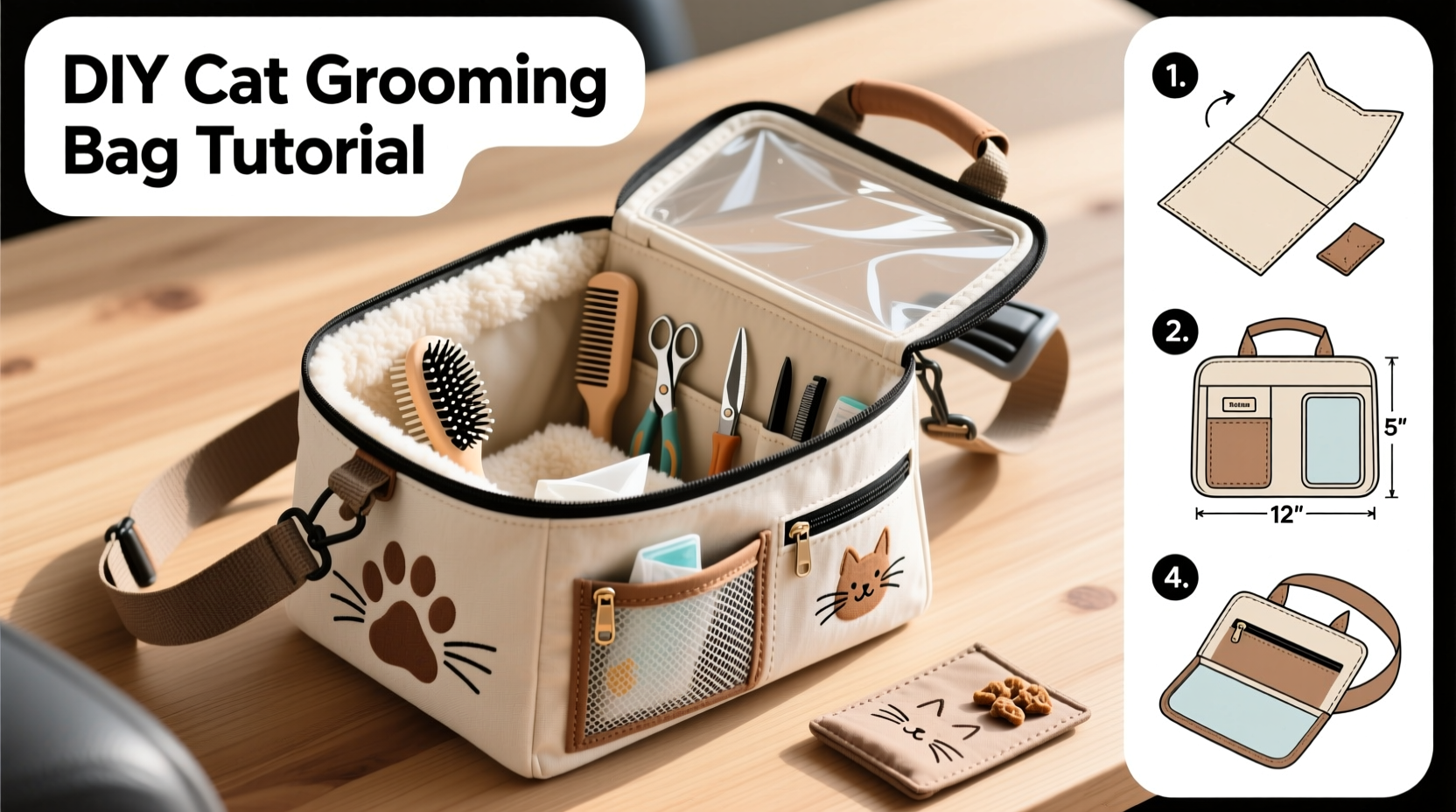
Commercial grooming bags range from $30 to over $100 and may not suit every cat’s size or temperament. By making your own, you gain full control over fit, fabric breathability, and structural support. A well-designed homemade bag ensures your cat feels secure without overheating or panicking. It also allows customization based on your cat’s unique needs—whether they’re large, anxious, or have special medical requirements requiring frequent handling.
“Restraint tools aren’t about force—they’re about safety. When used correctly, a grooming bag reduces injury risk for both the cat and handler.” — Dr. Lena Torres, Feline Behavior Specialist
Materials and Tools You’ll Need
The success of your DIY grooming bag hinges on choosing the right materials. Prioritize durability, ventilation, and ease of cleaning. Below is a checklist of everything required:
Essential Materials:
- Durable cotton canvas or upholstery-grade polyester (1 yard)
- Breathable mesh fabric (6” x 12” piece)
- Two 1-inch-wide nylon webbing straps (each 24 inches long)
- Plastic snap buttons or Velcro® strips (for closures)
- Reinforcement interfacing (optional, for added structure)
- Thread (polyester, heavy-duty)
Tools Required:
- Sewing machine with heavy-duty needle
- Scissors or rotary cutter
- Measuring tape and fabric chalk
- Pins or clips
- Seam ripper (for corrections)
Step-by-Step Construction Guide
Follow these steps carefully to build a safe, effective grooming bag tailored to your cat’s dimensions. Always measure your cat first—length from neck to base of tail, chest girth, and leg span—to ensure proper fit.
- Measure and cut main body panels: Cut two identical rectangular pieces from canvas (e.g., 18” x 10” for average adult cats). These form the front and back of the bag.
- Create armhole openings: On one panel, mark two 3-inch diameter circles centered 3 inches from the top and 3 inches apart. Cut them out carefully—these allow groomer access to limbs.
- Add ventilation window: On the same panel, cut a 5” x 7” rectangle near the top for the face opening. Cover it later with mesh fabric for airflow and visibility.
- Cut and attach mesh: Place the mesh over the face opening on the inside and sew around three sides. Fold edges under and stitch closed to avoid fraying.
- Assemble side seams: Place the two main panels right-sides together. Sew along both long edges and the bottom edge using a ½-inch seam allowance. Turn right-side out.
- Install shoulder straps: Attach nylon webbing to the top corners inside the bag using box stitches for strength. Straps should rest over your shoulders when worn.
- Add closure system: Sew snap buttons or Velcro® along the top open edge so you can secure the cat gently but firmly.
- Finish edges: Hem all raw edges with a zigzag or overlock stitch to prevent wear.
Design Considerations for Safety and Comfort
A poorly designed grooming bag can increase anxiety or restrict breathing. The following table outlines key do’s and don’ts for optimal results.
| Do’s | Don’ts |
|---|---|
| Use breathable mesh near the face area | Enclose the head completely without airflow |
| Allow room for slight movement inside | Make the interior too tight or restrictive |
| Secure straps with reinforced stitching | Rely on weak thread or single-pass seams |
| Washable, easy-to-clean fabric | Use plush or shedding materials that trap hair |
| Keep noise-minimizing fasteners (avoid metal zippers) | Include loud zippers or jingling parts |
Ensure the final product allows your cat’s head to remain outside the bag during grooming. Restriction should focus only on the torso and legs, never the neck or airway.
Real-Life Example: Managing a Fearful Rescue Cat
Sophie, a 4-year-old domestic shorthair adopted from a shelter, exhibited extreme fear during grooming attempts. Her owner, Maria, tried wrapping her in towels, but Sophie would thrash and scratch. After researching humane restraint options, Maria built a custom grooming bag using soft canvas and extra-wide mesh. She introduced it gradually—first letting Sophie sniff it, then placing treats inside, and finally using it during short brushing sessions. Within two weeks, Sophie tolerated 10-minute grooming periods calmly. “It was like night and day,” Maria said. “She still doesn’t love brushing, but now she stays still instead of fighting me.”
Maintenance and Usage Tips
Even the best-designed bag requires proper care and thoughtful use. Follow this checklist to maximize effectiveness and longevity:
Grooming Bag Use Checklist:
- ✅ Introduce the bag slowly with positive reinforcement (treats, praise)
- ✅ Limit initial sessions to 3–5 minutes
- ✅ Monitor your cat’s breathing and body temperature
- ✅ Clean the interior weekly with pet-safe detergent
- ✅ Inspect stitching monthly for signs of wear
- ✅ Never leave a cat unattended in the bag
“Gradual desensitization is more important than the tool itself. Even the most ergonomic bag will fail if introduced abruptly.” — Dr. Alan Kim, Veterinary Ethologist
Frequently Asked Questions
Can I use this bag for vet visits or travel?
No. This DIY grooming bag is not a carrier and should never be used for transport. It lacks structural integrity, crash safety, and adequate ventilation for vehicle use. Always use a certified pet carrier for travel.
My cat hates the bag—what should I do?
Never force your cat into prolonged use. Start by leaving the open bag near their favorite spot with treats inside. Gradually progress to brief touch-assisted placements. If resistance persists, consult a feline behaviorist. Some cats respond better to alternative methods like grooming tables with harnesses.
How do I clean the grooming bag?
Spot clean after each use with a damp cloth and mild soap. For deeper cleaning, hand wash or machine wash on gentle cycle using cold water. Air dry completely before storing to prevent mold.
Final Thoughts and Encouragement
Creating a DIY cat grooming bag isn’t just a craft project—it’s an investment in your cat’s well-being and your ability to provide consistent care. With thoughtful design and patient introduction, this simple tool can transform stressful grooming routines into calm, manageable moments. You’ve got the knowledge, materials, and steps to begin. Now it’s time to take action: measure your cat, gather supplies, and start sewing. Your feline companion—and your nails—will thank you.




 浙公网安备
33010002000092号
浙公网安备
33010002000092号 浙B2-20120091-4
Comments
No comments yet. Why don't you start the discussion?