
In an age where smartphones are both essential and highly personal, standing out with a truly unique accessory doesn’t have to mean spending extra money. Most people replace or upgrade their cases frequently, often settling for mass-produced designs that lack personality. But what if you could create a custom phone case using only materials already in your home? From old magazines to fabric scraps, buttons, and even cereal boxes, everyday household items can be transformed into stylish, durable, and expressive phone protection. This guide explores practical, eco-friendly, and imaginative ways to repurpose common objects into standout phone cases—without needing advanced crafting skills.
Why Make Your Own Phone Case?
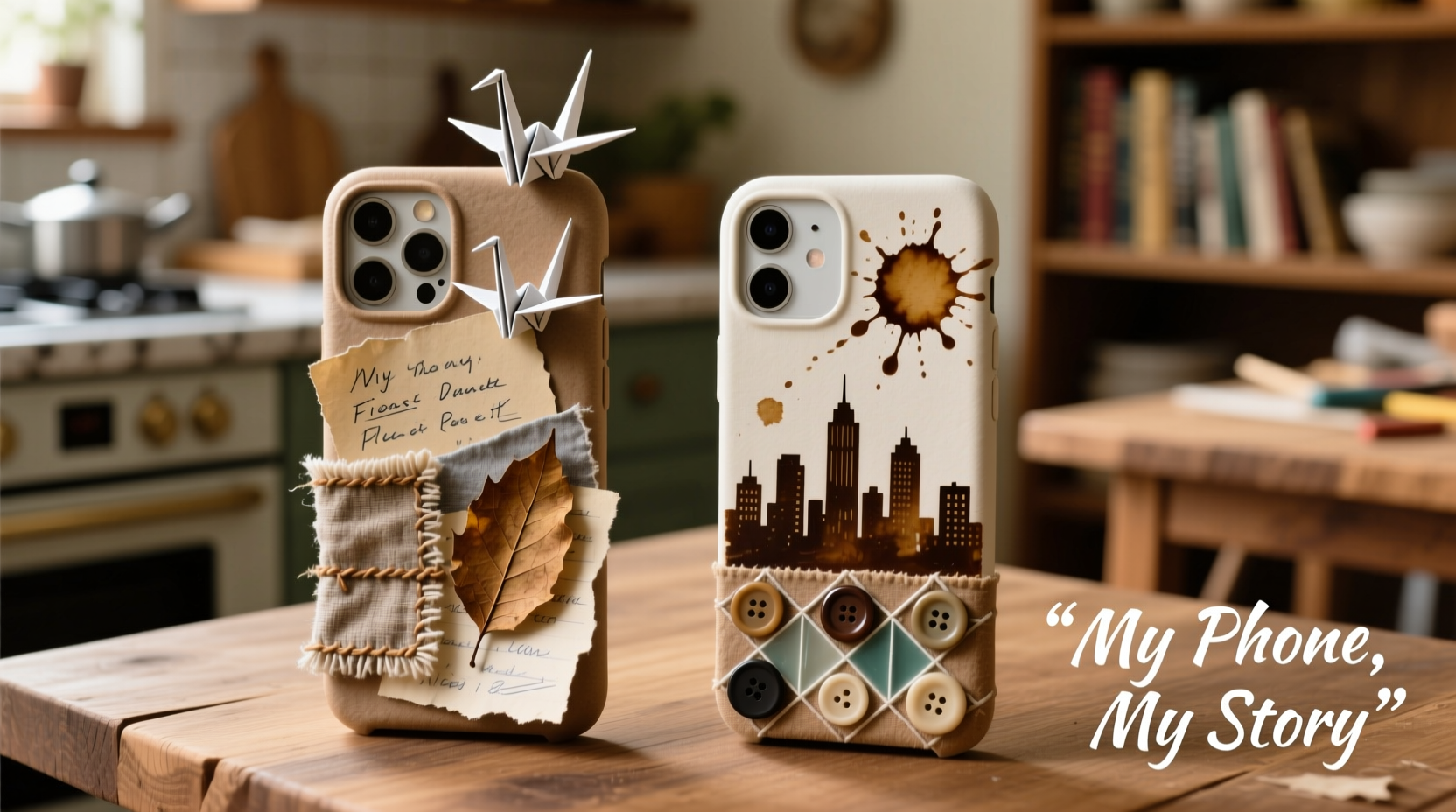
Creating a DIY phone case isn't just about saving money—it’s about sustainability, self-expression, and creativity. Every year, millions of plastic phone cases end up in landfills, contributing to environmental waste. By repurposing materials you already own, you reduce consumption while giving your phone a look no one else will have.
Beyond the ecological benefits, handmade cases allow for complete customization. Whether you want something colorful, minimalist, nostalgic, or whimsical, your imagination is the only limit. Plus, the process itself can be therapeutic. Crafting engages the mind, reduces stress, and gives a sense of accomplishment when you finish a project you use every day.
“Personalization transforms ordinary objects into meaningful extensions of ourselves. A handmade phone case isn’t just protection—it’s identity.” — Lila Nguyen, Sustainable Design Educator
Essential Materials You Likely Already Have
The beauty of DIY phone cases lies in accessibility. You don’t need specialty supplies from a craft store. Most of what you’ll need can be found in kitchen drawers, junk cabinets, or recycling bins. Here’s a list of common household items that double as excellent crafting resources:
- Cardboard – From cereal boxes to shipping packages, sturdy cardboard provides structure.
- Fabric scraps – Old clothes, pillowcases, or quilting leftovers add texture and color.
- Washi tape or duct tape – Often used for gift wrapping or repairs, these tapes offer quick decoration and durability.
- Buttons, beads, or sequins – Found in sewing kits or broken jewelry, they make eye-catching embellishments.
- Magazines, comics, or old photos – Perfect for collage-style designs.
- Glue (white glue or Mod Podge) – For sealing paper or attaching small elements.
- Clear contact paper or laminating sheets – Adds waterproof protection to finished designs.
- Scissors and ruler – Basic tools for cutting and measuring.
Step-by-Step Guide: Create a Custom Collage Case from Recycled Paper
This method turns old magazines, book pages, or photographs into a vibrant, sealed design that protects your phone while showcasing your favorite visuals. It works best with hard plastic or silicone cases but can also be applied directly to smooth-backed phones with caution.
- Gather your materials: Choose a clear or light-colored case, scissors, white glue or Mod Podge, a foam brush, printed paper (magazine clippings, sheet music, etc.), and clear contact paper or laminate.
- Cut the paper to size: Place the case on the back of your chosen paper and trace around it, adding a 2–3 mm border. Cut carefully along the outline.
- Apply adhesive: Brush a thin, even layer of glue onto the back of the case or directly onto the paper.
- Attach the paper: Carefully place the paper onto the case, smoothing out air bubbles with your fingers or a credit card.
- Seal the surface: Once dry (wait at least 1–2 hours), apply 2–3 layers of Mod Podge over the top, allowing each layer to dry completely. Alternatively, cover with a cut-to-size piece of clear contact paper for faster results.
- Trim excess: Use sharp scissors to neatly trim any overhang, ensuring the case still fits your phone securely.
This technique allows endless variation. Try thematic collages—travel destinations, vintage fashion, nature scenes—or abstract arrangements of color and shape. The result is a lightweight, personalized case with professional-looking finish.
Innovative Ideas Using Unconventional Household Items
Think beyond paper and tape. Some of the most striking DIY cases come from unexpected sources. Below are five inventive concepts using overlooked household materials.
1. Denim Pocket Case
Repurpose a pocket from an old pair of jeans. Cut around the pocket with a 1 cm seam allowance, then fold and sew or glue the edges inward. Attach Velcro or a snap button to close it. Slide your phone into the pocket for a rugged, retro look with built-in storage for cards or cash.
2. Button Mosaic Backing
Using a strong craft glue, arrange colorful buttons in a geometric pattern or gradient on a plain case. Let dry overnight. Seal with a clear epoxy resin or thick layer of Mod Podge for a glossy, durable finish. This creates a tactile, artistic surface that doubles as conversation starter.
3. Cereal Box Armor Case
Cut two identical rectangles from a flattened cereal box slightly larger than your phone. Glue them together for rigidity. Wrap the outer layer in duct tape (glossy or patterned) for water resistance and style. Cut openings for ports and camera. While not drop-proof, this lightweight case offers decent protection and full recyclability.
4. Fabric-Wrapped Case
Select a snug-fitting plastic case and wrap it like a gift. Apply fabric glue to the case, then press your chosen fabric smoothly over it. Trim excess and fold edges inward. Seal with Mod Podge or iron-on interfacing if heat-safe. Choose fabrics with personal meaning—baby clothes, concert T-shirts, or cultural textiles.
5. Pressed Flower Preservation Case
For a delicate, botanical aesthetic, press small flowers or leaves between wax paper using a heavy book (takes 5–7 days). Once dry, arrange them on a clear case with a drop of glue. Seal thoroughly with clear nail polish or laminating pouch. Avoid moisture and direct sunlight to preserve the design.
| Idea | Best For | Durability | Eco-Friendly? |
|---|---|---|---|
| Collage Paper Case | Art lovers, minimalists | Moderate (with sealing) | Yes |
| Denim Pocket Case | Practical users, travelers | High | Yes |
| Button Mosaic | Statement seekers | Moderate (risk of snagging) | Yes (repurposed materials) |
| Cereal Box Armor | Kids, temporary use | Low to moderate | Yes (fully recyclable) |
| Pressed Flower Case | Romantic, nature-inspired styles | Low (fragile) | Yes |
Checklist: How to Ensure Your DIY Case Lasts
To maximize longevity and usability, follow this practical checklist before finalizing your creation:
- ✅ Measure your phone or case accurately before cutting materials.
- ✅ Test fit all components before gluing permanently.
- ✅ Use sealants (Mod Podge, clear tape, laminate) to protect against moisture and wear.
- ✅ Avoid bulky decorations near charging ports or speaker grilles.
- ✅ Allow sufficient drying time—rushing leads to peeling or warping.
- ✅ Consider how the case feels in hand; sand rough edges or pad sharp corners.
- ✅ Label fragile cases (e.g., flower or paper designs) for careful handling.
Real Example: Maria’s Memory Case
Maria, a college student from Portland, wanted a phone case that reflected her journey without buying new products. She used a worn-out flannel shirt from her late grandfather, known for his love of hiking. After tracing her phone’s dimensions onto the fabric, she glued the cut piece onto a recycled plastic case. Around the border, she stitched tiny patches from his old backpack using embroidery thread. The result was both sentimental and functional. “Every time I pull out my phone, I remember him,” she said. “It’s not just a case—it’s a little piece of home.” Her friends were so inspired they started a weekend crafting circle focused on upcycled accessories.
Do’s and Don’ts of DIY Phone Cases
Avoid common pitfalls by following this concise comparison guide:
| Do | Don’t |
|---|---|
| Use non-toxic, flexible adhesives | Use super glue on plastic—can cause cracking |
| Test designs on paper first | Start gluing without a layout plan |
| Leave space for camera and buttons | Cover sensors or volume controls |
| Seal porous materials (paper, fabric) | Leave raw edges exposed to moisture |
| Choose flat, lightweight decorations | Add heavy charms that strain the case |
Frequently Asked Questions
Can I make a DIY case for any phone model?
Yes, but precision matters. Measure your device carefully and adapt materials accordingly. Thicker builds (like cardboard) may not fit snugly on slim phones. For best results, use a base case that already fits your model and decorate on top.
How do I clean a homemade phone case?
Most DIY cases should be wiped gently with a damp cloth. Avoid soaking, especially if they contain paper, fabric, or unsealed elements. For sealed cases (laminated or coated with Mod Podge), a mild soap solution is safe. Always dry immediately.
Will decorative elements interfere with wireless charging?
Thin layers like paper, fabric, or paint typically won’t block signals. However, thick materials (multiple cardboard layers, metal buttons, or large magnets) may prevent charging. If you rely on wireless charging, keep decorations under 2 mm thick and avoid metallic components on the back.
Final Thoughts: Turn Waste Into Wonder
Creating a DIY phone case from household items is more than a craft project—it’s a small act of rebellion against disposable culture. Each button, scrap of fabric, or salvaged page carries history and intention. These cases aren’t just protective shells; they’re stories held in the palm of your hand. Whether you're making one for yourself or as a gift, the process encourages mindfulness, resourcefulness, and joy in the handmade.
You don’t need expensive tools or rare materials to stand out. What you need is curiosity and a willingness to experiment. Start with something simple—a taped design, a photo transfer, a fabric wrap—and build from there. Over time, you’ll develop your own signature style, rooted in sustainability and authenticity.




 浙公网安备
33010002000092号
浙公网安备
33010002000092号 浙B2-20120091-4
Comments
No comments yet. Why don't you start the discussion?