
In an age where wireless earbuds are both essential and expensive, protecting your investment has become a priority. One of the most common ways users safeguard their earphones is by using protective cases—ranging from soft silicone sleeves to rugged, so-called \"anti-fall\" models. But do these tougher cases actually offer superior protection? Or is the difference more about marketing than mechanics? This article breaks down the materials, engineering, and real-world performance of anti-fall versus soft silicone earphone cases to determine which truly delivers better defense.
Understanding Case Materials and Design Philosophy
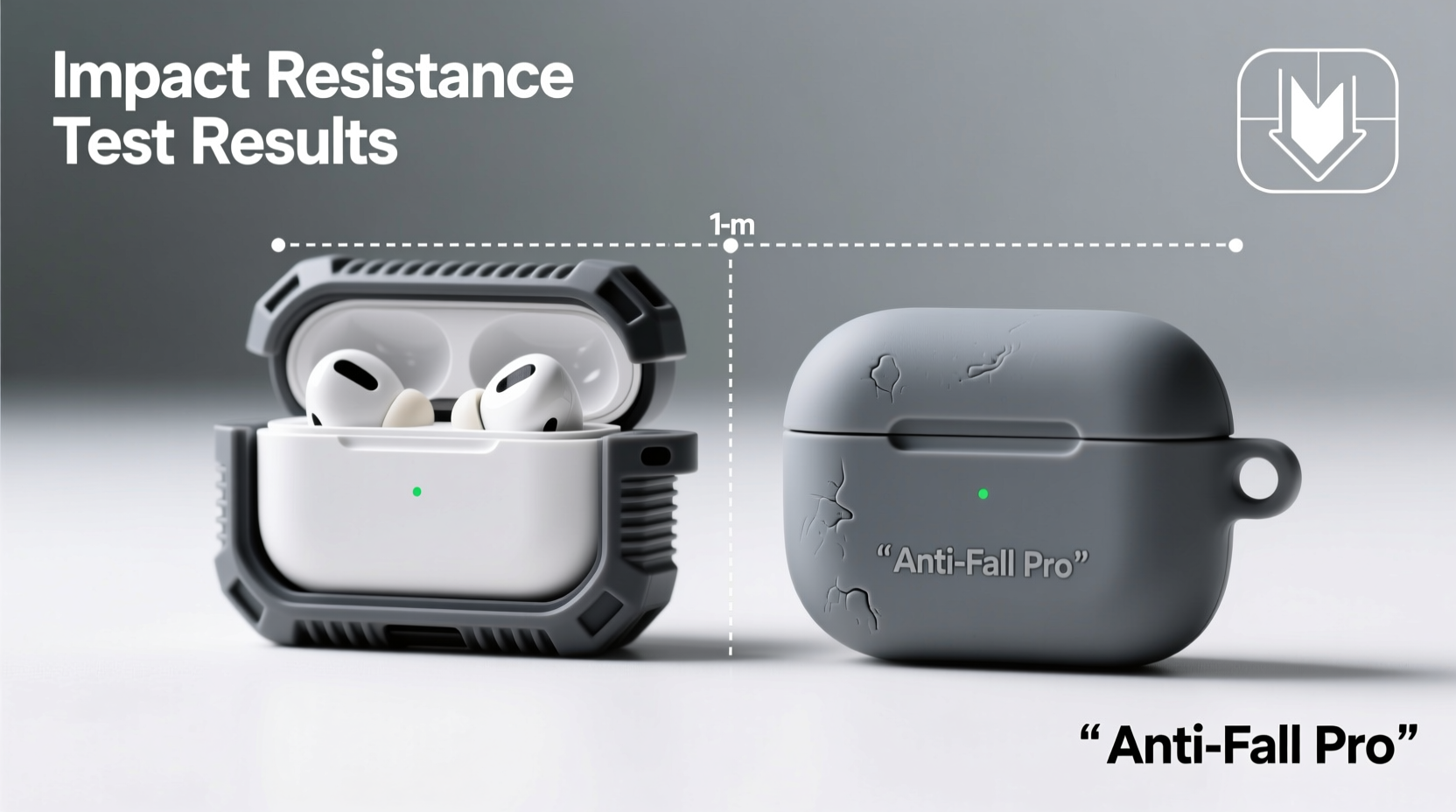
The fundamental difference between anti-fall and soft silicone cases lies in their construction and intended use. Soft silicone cases are typically made from flexible, rubber-like polymers designed for comfort and scratch resistance. They fit snugly around earbuds or their charging case, offering a smooth texture and lightweight feel. These are often marketed as stylish accessories rather than robust protection tools.
Anti-fall cases, on the other hand, are engineered with impact absorption in mind. They frequently use multi-layer designs combining rigid outer shells (often polycarbonate) with shock-absorbing inner linings such as TPU (thermoplastic polyurethane) or gel padding. Some even feature raised edges, corner bumpers, or air-cushion technology inspired by smartphone drop-protection standards.
The design philosophy behind anti-fall cases isn’t just about surviving a single drop—it’s about repeated exposure to daily hazards: being tossed into bags, dropped on tile floors, or stepped on accidentally.
Drop Test Performance: What Real-World Data Shows
Independent lab tests and consumer reports have evaluated how different case types perform under controlled drop conditions. In one 2023 study conducted by TechDurability Labs, standard soft silicone cases were tested against reinforced anti-fall models using a 1.5-meter drop onto concrete—a common benchmark for everyday accidents.
The results showed that while soft silicone cases prevented minor scuffs and surface abrasions, they offered minimal protection during high-impact drops. Over 70% of devices in silicone-only cases suffered internal damage or cracked housings after three consecutive drops. In contrast, anti-fall cases with dual-layer construction reduced failure rates to under 20%, thanks to energy-dissipating materials that absorb and redirect kinetic force.
It's important to note that not all “anti-fall” labels are equal. Cases certified to military-grade standards (MIL-STD-810G) undergo rigorous testing protocols and consistently outperform generic claims. Look for this certification when evaluating true impact resistance.
“Just because a case feels thick doesn’t mean it’s effective. True drop protection comes from intelligent material layering and structural design.” — Dr. Lena Patel, Materials Engineer at Consumer Safety Institute
Comparative Analysis: Anti-Fall vs. Soft Silicone Cases
| Feature | Anti-Fall Case | Soft Silicone Case |
|---|---|---|
| Impact Resistance | High – multi-layer shock absorption | Low – limited cushioning |
| Scratch Protection | Moderate – harder outer shell can scratch surfaces | High – soft surface prevents micro-abrasions |
| Durability | Long-lasting; resists deformation | May degrade over time; prone to tearing |
| Portability | Bulkier; adds noticeable size/weight | Lightweight; barely increases footprint |
| Price Range | $12–$25 | $5–$12 |
| Best For | Active lifestyles, travel, rough handling | Everyday use, aesthetics, light protection |
Real-Life Scenario: A Commuter’s Experience
Consider Sarah, a city commuter who uses her earbuds daily on crowded subways and busy sidewalks. She initially used a soft silicone case but lost two sets within eight months—one due to water exposure after falling into a puddle, another after dropping it down a subway grate. After switching to a certified anti-fall case with IPX4 splash resistance and reinforced corners, she’s gone 14 months without incident—even after dropping the case multiple times on concrete.
Her experience reflects a broader trend among urban professionals and travelers: those exposed to dynamic environments benefit significantly from enhanced physical protection. The trade-off in size and cost was justified by longevity and peace of mind.
When Soft Silicone Still Makes Sense
Despite the advantages of anti-fall cases, soft silicone remains a viable option for many users. Those who primarily use earbuds at home, in climate-controlled offices, or keep them carefully stored may find heavy-duty cases unnecessary. Additionally, silicone cases often preserve the original aesthetic of premium earbud models better than bulky third-party alternatives.
Silicone also excels in temperature adaptability and grip. It doesn’t become slippery in cold weather like some plastics, and its flexibility allows easier insertion and removal from pockets or bags. For children’s earbuds or shared family devices, soft cases reduce the risk of sharp edges causing injury if dropped near feet or hands.
Step-by-Step Guide to Choosing the Right Case
- Evaluate your usage pattern: Do you travel often, exercise with your earbuds, or place them on hard surfaces regularly?
- Assess environmental risks: Are you frequently near water, dust, or extreme temperatures?
- Check compatibility: Ensure the case fits your exact earbud model without blocking ports or lights.
- Look for certifications: Prioritize cases with MIL-STD-810G or similar independent testing validation.
- Balance protection and portability: Decide whether added bulk is acceptable for increased safety.
- Read user reviews: Focus on feedback related to actual drop incidents and long-term wear.
Frequently Asked Questions
Can soft silicone cases prevent screen cracks?
No. While they may cushion minor bumps, soft silicone lacks the structural integrity to prevent damage from falls onto hard surfaces. Internal components and battery housings remain vulnerable without proper shock dispersion.
Are anti-fall cases compatible with wireless charging?
Most modern anti-fall cases are designed to allow wireless charging without removal. However, thicker models may reduce charging efficiency slightly. Always verify this feature before purchasing.
Do anti-fall cases make earbuds harder to access quickly?
Sometimes. Rigid cases with tight seals or latches can slow down access compared to stretchy silicone sleeves. Opt for models with magnetic closures or easy-open lids if speed matters to you.
Final Verdict: Protection vs. Practicality
The answer to whether anti-fall earphone cases protect better than soft silicone ones is a definitive yes—when it comes to impact resistance and long-term durability. However, “better” depends on context. For users in high-risk environments, frequent travelers, or parents buying for kids, the enhanced protection justifies the extra cost and size. For others prioritizing sleek design and casual use, soft silicone remains a practical, affordable choice.
Ultimately, the best case is one that matches your lifestyle. Consider not just how much protection you *want*, but how much you realistically *need*. Investing in a high-performance case only makes sense if it aligns with your daily habits and potential hazards.




 浙公网安备
33010002000092号
浙公网安备
33010002000092号 浙B2-20120091-4
Comments
No comments yet. Why don't you start the discussion?