
Anxiety affects millions of people worldwide, prompting a growing interest in natural, non-pharmaceutical interventions. Among these, aromatherapy has gained popularity—especially through the use of essential oil diffusers. These small devices disperse aromatic plant extracts into the air, promising calm, clarity, and emotional balance. But do they truly help reduce anxiety, or is their effect merely placebo-driven? This article examines scientific evidence, identifies which essential oils are most effective, and provides practical guidance on using diffusers to support mental well-being.
The Science Behind Aromatherapy and Anxiety
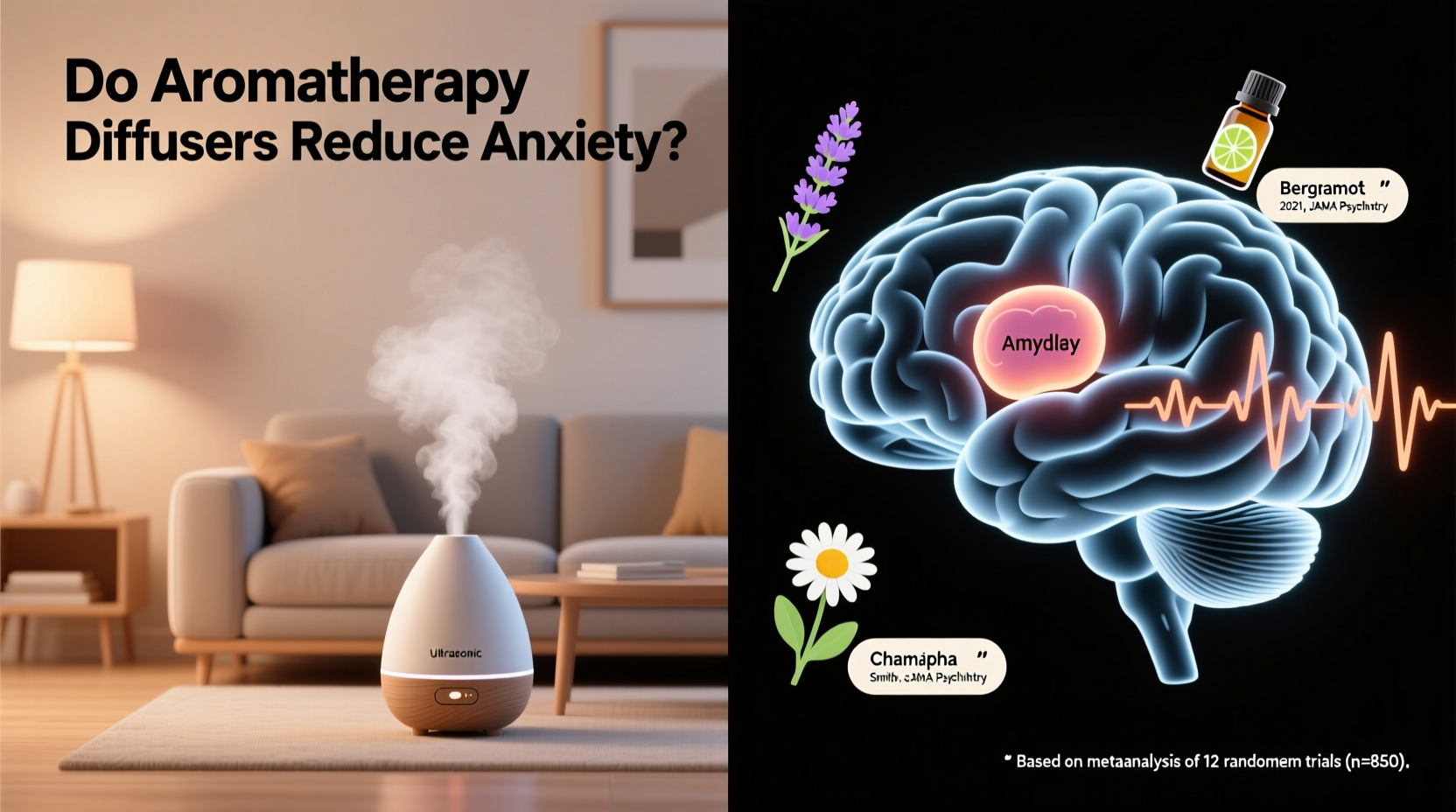
Aromatherapy operates on the principle that scent molecules interact with the limbic system—the part of the brain responsible for emotions, memory, and arousal. When inhaled, volatile compounds from essential oils travel through the olfactory nerves directly to this region, potentially influencing mood and stress responses.
Several clinical studies have explored this connection. A 2017 meta-analysis published in *PLOS ONE* reviewed 16 randomized controlled trials involving over 1,000 participants and concluded that aromatherapy significantly reduced anxiety levels compared to control groups. The effects were particularly notable when lavender, bergamot, and chamomile were used consistently over time.
One key mechanism involves the modulation of neurotransmitters. For example, linalool—a compound abundant in lavender oil—has been shown to enhance GABA (gamma-aminobutyric acid) activity in the brain. GABA is an inhibitory neurotransmitter that helps calm neural excitability, much like benzodiazepines, though without the same risk of dependency.
“Essential oils aren’t magic, but they can act as powerful adjunct tools in managing mild to moderate anxiety by engaging our neurochemical pathways naturally.” — Dr. Rebecca Nguyen, Integrative Neurologist and Aromatherapy Researcher
Essential Oils Proven to Reduce Anxiety
Not all essential oils are created equal when it comes to calming effects. Below is a breakdown of the most researched and effective options:
| Essential Oil | Key Compounds | Scientific Support | Best Used For |
|---|---|---|---|
| Lavender (Lavandula angustifolia) | Linalool, linalyl acetate | Strong – multiple RCTs confirm efficacy | Generalized anxiety, sleep disturbances |
| Bergamot (Citrus bergamia) | Limonene, linalyl acetate | Moderate – especially in citrus-based studies | Stress-induced anxiety, low mood |
| Chamomile (Matricaria chamomilla) | Apigenin, bisabolol | Emerging – animal and pilot human trials | Irritability, nervous tension |
| Frankincense (Boswellia carterii) | Boswellic acids, incensole acetate | Preliminary – strong traditional use | Meditation, grounding during panic |
| Ylang Ylang (Cananga odorata) | Linalool, germacrene D | Limited but promising | Heart rate reduction, relaxation |
While lavender remains the gold standard due to its extensive research backing, combinations of oils—such as citrus and floral blends—are often more effective than single oils, likely due to synergistic effects.
How to Use Diffusers Effectively for Anxiety Relief
Simply owning a diffuser isn’t enough. How you use it matters just as much as what you put in it. Ultrasonic, nebulizing, and heat diffusers each work differently, but ultrasonic models are most common due to their quiet operation and cool mist delivery.
To maximize benefits, follow this step-by-step approach:
- Choose the right location: Place the diffuser in a frequently occupied space such as your bedroom, home office, or living room—areas where you spend time relaxing.
- Select high-quality oils: Look for 100% pure essential oils labeled with botanical names and batch-tested for purity. Avoid fragrance oils or synthetic blends.
- Diffuse at strategic times: Run the device 15–30 minutes before bedtime, during morning meditation, or after a stressful event. Continuous diffusion throughout the day is not recommended.
- Use consistent blends: Rotate oils sparingly. Sticking with one calming blend for at least two weeks allows your nervous system to adapt and respond more effectively.
- Clean regularly: Mineral buildup and microbial growth can impair function and disperse contaminants. Rinse the water tank daily and deep-clean weekly with vinegar or citric acid.
A Real-Life Example: Managing Work-Related Stress
Sarah, a 34-year-old project manager in Toronto, struggled with chronic work anxiety. Despite trying mindfulness apps and breathing exercises, she found herself overwhelmed by racing thoughts during late-afternoon meetings. On her therapist’s suggestion, she introduced a lavender and bergamot blend into her home office via a small ultrasonic diffuser.
She began diffusing for 20 minutes each morning and again after lunch. Within ten days, she reported feeling less reactive during high-pressure calls. Her resting heart rate, tracked via a wearable device, dropped by an average of 8 BPM during work hours. While she acknowledges aromatherapy isn’t a standalone solution, she credits the routine with helping her regain a sense of control.
“It became a ritual,” Sarah said. “The scent cues my brain that it’s okay to slow down—even if just for a moment.”
Common Mistakes That Undermine Effectiveness
Many users fail to see results because of avoidable errors. Here’s what not to do:
- Over-diffusing: Running the diffuser for hours can lead to olfactory fatigue, reducing sensitivity and diminishing psychological impact.
- Using impure oils: Adulterated or diluted oils lack therapeutic compounds and may contain irritants.
- Ignoring individual preferences: Not everyone responds the same way. Some find floral scents soothing; others prefer earthy or woody notes.
- Expecting immediate results: Like meditation or exercise, aromatherapy works best with consistency. Acute anxiety may require additional strategies.
- Placing the diffuser incorrectly: Keep it away from walls, electronics, and direct sunlight to ensure even dispersion and prevent damage.
“The ritual of aromatherapy—preparing the diffuser, choosing the scent, pausing to inhale—can be as therapeutic as the chemical effects of the oil itself.” — Dr. Naomi Patel, Behavioral Psychologist
Checklist: Optimizing Your Aromatherapy Routine for Anxiety
Use this checklist to ensure you’re getting the most out of your diffuser:
- ☑ Use only 100% pure, therapeutic-grade essential oils
- ☑ Limit diffusion sessions to 15–30 minutes, 2–3 times per day
- ☑ Clean the diffuser reservoir weekly to prevent mold and residue buildup
- ☑ Combine with other relaxation techniques (e.g., deep breathing, journaling)
- ☑ Start with proven oils like lavender or bergamot before experimenting
- ☑ Monitor how you feel over time—keep a brief log for one week
- ☑ Avoid use around pets (especially cats) and infants unless vet-approved
Frequently Asked Questions
Can aromatherapy replace anti-anxiety medication?
No. While aromatherapy can be a helpful complementary tool, it should not replace prescribed treatments for clinical anxiety disorders. Always consult a healthcare provider before making changes to your treatment plan.
How long does it take to feel the effects of a diffuser?
Some people report immediate calm within minutes of inhalation, especially with citrus oils. However, sustained anxiety reduction typically requires consistent use over 1–2 weeks. Individual responses vary based on sensitivity, environment, and baseline stress levels.
Are there any risks associated with using essential oil diffusers?
Yes. Overuse can cause headaches or respiratory irritation in sensitive individuals. Certain oils (e.g., eucalyptus, tea tree) are toxic to pets. Pregnant women should consult a doctor before use, as some oils may affect hormone levels or uterine activity.
Conclusion: A Simple Tool with Measurable Benefits
Aromatherapy diffusers are not a cure-all, but they are far more than placebo. Supported by neuroscience and clinical research, they offer a safe, accessible method to help regulate mood and reduce everyday anxiety. When used correctly—with quality oils, proper technique, and realistic expectations—they become a valuable part of a holistic self-care routine.
The beauty of aromatherapy lies in its simplicity: a few drops of oil, a quiet moment, and the power of scent to shift your state of mind. You don’t need to believe in miracles to benefit from it—just a willingness to breathe deeply and give it a fair trial.




 浙公网安备
33010002000092号
浙公网安备
33010002000092号 浙B2-20120091-4
Comments
No comments yet. Why don't you start the discussion?