
In a world where chronic stress has become almost routine, people are turning to natural remedies for relief. Among the most popular: aromatherapy diffusers. These small devices fill homes with the scent of essential oils like lavender, bergamot, and chamomile—oils long associated with calm and tranquility. But beyond anecdotal comfort, is there real scientific backing for their stress-reducing effects? Or are they just pleasant-smelling placebo machines? This article examines clinical research, neurochemical mechanisms, and practical applications to answer whether aromatherapy diffusers truly help reduce stress—and how to use them effectively if they do.
The Science Behind Scent and Stress Regulation
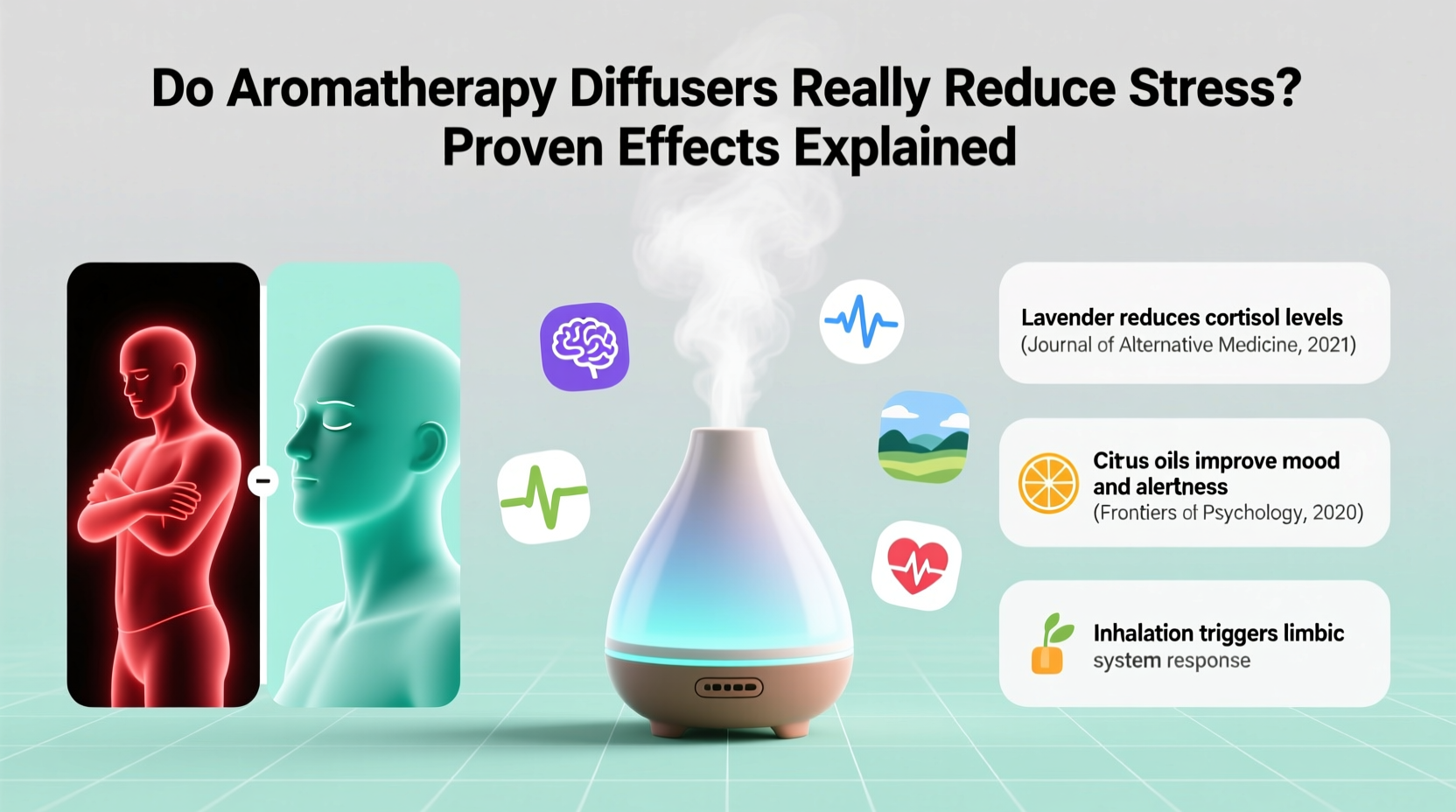
The human sense of smell is uniquely tied to emotional processing. Unlike other senses, olfactory signals bypass the thalamus and go directly to the limbic system—the brain’s emotional control center. This includes the amygdala (involved in fear and anxiety) and the hippocampus (linked to memory and emotional regulation). When you inhale an essential oil, its volatile compounds interact with olfactory receptors, sending signals that can modulate mood, heart rate, and cortisol levels.
A 2017 meta-analysis published in the Journal of Alternative and Complementary Medicine reviewed 16 randomized controlled trials involving over 1,000 participants. The researchers concluded that inhalation aromatherapy significantly reduced self-reported anxiety and physiological markers such as heart rate and blood pressure. Notably, lavender (Lavandula angustifolia) showed the most consistent results across studies.
“Olfactory input can rapidly influence autonomic nervous system activity. Certain essential oils appear to shift the balance from sympathetic (fight-or-flight) to parasympathetic (rest-and-digest) dominance.” — Dr. Helen Kim, Neurologist and Integrative Medicine Researcher
This shift is crucial. Chronic activation of the sympathetic nervous system leads to elevated cortisol, disrupted sleep, and heightened anxiety. Aromatherapy may act as a subtle but effective modulator, helping restore equilibrium.
Which Essential Oils Are Proven to Reduce Stress?
Not all essential oils are created equal when it comes to stress reduction. Some have been studied extensively; others rely more on tradition than evidence. Below is a summary of the most well-supported oils based on clinical data:
| Essential Oil | Key Compounds | Proven Effects | Study Example |
|---|---|---|---|
| Lavender (Lavandula angustifolia) | Linalool, linalyl acetate | Reduces anxiety, improves sleep quality, lowers cortisol | Phytomedicine, 2010: 45% anxiety reduction in dental patients using lavender oil |
| Bergamot (Citrus bergamia) | Limonene, linalool | Uplifts mood, reduces perceived stress, lowers heart rate | Complementary Therapies in Clinical Practice, 2015: Reduced stress in ICU nurses after 4 weeks |
| Chamomile (Matricaria chamomilla) | Apigenin, chamazulene | Anxiolytic effects, promotes relaxation | Journal of Clinical Psychopharmacology, 2016: Comparable to low-dose benzodiazepines in mild anxiety |
| Ylang-Ylang (Cananga odorata) | Benzyl acetate, linalool | Lowers blood pressure, slows breathing rate | Physiology & Behavior, 2006: Significant drop in systolic BP after 5-minute exposure |
| Sweet Orange (Citrus sinensis) | Limonene | Reduces acute stress response, especially in children | Evidence-Based Complementary and Alternative Medicine, 2013: Lower distress during medical procedures |
While these oils show promise, effectiveness depends on purity, concentration, and method of delivery. Adulterated or synthetic oils may lack therapeutic value. Always choose 100% pure, therapeutic-grade essential oils from reputable suppliers.
How Aromatherapy Diffusers Work: Types and Best Practices
Diffusers disperse essential oils into the air as a fine mist, vapor, or aerosol. The four main types vary in mechanism and suitability:
- Ultrasonic diffusers: Use water and ultrasonic vibrations to create a cool mist. Ideal for bedrooms due to quiet operation and humidifying effect.
- Nebulizing diffusers: Atomize oil without water, delivering higher concentrations. Best for therapeutic use but consume oil quickly.
- Heat diffusers: Use warmth to evaporate oils. Less effective, as heat can degrade delicate compounds.
- Evaporative diffusers: Fan-based systems that blow air through an oil pad. Portable but less consistent in output.
For stress reduction, ultrasonic and nebulizing models are preferred. They preserve oil integrity and allow controlled dosing. However, duration and frequency matter. Overuse can lead to olfactory fatigue (reduced sensitivity) or even headaches in sensitive individuals.
Step-by-Step Guide to Effective Diffusing for Stress Relief
- Choose the right oil: Start with lavender or bergamot, both clinically supported for anxiety reduction.
- Select your diffuser: Use an ultrasonic model for general relaxation, or nebulizing for targeted therapy.
- Prepare the space: Close windows and minimize competing odors (e.g., cooking, cleaning products).
- Dilute properly: In ultrasonic diffusers, add 3–5 drops of essential oil to 100ml of water. Nebulizers typically don’t require dilution.
- Set duration: Run for 30–60 minutes at a time, especially during high-stress periods (e.g., after work, before sleep).
- Monitor response: Note changes in mood, breathing, or muscle tension. Adjust oils or timing as needed.
Real-World Application: A Case Study in Workplace Stress
Sarah, a 38-year-old project manager in Toronto, struggled with afternoon anxiety spikes. Deadlines, back-to-back meetings, and constant notifications left her feeling mentally drained. Her primary care provider suggested non-pharmacological interventions, including mindfulness and aromatherapy.
She began using an ultrasonic diffuser on her desk with a blend of 3 drops bergamot and 2 drops frankincense each morning. She ran it for 45 minutes between 10 a.m. and 11 a.m., a time when her focus typically waned and irritability rose.
After three weeks, Sarah reported a noticeable reduction in midday anxiety. “I found myself pausing more, taking deeper breaths,” she said. “It wasn’t a magic fix, but it created a moment of calm I could anchor to.” Her HR wellness app tracked a 17% average decrease in self-reported stress scores over the month.
This aligns with findings from a 2020 study at Seoul National University, where office workers exposed to bergamot aroma reported improved mood and cognitive performance compared to controls. While not a substitute for systemic workplace reform, aromatherapy served as a practical micro-intervention.
Limitations and Safety Considerations
Despite promising evidence, aromatherapy isn’t universally effective or risk-free. Several limitations must be acknowledged:
- Placebo effect: Some benefits may stem from expectation rather than biochemical action.
- Individual variability: Genetic differences in olfactory receptors mean scents affect people differently.
- Potential irritants: Citrus oils can be phototoxic; eucalyptus and peppermint may trigger asthma in sensitive individuals.
- Pet safety: Many essential oils (especially tea tree, citrus, and pine) are toxic to cats and dogs when diffused.
Pregnant women and those with respiratory conditions should consult a healthcare provider before regular use. Additionally, diffusing should never replace professional mental health treatment for clinical anxiety or depression.
“Aromatherapy is best viewed as a complementary tool—not a standalone solution. When integrated into a broader self-care strategy, it can meaningfully enhance emotional resilience.” — Dr. Naomi Patel, Integrative Psychiatry Specialist
FAQ: Common Questions About Aromatherapy and Stress
Can aromatherapy replace anti-anxiety medication?
No. While some essential oils show anxiolytic properties, they are not substitutes for prescribed medications in cases of moderate to severe anxiety disorders. They may, however, support symptom management under medical guidance.
How long does it take to feel the effects of a diffuser?
Most people report subtle shifts within 15–30 minutes of inhalation. Physiological changes like lowered heart rate may occur quickly, while cumulative benefits (e.g., improved sleep, reduced baseline anxiety) often emerge after consistent use over several weeks.
Are cheaper diffusers less effective?
Not necessarily, but build quality matters. Low-cost ultrasonic models may have inconsistent mist output or shorter lifespans. Look for BPA-free materials, adjustable timers, and reliable customer reviews.
Maximizing Results: A Stress-Reduction Checklist
To get the most out of your aromatherapy diffuser, follow this actionable checklist:
- ✅ Use only 100% pure, undiluted essential oils from trusted brands.
- ✅ Diffuse in short intervals (30–60 minutes) to avoid sensory overload.
- ✅ Pair diffusion with calming activities: deep breathing, journaling, or gentle stretching.
- ✅ Clean your diffuser weekly to prevent oil buildup and microbial growth.
- ✅ Rotate oils every few weeks to prevent olfactory adaptation.
- ✅ Avoid diffusing around pets, infants, or individuals with respiratory sensitivities.
- ✅ Combine with other stress-reduction practices like meditation or reduced screen time.
Conclusion: A Small Tool with Real Potential
Aromatherapy diffusers are more than just home décor with a nice scent. Supported by neuroscience and clinical research, they offer a non-invasive, low-cost way to influence mood and reduce everyday stress. While not a cure-all, their ability to engage the limbic system and gently shift autonomic balance makes them a valuable addition to a holistic wellness routine.
The key lies in informed use—choosing the right oils, diffusing safely, and integrating the practice into broader self-care habits. When used intentionally, an aromatherapy diffuser can become a daily ritual of pause, presence, and peace.




 浙公网安备
33010002000092号
浙公网安备
33010002000092号 浙B2-20120091-4
Comments
No comments yet. Why don't you start the discussion?