
For many households, toilet paper is a non-negotiable expense—a staple tucked into every bathroom cabinet. But as sustainability and cost-efficiency become growing priorities, more people are questioning whether traditional wiping habits are truly necessary. Enter the bidet attachment: a compact, affordable device that connects directly to your existing toilet and uses water to clean after use. While bidets have long been standard in parts of Asia, Europe, and South America, they’re gaining traction in North America not just for hygiene reasons, but for their potential to cut down on toilet paper consumption—and save money over time.
The core question remains: can installing a bidet attachment meaningfully reduce how much toilet paper you use, and if so, does that translate into real financial savings? The answer isn’t just about swapping rolls for sprays—it’s about understanding usage patterns, initial costs, maintenance, and long-term behavior changes. This article breaks down the math, the science, and the lived experience behind bidet adoption to determine whether it’s a worthwhile investment for the average household.
How Bidet Attachments Work and Their Impact on Toilet Paper Use
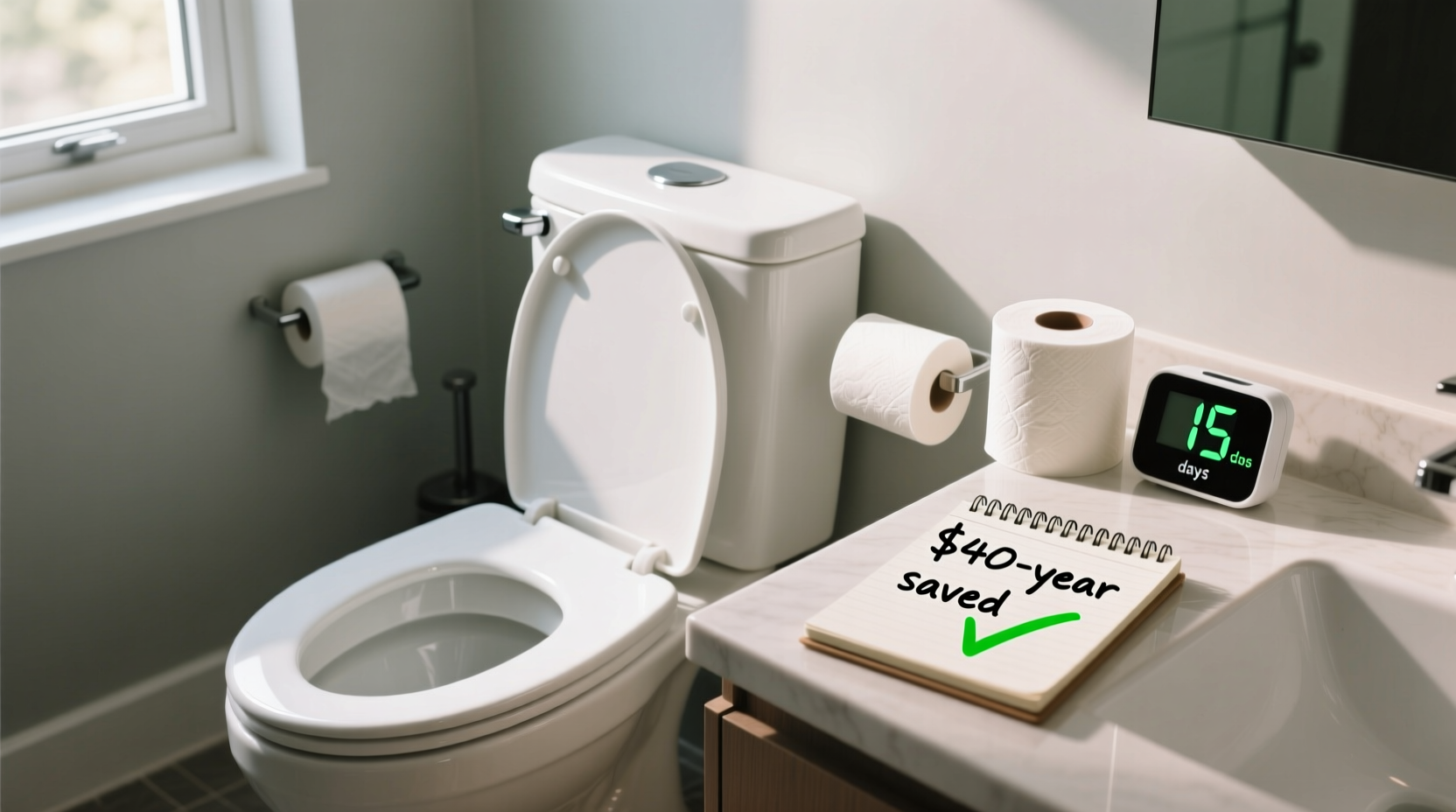
Bidet attachments are designed to fit between your toilet seat and bowl, connecting directly to the water supply line. Most models feature adjustable nozzles that spray a gentle stream of water for cleansing, with options to control water pressure, spray width, and sometimes even temperature (in heated models). After using the bidet, users typically blot dry with a small amount of toilet paper or a reusable towel—drastically reducing reliance on disposable paper.
The reduction in toilet paper usage varies by individual, but studies and user reports consistently show significant drops. A 2020 consumer survey by The Hygiene Journal found that 68% of bidet users reduced their toilet paper consumption by at least 50%, while nearly 30% reported cutting usage by 75% or more. Some users eliminated toilet paper entirely for daily use, reserving it only for travel or guests.
This shift isn't just anecdotal. Water-based cleaning is inherently more effective at removing residue than dry wiping. As a result, users often find they need fewer wipes per session, leading to less irritation and lower overall paper demand. Over months and years, these small reductions compound into noticeable savings.
Calculating the Financial Savings
To assess whether a bidet attachment pays for itself, consider both the upfront cost and ongoing toilet paper expenses. Let’s break it down with realistic averages.
The typical American household spends between $80 and $150 annually on toilet paper, depending on brand preference, number of occupants, and usage habits. Premium brands like Charmin Ultra Soft or Cottonelle can push that figure higher, especially for larger families.
In contrast, most basic bidet attachments range from $30 to $90. Installation requires no plumbing expertise—most models take under 30 minutes to install using common tools. There’s no increase in water usage worth noting; a typical bidet uses less than half a gallon per use, adding roughly $2–$5 to your annual water bill.
Let’s assume a household spends $120 per year on toilet paper and installs a $60 bidet attachment. If the bidet reduces their toilet paper use by 60%, they’ll save $72 in the first year. After subtracting the initial cost, they’ve already gained $12 in net savings by year’s end. In subsequent years, those savings continue—$72 annually—with no additional investment required.
Even with a more conservative 40% reduction, the breakeven point arrives within 12 to 18 months. After that, every dollar saved is pure gain. For households spending more than average or using high-end toilet paper, the return on investment accelerates further.
“Switching to a bidet isn’t just about comfort—it’s one of the simplest ways to reduce a recurring household expense with minimal effort.” — Dr. Lena Patel, Environmental Economist at Green Living Institute
Comparative Cost Breakdown: Bidet vs. Toilet Paper Over Time
| Time Period | Toilet Paper Cost Only | Bidet + Reduced TP Cost | Savings |
|---|---|---|---|
| Year 1 | $120 | $60 (bidet) + $48 (40% less TP) = $108 | $12 |
| Year 2 | $120 | $48 | $72 |
| Year 3 | $120 | $48 | $72 |
| Year 5 Total | $600 | $60 + ($48 × 4) = $252 | $348 |
As shown, a five-year projection reveals nearly $350 in savings for a single household. These numbers scale with family size and usage. A four-person home spending $200 annually on toilet paper could save over $500 in five years. Even factoring in occasional nozzle cleaning or replacement parts (typically under $15 every few years), the financial case remains strong.
Environmental and Health Benefits Beyond Cost
While saving money is compelling, the advantages of bidet attachments extend beyond personal finance. Reducing toilet paper use has measurable environmental impacts. According to the Natural Resources Defense Council (NRDC), the U.S. consumes approximately 36 million tons of toilet paper annually, requiring the harvesting of nearly 15 million trees and consuming billions of gallons of water in production.
By cutting household toilet paper use by half, a single bidet can prevent around 100 rolls from entering landfills each year. That translates to roughly 20 pounds of waste and the preservation of 0.5 trees annually per household. Multiply this across millions of homes, and the collective impact becomes transformative.
From a health perspective, bidets offer gentler cleaning, which can reduce skin irritation, hemorrhoid discomfort, and urinary tract infections—especially beneficial for seniors, pregnant individuals, and those with mobility challenges. Dermatologists frequently recommend bidets for patients with chronic skin conditions like eczema or psoriasis in the anal region.
Real-World Example: One Family’s Year with a Bidet
The Thompson family of Portland, Oregon, decided to test the financial claims of bidet marketing firsthand. With two adults and two teenagers, they were going through an average of three jumbo packs of toilet paper per month—costing about $180 annually.
In January, they installed a $70 bidet attachment on their main bathroom toilet. They committed to using it consistently and tracking their toilet paper purchases. By June, they noticed they were restocking only once every eight weeks. By December, their total toilet paper spending had dropped to $65.
“We didn’t expect such a big difference,” said Sarah Thompson. “The kids actually prefer the bidet now. We use one square to dry off instead of six or seven. It feels cleaner, and we’re proud of reducing waste.”
After one year, their net savings were $45—not quite breaking even yet, but well on track. By year two, with no new bidet costs, they projected $115 in savings. They also reported fewer instances of bathroom-related irritation, particularly among family members with sensitive skin.
Step-by-Step Guide to Maximizing Savings with a Bidet Attachment
Installing a bidet is simple, but optimizing its use for maximum savings requires a few intentional steps. Follow this timeline to get the most out of your investment:
- Week 1: Install and Test – Attach the bidet according to manufacturer instructions. Test water pressure and spray angle. Adjust settings for comfort.
- Week 2–4: Establish Routine – Use the bidet after every bowel movement. Begin reducing toilet paper to one or two squares for drying only.
- Month 2: Track Usage – Note how often you buy toilet paper. Compare to previous months.
- Month 3: Optimize Habits – Consider introducing a reusable drying cloth. Clean the bidet nozzle monthly to maintain hygiene.
- Month 6: Evaluate Savings – Calculate your reduced spending. Reinvest savings into other eco-upgrades if desired.
- Year 1+: Maintain and Share – Continue monitoring usage. Encourage housemates or roommates to adopt the habit. Share results with friends.
Common Misconceptions and How to Avoid Them
Despite growing popularity, several myths persist about bidet attachments:
- “They’re unhygienic.” – Modern bidets feature self-cleaning nozzles and antimicrobial materials. Water cleansing is objectively more sanitary than dry wiping.
- “They’re hard to install.” – Most models require only a wrench and screwdriver. No plumber needed. Installation videos are widely available online.
- “They use too much water.” – A typical flush uses 1.6 gallons; a bidet uses less than 0.5 per use. The added water cost is negligible.
- “They’re only for people with health issues.” – While beneficial for medical needs, bidets improve cleanliness and comfort for everyone.
Avoid frustration by choosing a reputable brand with good customer support. Read reviews focusing on ease of installation and durability. Look for models with adjustable pressure and easy-to-clean components.
FAQ: Your Bidet Questions Answered
Can I install a bidet attachment myself?
Yes, most bidet attachments are designed for DIY installation. They connect to the toilet’s water supply line and require no electrical work. The entire process usually takes under 30 minutes with basic tools.
Will I eliminate toilet paper completely?
Most users significantly reduce usage but may still use a small amount for drying. Some switch to reusable cotton rounds or microfiber towels, eliminating paper altogether. Complete elimination depends on personal preference and household habits.
Are bidet attachments hygienic for shared bathrooms?
Absolutely. The nozzle retracts and often includes a self-cleaning function before and after use. Each user controls their own spray, minimizing cross-contact. Families report no hygiene concerns when following basic cleaning routines.
Conclusion: A Small Change with Lasting Financial Impact
The evidence is clear: bidet attachments do reduce toilet paper usage enough to save money—often within the first year. While the initial shift may feel unfamiliar, the combination of improved hygiene, environmental responsibility, and long-term savings makes it a smart choice for modern households. Whether you're motivated by budget constraints, ecological concerns, or personal comfort, the bidet offers a practical, low-risk solution with high cumulative rewards.
Unlike many eco-friendly upgrades that require major investments or lifestyle disruptions, a bidet attachment is affordable, easy to install, and immediately effective. Once adopted, most users wonder why they waited so long. The next time you reach for another pack of premium toilet paper, consider redirecting that spending toward a tool that pays you back—every time you use the bathroom.




 浙公网安备
33010002000092号
浙公网安备
33010002000092号 浙B2-20120091-4
Comments
No comments yet. Why don't you start the discussion?