
Skin elasticity—the ability of your skin to stretch and snap back—is a hallmark of youth. As we age, natural collagen production declines by about 1% per year after age 20, leading to fine lines, sagging, and dryness. This has sparked widespread interest in both oral collagen supplements and topical skincare products. But which approach is more effective? Can a pill reverse signs of aging, or should you stick to creams and serums? The answer isn't black and white, but understanding the science behind each method can help you make informed decisions.
The Role of Collagen in Skin Health
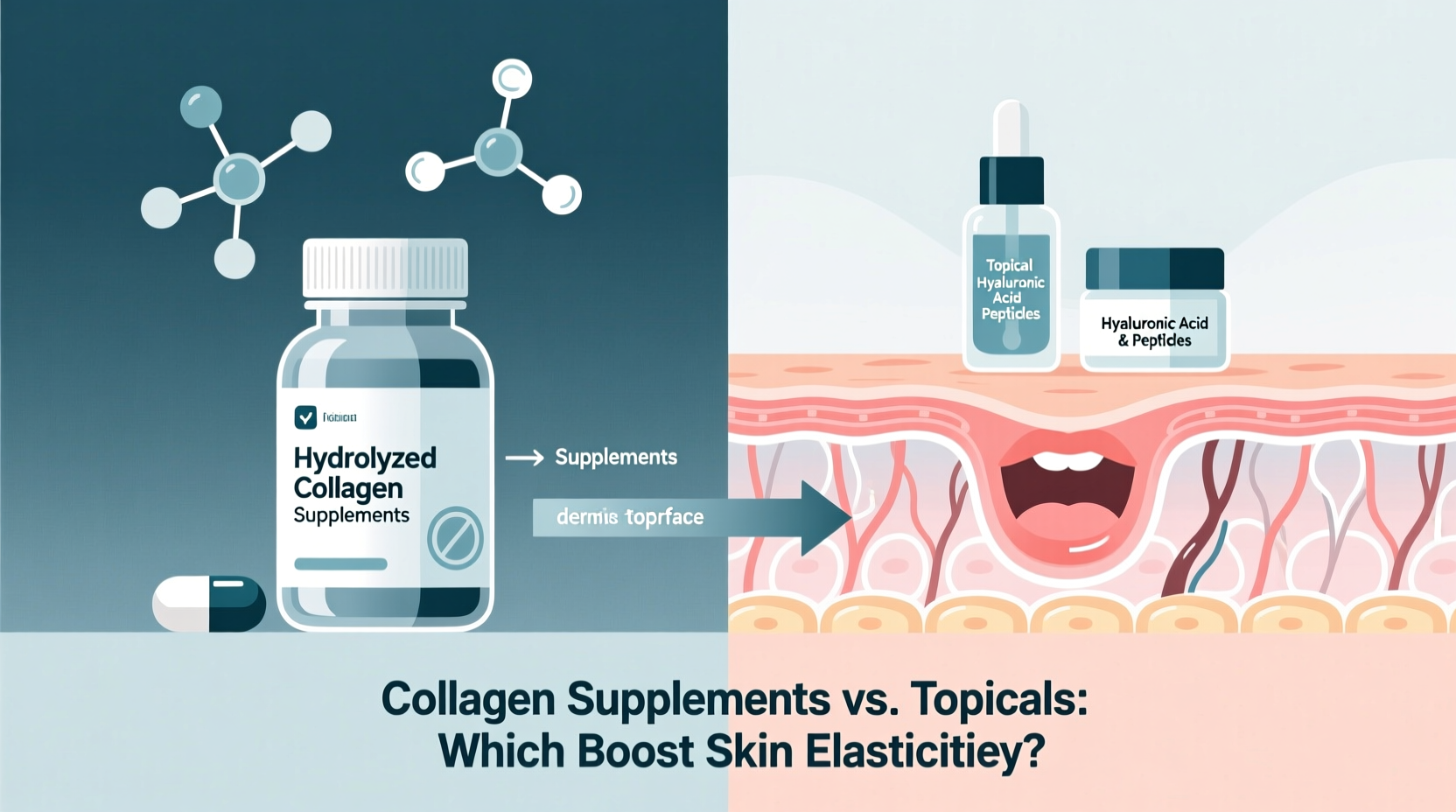
Collagen is the most abundant protein in the human body, making up nearly 80% of the dermis—the deeper layer of skin responsible for structure and resilience. It acts like a scaffold, supporting firmness and hydration. Type I and III collagen are especially critical for skin integrity. When collagen breaks down due to aging, UV exposure, pollution, and lifestyle factors like smoking, the skin loses its bounce and begins to wrinkle.
The body produces collagen endogenously, using amino acids from dietary protein, vitamin C, zinc, and copper. However, this production slows over time. External interventions—both oral and topical—aim to either boost collagen synthesis or protect existing fibers.
How Oral Collagen Supplements Work
Hydrolyzed collagen peptides, the form used in most supplements, are broken down into small chains of amino acids that are easily absorbed in the gut. Once in the bloodstream, these peptides may signal fibroblasts (skin cells) to produce more collagen, elastin, and hyaluronic acid.
A 2019 meta-analysis published in Clinical Interventions in Aging reviewed 11 studies and concluded that daily intake of 2.5–10 grams of hydrolyzed collagen significantly improved skin elasticity, hydration, and dermal collagen density after 8–12 weeks. Participants reported visibly smoother skin and reduced appearance of wrinkles.
“Oral collagen doesn’t rebuild skin like Lego bricks, but it provides the raw materials and signals needed to stimulate the body’s own repair mechanisms.” — Dr. Laura Kim, Dermatologist and Researcher at Boston University School of Medicine
Topical Collagen: Does It Penetrate?
Many anti-aging creams boast “collagen” on their labels, but the reality is less promising. Collagen molecules are too large to penetrate the skin’s outermost layer (stratum corneum). Instead, topical products containing collagen function primarily as occlusives—forming a temporary barrier that locks in moisture and gives skin a plump, smooth feel.
Some advanced formulations use bioengineered fragments or collagen-stimulating ingredients like retinoids, peptides, and growth factors. These can signal deeper layers to produce more collagen over time. For example, Matrixyl (palmitoyl pentapeptide-4) mimics collagen fragments and triggers regeneration.
While topicals won’t deliver collagen directly into the dermis, they play a crucial role in protecting the skin barrier, reducing inflammation, and preventing further breakdown of existing collagen via antioxidants like vitamin C and E.
Comparing Delivery Methods: Absorption vs. Action
| Factor | Oral Supplements | Topical Products |
|---|---|---|
| Penetration Depth | Reaches dermis via bloodstream | Limited to surface layers |
| Onset of Results | Visible changes in 8–12 weeks | Immediate hydration; long-term effects in 4–12 weeks |
| Mechanism | Stimulates internal collagen production | Protects, hydrates, and signals repair |
| Evidence Strength | Strong clinical support | Mixed; depends on active ingredients |
| Convenience | Daily habit (powder, capsule) | Part of skincare routine |
Combination Approach: Synergy Over Isolation
The most effective strategy isn’t choosing between supplements and topicals—it’s combining them. Oral collagen boosts internal reserves and supports systemic renewal, while topicals defend against environmental damage and enhance surface texture.
A 2021 randomized trial in Journal of Cosmetic Dermatology followed 60 women aged 35–55 using either oral collagen alone, a topical peptide serum alone, or both. After 12 weeks, the combination group showed a 32% improvement in elasticity—nearly double the improvement seen in either single-treatment group.
This synergy works because supplements address the root cause—declining collagen synthesis—while topicals manage external stressors like UV radiation and free radicals that accelerate breakdown.
Mini Case Study: Real-World Results
Sophia, a 42-year-old marketing executive, began noticing her skin felt looser around the jawline and lacked its former glow. She started taking 5 grams of marine collagen daily with a squeeze of lemon and introduced a nightly routine featuring a retinol serum and vitamin C moisturizer. Within three months, her dermatologist noted a measurable increase in skin firmness during a non-invasive elasticity test. Sophia reported fewer makeup settling issues and received multiple compliments on her “well-rested” look—even though her sleep hadn’t improved.
Her success wasn’t due to one product but consistency across both internal and external care.
What to Look for in Effective Products
Not all collagen supplements or topicals are created equal. Quality varies widely based on formulation, sourcing, and supporting ingredients.
Choosing a Collagen Supplement
- Type Matters: Look for Type I and III collagen, predominant in skin. Marine (fish) collagen is rich in Type I; bovine (beef) offers Types I and III.
- Hydrolyzed Form: Ensure it’s labeled “hydrolyzed collagen peptides” for optimal absorption.
- Added Nutrients: Vitamin C, hyaluronic acid, and biotin enhance effectiveness.
- Third-Party Testing: Choose brands with NSF, Informed-Sport, or USP verification for purity and dosage accuracy.
Selecting Topical Products
- Peptides: Look for palmitoyl oligopeptide, acetyl hexapeptide-8, or copper peptides.
- Retinoids: Prescription tretinoin or OTC retinol increase collagen production over time.
- Antioxidants: Vitamin C (L-ascorbic acid), ferulic acid, and niacinamide protect against oxidative stress.
- Hyaluronic Acid: While not collagen, it complements by holding up to 1,000 times its weight in water.
Step-by-Step Guide to Building an Anti-Aging Routine
- Assess Your Skin: Identify concerns—loss of firmness, fine lines, dullness—and consult a dermatologist if needed.
- Start with Supplementation: Begin with 5g of hydrolyzed collagen daily, preferably in the morning with vitamin C.
- Revise Your Skincare: Replace basic moisturizers with targeted products containing peptides, retinoids, or antioxidants.
- Be Consistent: Use products daily for at least 8 weeks before evaluating results.
- Support from Within: Eat collagen-boosting foods like bone broth, eggs, citrus fruits, and leafy greens.
- Protect Daily: Wear SPF 30+ every day, even indoors—UV rays degrade collagen through windows.
- Track Progress: Take monthly photos under consistent lighting to monitor changes.
Common Myths and Misconceptions
- Myth: Eating gelatin gives you glowing skin. While gelatin contains collagen, it’s not hydrolyzed and less bioavailable. Supplements are more reliable.
- Myth: Topical collagen rebuilds skin. As previously explained, intact collagen can’t penetrate deeply. Claims otherwise are misleading.
- Myth: More collagen means better results. Studies show diminishing returns above 10g/day. Balance is key.
- Myth: Only older adults need collagen support. Prevention starts in your 20s. Sun protection and early supplementation can delay visible aging.
Frequently Asked Questions
Can vegetarians benefit from collagen supplements?
Traditional collagen comes from animal sources, so strict vegetarians and vegans cannot consume it. However, some companies now offer “vegan collagen” made from genetically modified yeast or bacteria that produce human-like collagen peptides. These are still emerging, but early research is promising. Alternatively, focusing on plant-based nutrients that support collagen synthesis—like vitamin C, lysine, and proline—can be highly effective.
Are there side effects to taking collagen supplements?
Collagen is generally safe for most people. Some report mild digestive discomfort, such as bloating or a strange taste. Those with fish or egg allergies should avoid marine or egg-based collagen. There’s no evidence of long-term harm, but consult your doctor if you have kidney disease or are on medication.
How soon will I see results?
Most clinical trials report noticeable improvements in skin elasticity and hydration within 8 to 12 weeks. Some users report feeling a difference in skin texture as early as 4 weeks. Consistency is essential—stopping supplementation typically leads to reversal of benefits within a few months.
Checklist: Optimizing Your Collagen Strategy
- ☐ Take 2.5–10g of hydrolyzed collagen daily
- ☐ Pair with vitamin C for enhanced synthesis
- ☐ Use a topical serum with peptides or retinol
- ☐ Apply broad-spectrum sunscreen every morning
- ☐ Avoid smoking and excessive sun exposure
- ☐ Eat a protein-rich diet with plenty of colorful vegetables
- ☐ Reassess skin condition every 3 months
Conclusion: A Balanced Path to Firmer, Youthful Skin
Collagen supplements do improve skin elasticity—backed by growing scientific evidence. They work from the inside out, supporting the skin’s foundational structure in ways topical products simply cannot. Yet, dismissing topicals would be a mistake. They protect, hydrate, and amplify the benefits of internal support.
The truth lies in integration. Relying solely on a collagen cream won’t reverse deep structural loss. Taking supplements without protecting your skin from UV damage will undermine your progress. True skin resilience comes from a holistic strategy: nourish from within, defend from outside, and stay consistent.




 浙公网安备
33010002000092号
浙公网安备
33010002000092号 浙B2-20120091-4
Comments
No comments yet. Why don't you start the discussion?