
Collagen has become a household name in the beauty and wellness world. Marketed as a miracle solution for youthful skin, stronger nails, and healthier joints, it's now available in powders, capsules, gummies, and even lattes. But with all the hype, a critical question remains: do collagen supplements actually improve skin elasticity, or do they simply break down and pass through your digestive system without benefit?
The answer isn’t a simple yes or no. It lies in understanding how collagen works in the body, how supplements are processed, and what clinical evidence says about their real-world impact. This article dives deep into the science, separates fact from marketing fiction, and gives you a clear picture of whether these supplements deliver measurable benefits for your skin.
How Collagen Works in the Body
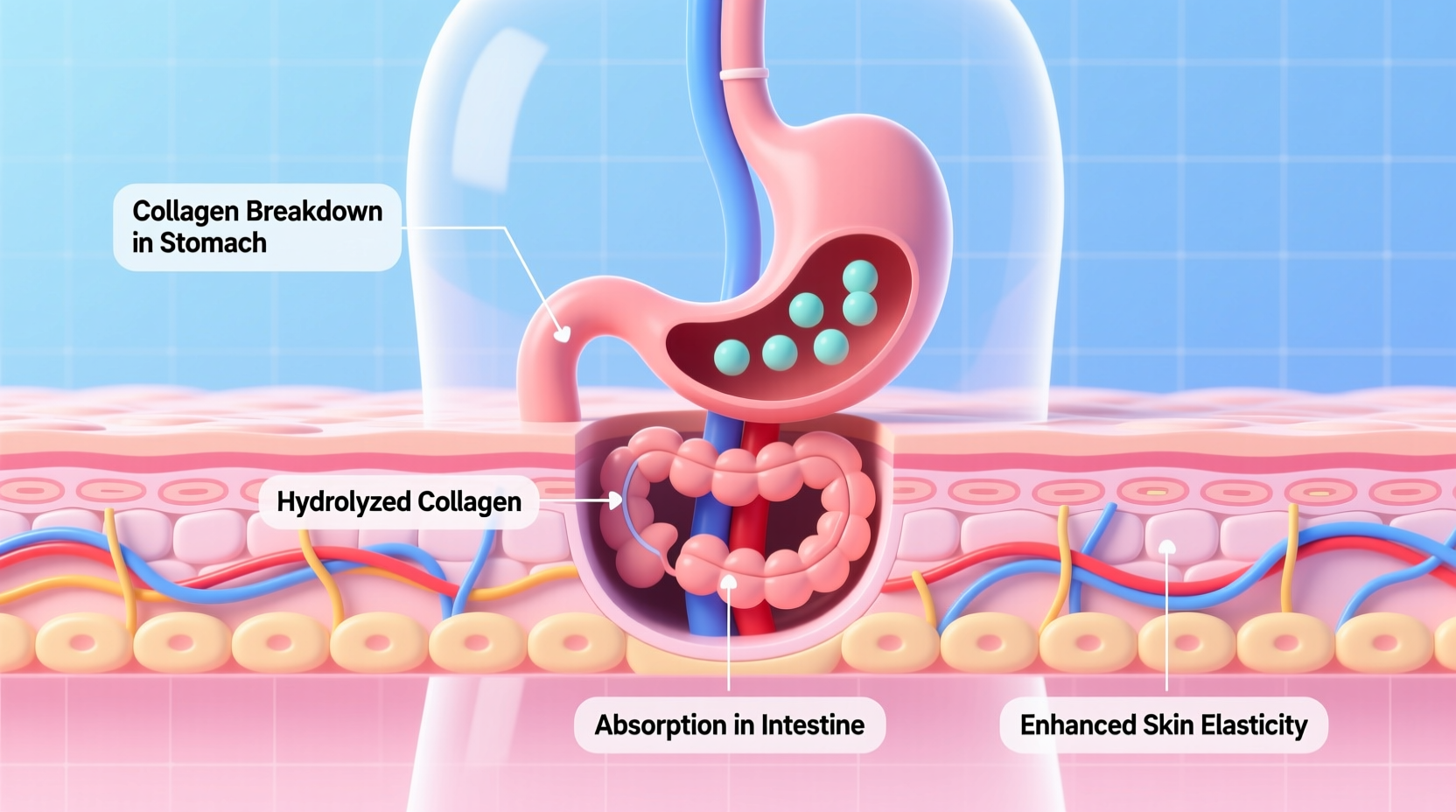
Collagen is the most abundant protein in the human body, making up about 30% of total protein content. It’s the structural scaffold of skin, bones, tendons, ligaments, and connective tissues. In the skin, collagen provides firmness, strength, and resilience. Along with elastin and hyaluronic acid, it keeps skin plump and elastic.
Naturally, collagen production declines with age—starting as early as your mid-20s. By the time you reach 40, you may lose 1% of your collagen annually. Environmental factors like UV exposure, smoking, and poor diet accelerate this loss, leading to visible signs of aging: fine lines, wrinkles, and sagging skin.
The idea behind collagen supplementation is straightforward: if your body produces less collagen over time, could adding more via supplements help restore what’s lost? But here’s where it gets complicated. The collagen you ingest isn’t the same as the collagen already in your skin.
Digestion and Absorption: Do Collagen Peptides Survive?
When you consume collagen—whether from bone broth, gelatin, or a supplement—it enters the digestive tract. Proteins are broken down by stomach acids and enzymes into amino acids and small peptides. Whole collagen molecules are too large to be absorbed intact.
However, hydrolyzed collagen—the form used in most supplements—is pre-digested. It’s broken down into smaller units called collagen peptides or collagen hydrolysate. These low-molecular-weight peptides are more easily absorbed through the intestinal lining into the bloodstream.
Research shows that specific collagen peptides, such as proline-hydroxyproline (Pro-Hyp) and glycine-proline (Gly-Pro), can survive digestion and appear in the blood within hours of ingestion. Once in circulation, these peptides don’t necessarily go straight to the skin—but they send signals that stimulate fibroblasts, the cells responsible for producing new collagen.
“Oral collagen peptides are bioavailable and can accumulate in the skin, where they promote dermal matrix synthesis.” — Dr. Nicholas Perricone, Dermatologist and Nutrition Researcher
This mechanism suggests that collagen supplements don’t “replace” lost collagen directly but act as messengers that trigger the body’s own repair systems.
Clinical Evidence: Do They Improve Skin Elasticity?
Over the past decade, numerous clinical trials have investigated the effects of collagen supplementation on skin health. Most focus on women aged 35–70, measuring changes in skin hydration, elasticity, roughness, and wrinkle depth after 8–12 weeks of daily intake.
A 2019 meta-analysis published in Aesthetic Plastic Surgery reviewed 19 studies involving over 1,100 participants. The conclusion? Oral collagen supplements significantly improved skin elasticity, hydration, and dermal collagen density compared to placebo groups.
Another double-blind, placebo-controlled study published in Journal of Medicinal Food found that women who took 2.5 grams of hydrolyzed collagen daily for 12 weeks showed a 7% increase in skin elasticity and reduced eye wrinkle volume.
While results vary, the overall trend in peer-reviewed research supports a modest but measurable improvement in skin quality. The most consistent benefits are seen in:
- Increased skin hydration
- Improved elasticity (especially in postmenopausal women)
- Reduced appearance of fine lines and wrinkles
- Enhanced nail strength and growth
It’s important to note that improvements are gradual. Most studies report visible changes after 8–12 weeks of consistent use. There is little evidence of dramatic overnight transformation.
What Happens If You Skip the Vitamin C?
Vitamin C plays a crucial role in collagen formation. It acts as a cofactor for enzymes that stabilize collagen molecules. Without sufficient vitamin C, even high collagen intake won’t translate into effective skin repair.
If you’re taking collagen but lack adequate vitamin C, much of the benefit may be lost. Your body might absorb the peptides, but the signaling to produce new collagen fibers will be inefficient. Think of collagen peptides as construction workers and vitamin C as the tools they need to build.
This synergy explains why many premium collagen supplements include added vitamin C or recommend pairing with citrus fruits, bell peppers, or other rich sources.
Types of Collagen: Not All Supplements Are Equal
There are at least 28 types of collagen in the body, but Types I, II, and III are the most common. For skin health, Type I is the key player—it makes up about 80% of your skin’s dry weight.
Most oral supplements use hydrolyzed bovine (from cows), marine (from fish), or chicken-derived collagen. Here’s how they compare:
| Type | Source | Best For | Notes |
|---|---|---|---|
| Hydrolyzed Bovine | Cowhide or bones | Skin, hair, nails, joints | Rich in Types I & III; affordable but not suitable for pescatarians |
| Marine Collagen | Fish scales or skin | Skin elasticity, anti-aging | High in Type I; smaller peptides may enhance absorption; sustainable sourcing matters |
| Chicken Collagen | Chicken sternum | Joints (Type II) | Better for joint support than skin; lower concentration of Type I |
For skin-specific benefits, marine or bovine hydrolyzed collagen with a high Type I content is recommended. Look for third-party tested products with proven bioavailability.
Realistic Expectations: A Mini Case Study
Sarah, a 45-year-old graphic designer, started noticing her skin felt looser around the jawline and her under-eye area appeared drier. She began taking 10 grams of marine collagen daily, mixed into her morning smoothie with a squeeze of lemon (for vitamin C). She also committed to wearing sunscreen daily and reduced sugar in her diet.
After six weeks, she didn’t see dramatic changes. But by week 10, her daughter commented, “Mom, your skin looks glowy.” Sarah noticed her foundation applied more smoothly and her neck skin felt firmer when she touched it.
She didn’t look 10 years younger, but her skin had regained subtle resilience. A follow-up dermatologist visit confirmed mild improvement in dermal density via ultrasound imaging. Sarah concluded that while collagen wasn’t a magic fix, it was a meaningful part of her skin-support routine.
Her experience reflects what many users report: incremental, cumulative improvements rather than instant transformations.
Step-by-Step Guide to Using Collagen Effectively
To maximize the potential benefits of collagen supplements, follow this science-backed timeline:
- Week 1: Choose a high-quality hydrolyzed collagen supplement (marine or bovine, 5–10g daily).
- Week 2: Take it consistently every morning on an empty stomach with a source of vitamin C (e.g., orange juice or supplement).
- Week 3–4: Monitor for any digestive discomfort. Some people experience mild bloating initially.
- Week 5–8: Begin assessing subtle changes—skin texture, hydration, makeup application.
- Week 9–12: Evaluate elasticity and fine lines. Take side-by-side photos in consistent lighting.
- After 12 Weeks: Decide whether to continue based on perceived results and budget. Consider cycling on and off if long-term use isn’t sustainable.
Consistency is critical. Skipping days reduces peptide availability and weakens the signaling effect on fibroblasts.
Common Myths and Misconceptions
Despite growing evidence, several myths persist:
- Myth: Collagen supplements rebuild skin like scaffolding. Reality: They stimulate your body to make its own collagen, not replace it directly.
- Myth: All collagen is the same regardless of source. Reality: Bioavailability varies by type, source, and hydrolysis process.
- Myth: You’ll see results in a week. Reality: Most studies show changes after 8+ weeks of daily use.
- Myth: Topical collagen creams work the same way. Reality: Collagen molecules in creams are too large to penetrate skin; oral peptides have better systemic reach.
Checklist: Choosing the Right Collagen Supplement
Before buying, ask yourself these questions:
- ✅ Is it hydrolyzed (collagen peptides)?
- ✅ Does it contain Type I collagen as the primary component?
- ✅ Is there added vitamin C or should I pair it with a dietary source?
- ✅ Is it third-party tested for purity and heavy metals (especially marine collagen)?
- ✅ Is the dosage clinically effective (typically 2.5–10g per day)?
- ✅ Does it fit my dietary preferences (halal, kosher, pescatarian, etc.)?
Skipping any of these steps could mean spending money on a product that doesn’t deliver results.
Frequently Asked Questions
Can vegetarians or vegans benefit from collagen supplements?
Traditional collagen is animal-derived, so there are no true vegan collagen supplements. However, some companies offer “vegan collagen boosters”—plant-based blends with amino acids (like glycine and proline), vitamin C, and silica designed to support the body’s natural collagen production. While promising, they don’t provide pre-formed peptides and lack the same clinical backing as animal-based hydrolyzed collagen.
Are there side effects to taking collagen daily?
Collagen is generally safe for most people. Some report mild digestive upset, such as bloating or a feeling of fullness. Those with fish or egg allergies should avoid marine or chicken-derived collagen. Always consult your doctor if you have kidney disease or are on a high-protein medical diet.
Do collagen supplements help with acne or oily skin?
There’s no strong evidence that collagen improves acne. In fact, some anecdotal reports suggest dairy-based collagen (like bovine) may trigger breakouts in sensitive individuals. Collagen primarily supports structural skin components, not sebum regulation or bacterial balance.
Conclusion: Do They Work or Just Pass Through?
The notion that collagen supplements merely pass through the system undigested is outdated. Modern research confirms that hydrolyzed collagen peptides are absorbed, enter the bloodstream, and accumulate in the skin. They don’t rebuild skin like Lego blocks, but they do signal fibroblasts to ramp up collagen and hyaluronic acid production.
While they won’t erase deep wrinkles or replace retinoids and sunscreen, they offer a supportive role in a comprehensive skin health strategy. When combined with sun protection, a balanced diet, and proper hydration, collagen supplements can contribute to improved elasticity and a more resilient complexion—especially in aging or sun-exposed skin.
The truth is nuanced: collagen supplements don’t work for everyone, and results vary. But for many, especially those over 35 with declining natural production, they represent a well-tolerated, science-supported option worth trying.




 浙公网安备
33010002000092号
浙公网安备
33010002000092号 浙B2-20120091-4
Comments
No comments yet. Why don't you start the discussion?