
Walk into any modern home, spa, or wellness studio, and you’ll likely encounter the soft mist of an essential oil diffuser filling the air with a calming lavender or uplifting citrus scent. These compact devices have become staples in self-care routines, marketed not only for their ability to freshen a space but also to enhance emotional well-being. But behind the aromatic appeal lies a pressing question: do essential oil diffusers actually improve mood, or are they simply decorative air fresheners with a psychological placebo effect?
The answer isn’t binary. While diffusers undeniably scent a room, growing scientific interest and centuries of traditional use suggest that certain essential oils may influence brain chemistry, stress response, and emotional regulation. However, results vary based on oil type, concentration, individual sensitivity, and environmental context. Understanding the difference between ambiance and actual mood modulation requires examining both the biology of scent and the psychology of perception.
The Science Behind Scent and Emotion
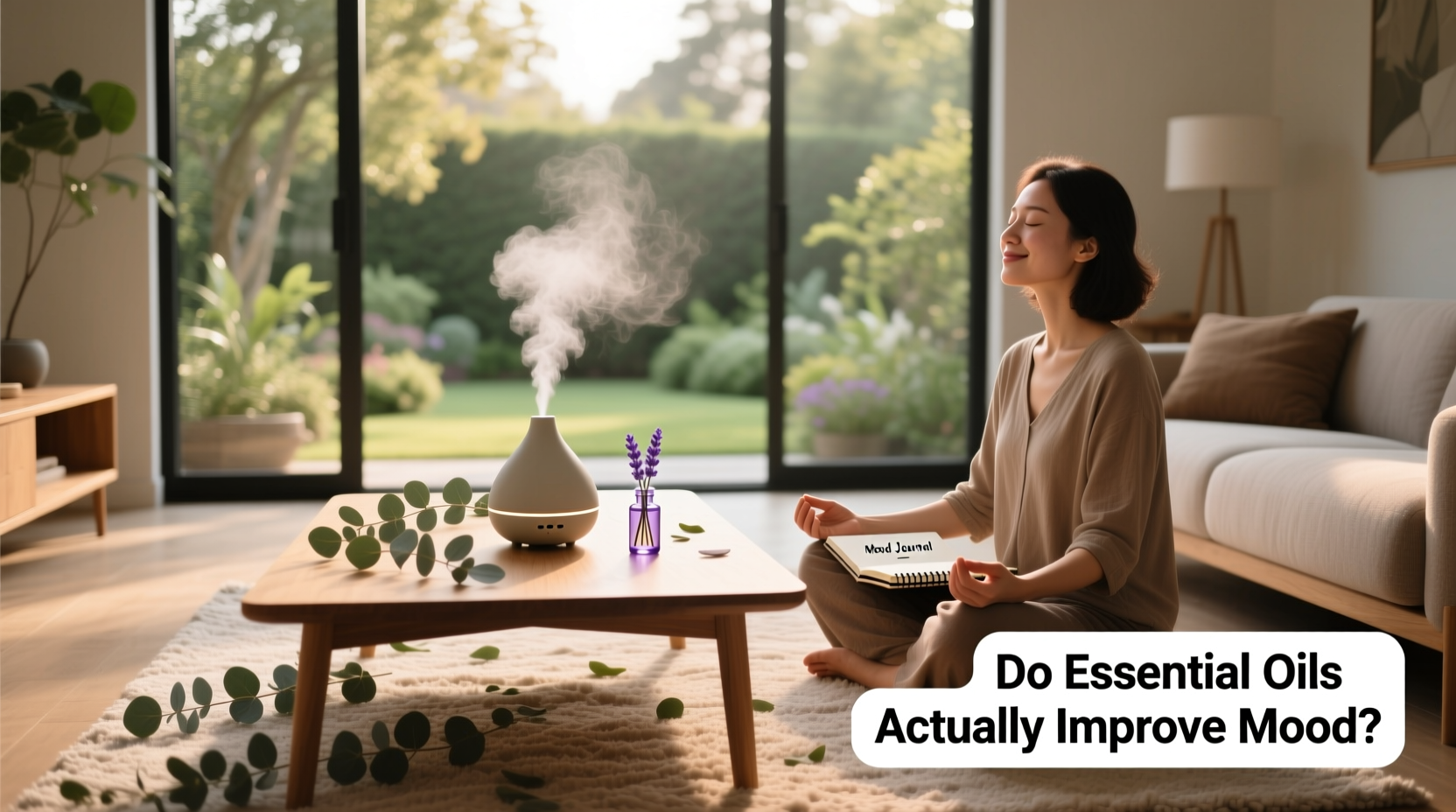
The human sense of smell is uniquely tied to the limbic system—the part of the brain responsible for emotions, memory, and arousal. When you inhale essential oil molecules dispersed by a diffuser, those compounds travel through the nasal passages to the olfactory bulb, which sends signals directly to the amygdala and hippocampus. These regions process fear, pleasure, and long-term memory, explaining why a single scent can trigger vivid recollections or shift your emotional state almost instantly.
A 2017 review published in *Frontiers in Psychology* highlighted that aromatherapy can produce measurable changes in autonomic nervous system activity. For example, lavender has been associated with reduced heart rate and blood pressure, while citrus scents like bergamot and sweet orange have demonstrated mild antidepressant effects in clinical settings. These responses aren't merely imagined—they reflect real physiological shifts, even if subtle.
However, it’s important to distinguish between mood enhancement and medical treatment. Essential oils are not replacements for therapy or medication in cases of clinical depression or anxiety. Instead, they function as complementary tools—much like music, lighting, or meditation—that can support emotional balance when used intentionally.
“Olfaction is one of the few senses with direct access to the emotional brain. Aromas don’t just linger in the air; they resonate in our neural circuitry.” — Dr. Rachel Herz, Cognitive Neuroscientist and Author of *The Scent of Desire*
Essential Oils That May Influence Mood
Not all essential oils affect the brain equally. Some are stimulating, others sedative, and many fall somewhere in between. The following oils have been studied for their potential mood-modulating properties:
- Lavender (Lavandula angustifolia): Most widely researched for anxiety reduction. Multiple studies show it can decrease cortisol levels and improve sleep quality.
- Bergamot (Citrus bergamia): Known for its uplifting yet calming effect. One hospital study found that diffusing bergamot oil reduced patient stress during procedures.
- Ylang-Ylang (Cananga odorata): Linked to reduced irritability and lower blood pressure. Often used in blends targeting emotional balance.
- Frankincense (Boswellia carterii): Used traditionally in meditation practices. Emerging research suggests it may support focus and reduce feelings of overwhelm.
- Patchouli (Pogostemon cablin): Grounding and earthy, often recommended for emotional stability and combating fatigue.
- Peppermint (Mentha piperita): Invigorating and alertness-promoting. Best used in the morning or during mental fatigue.
Diffusers vs. Other Aromatherapy Methods
While diffusers are popular, they’re not the only way to experience essential oils. How method impacts efficacy matters:
| Method | Mood Impact Potential | Best Use Case |
|---|---|---|
| Ultrasonic Diffuser | Moderate to High (continuous exposure) | Daily mood support, ambient relaxation |
| Nebulizing Diffuser | High (concentrated dispersion) | Targeted emotional relief, short sessions |
| Inhaler Stick | High (personalized, on-demand) | Anxiety management, portable use |
| Topical Application (diluted) | Variable (skin absorption + scent) | Localized tension, combined sensory input |
| Candles & Reed Diffusers | Low to Moderate (lower oil concentration) | Decorative scenting, minimal therapeutic impact |
Ultrasonic diffusers, the most common household type, use water and vibration to create a fine mist. They’re safe and effective for general mood enhancement but disperse oils at lower concentrations than nebulizers, which atomize pure oil without water. For serious emotional support, especially during high-stress periods, a nebulizing diffuser may deliver more potent results.
Real-World Example: Managing Workday Stress
Sarah, a project manager in Toronto, struggled with afternoon anxiety and mental fatigue. Despite trying meditation apps and desk stretches, she felt overwhelmed by midweek slumps. On her wellness coach’s suggestion, she began using a nebulizing diffuser with a blend of bergamot, frankincense, and a hint of peppermint each morning in her home office.
Within two weeks, Sarah reported improved focus and fewer instances of reactive frustration during team meetings. She didn’t track biomarkers, but her subjective experience was clear: “It’s not magic, but the room feels calmer, and I catch myself breathing deeper. It’s like the scent gives me permission to pause.”
This anecdote illustrates a key principle: mood improvement from diffusers often arises from a combination of physiological response and behavioral cue. The ritual of turning on the diffuser became a signal to transition into a focused, composed state—similar to how brewing tea might mark the start of a mindful break.
How to Use a Diffuser for Genuine Mood Support
To move beyond mere room scenting, intentionality is crucial. Here’s a step-by-step guide to maximize emotional benefits:
- Choose the right oil for your goal: Calm? Use lavender or chamomile. Energize? Try grapefruit or rosemary. Balance? Blend ylang-ylang with sandalwood.
- Use a high-quality diffuser: Opt for ultrasonic or nebulizing models that preserve oil integrity. Avoid heat-based diffusers, which can degrade active compounds.
- Diffuse at strategic times: 15–30 minutes in the morning to set tone, before bedtime for relaxation, or during transitions (e.g., post-work decompression).
- Control duration and frequency: Overuse dulls the olfactory response. Limit sessions to 30–60 minutes with breaks in between.
- Pair with mindfulness: Combine diffusion with deep breathing, journaling, or stretching to reinforce the emotional cue.
- Monitor your response: Keep a brief log noting mood changes, energy levels, and sleep quality over a week to assess effectiveness.
Common Misconceptions About Diffusers and Mood
Despite growing popularity, several myths persist:
- Myth: All diffusers offer the same benefits.
Reality: Output varies widely. Cheap models may disperse too little oil to have any neurological effect. - Myth: More scent equals better results.
Reality: Overpowering aromas can cause headaches or irritation, counteracting mood goals. - Myth: Any essential oil brand works.
Reality: Adulterated or synthetic oils lack therapeutic compounds. Choose third-party tested, pure oils from reputable suppliers. - Myth: Effects are immediate and dramatic.
Reality: Subtle shifts accumulate over time. Think of diffusers as part of a holistic wellness routine, not instant fixes.
Frequently Asked Questions
Can essential oil diffusers help with anxiety?
Yes, for some individuals. Oils like lavender, bergamot, and clary sage have demonstrated anxiolytic (anxiety-reducing) effects in controlled studies. However, results depend on personal chemistry and consistency of use. They should complement—not replace—professional care for chronic anxiety.
Are there risks to using diffusers for mood enhancement?
Potential risks include respiratory irritation in sensitive individuals, especially with strong oils like eucalyptus or camphor. Pets, particularly cats, can be adversely affected by certain oils. Always ensure proper ventilation and consult a veterinarian if pets are present.
How long does it take to notice mood changes from diffusing?
Some people report feeling calmer within minutes, especially with relaxing scents. Others notice gradual improvements in sleep or stress resilience after consistent use over several days or weeks. Tracking your experience helps identify what works.
Action Checklist: Optimizing Your Diffuser for Emotional Wellness
- ✅ Select 1–2 essential oils aligned with your mood goal (e.g., calm, focus, uplift).
- ✅ Invest in a high-output ultrasonic or nebulizing diffuser.
- ✅ Diffuse for 15–30 minutes during key daily transitions (morning, pre-sleep).
- ✅ Combine diffusion with a mindfulness practice (deep breathing, gratitude journal).
- ✅ Rotate oils monthly to prevent desensitization.
- ✅ Monitor your emotional baseline and adjust as needed.
Conclusion: Beyond Scent—Toward Intentional Atmosphere
Essential oil diffusers do more than scent a room—they engage the brain’s emotional centers in ways that can genuinely influence mood. While they won’t cure depression or eliminate stress, they serve as accessible, non-invasive tools for cultivating a calmer, more centered environment. The key lies in moving beyond passive fragrance use to intentional, informed practice.
When chosen wisely and used consistently, essential oils dispersed through a quality diffuser can become part of a broader strategy for emotional resilience. Whether it’s starting the day with clarity, unwinding after work, or creating a sanctuary for rest, the right aroma at the right time can make a meaningful difference.




 浙公网安备
33010002000092号
浙公网安备
33010002000092号 浙B2-20120091-4
Comments
No comments yet. Why don't you start the discussion?