
Essential oil diffusers have become a staple in modern homes, touted for their calming scents, mood-enhancing effects, and claims of air purification. From lavender to eucalyptus, people use them hoping to cleanse the air of pollutants, allergens, and bacteria. But behind the serene mist and pleasant aromas lies a critical question: do essential oil diffusers actually purify the air, or is their perceived benefit little more than a placebo effect?
This article dives into the science, separates marketing hype from measurable outcomes, and evaluates whether diffusers can genuinely improve indoor air quality—or if they're simply psychological comfort devices with aromatic appeal.
The Science Behind Air Purification
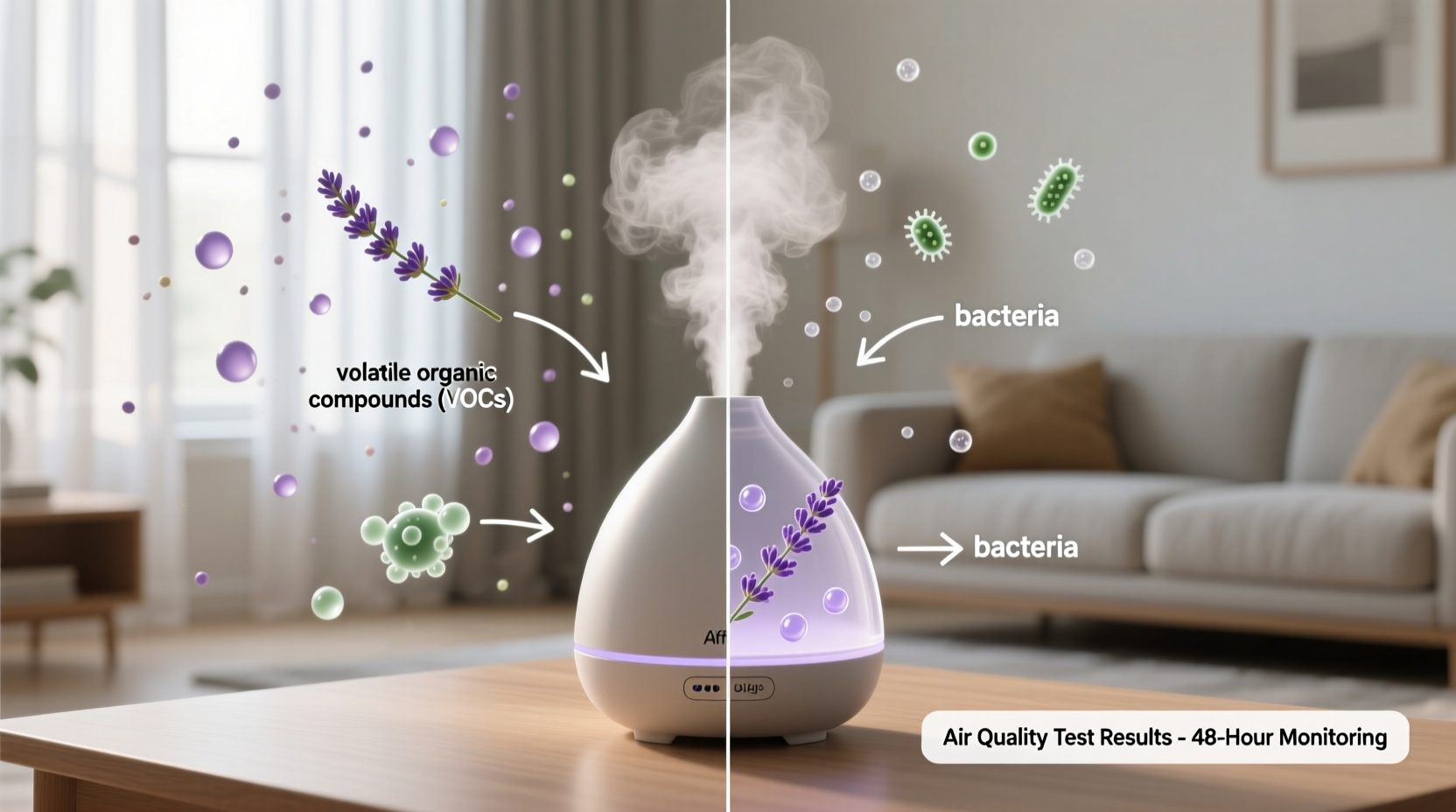
Air purification refers to the removal of contaminants such as dust, mold spores, bacteria, viruses, volatile organic compounds (VOCs), and allergens from indoor environments. True air purifiers use mechanical filtration (like HEPA filters), activated carbon, UV-C light, or ionization to capture or neutralize airborne particles.
In contrast, essential oil diffusers work by dispersing microscopic oil droplets into the air using ultrasonic vibration, heat, or evaporation. While this process releases fragrance and certain bioactive compounds, it does not remove physical pollutants. In fact, some diffusers may introduce additional particles into the air, which could be problematic for individuals with respiratory conditions.
The key distinction is this: diffusers alter the air chemically through scent and antimicrobial compounds, but they do not filter it physically like a HEPA-based purifier.
What Essential Oils Can (and Can’t) Do
Certain essential oils—such as tea tree, eucalyptus, thyme, and clove—have demonstrated antimicrobial properties in laboratory settings. Studies show that these oils can inhibit the growth of bacteria, fungi, and even some viruses when applied directly or used in controlled vapor environments.
For example, a 2010 study published in *Letters in Applied Microbiology* found that essential oil vapors from thyme and cinnamon significantly reduced airborne microbes in a closed chamber. However, these results were achieved under highly controlled conditions, with high concentrations of oil and limited airflow—conditions far removed from a typical living room.
While promising, these findings don’t translate directly to real-world effectiveness. The concentration of oil dispersed by a home diffuser is typically too low to achieve meaningful microbial reduction across an entire room. Moreover, most studies test oils in petri dishes or sealed chambers, not open residential spaces with ventilation, furniture, and variable humidity.
“Essential oils have biocidal potential, but their efficacy in ambient air depends on concentration, exposure time, and environmental factors. A standard diffuser is unlikely to replicate lab-grade disinfection.” — Dr. Laura Chen, Environmental Microbiologist, University of Oregon
Placebo vs. Perceived Benefits
One reason essential oil diffusers feel effective is the powerful influence of scent on perception. When people smell clean, fresh, or medicinal aromas like lemon, pine, or peppermint, they often associate the scent with cleanliness—even if no actual purification has occurred.
This phenomenon is well-documented in consumer behavior research. A 2015 study in the *Journal of Environmental Psychology* showed that participants rated rooms as “cleaner” and “healthier” when citrus or pine scents were introduced, regardless of actual air quality.
In this context, the diffuser acts less as a purifier and more as a sensory cue—a form of olfactory placebo. The brain interprets the pleasant aroma as evidence of improved air, triggering feelings of relaxation, alertness, or well-being. These subjective benefits are real and valuable, but they should not be mistaken for objective air cleaning.
Comparing Diffusers to Real Air Purifiers
To understand what diffusers can realistically achieve, it helps to compare them directly to devices designed specifically for air purification.
| Feature | Essential Oil Diffuser | HEPA Air Purifier |
|---|---|---|
| Removes dust, pollen, pet dander | No | Yes |
| Reduces airborne bacteria/viruses | Potentially minimal, under ideal conditions | Yes, with HEPA + UV-C models |
| Eliminates odors at source | No – masks with fragrance | Yes – with activated carbon filter |
| Improves perceived air freshness | Yes – strongly | Mildly (if equipped with scent feature) |
| Safe for asthma/allergy sufferers | Risk of irritation from fine mist or VOCs | Generally safe and recommended |
| Energy consumption | Low | Moderate to high |
As shown, while diffusers excel at enhancing ambiance and mood, they fall short in removing particulates or neutralizing harmful gases. For individuals with allergies, asthma, or concerns about indoor pollutants like formaldehyde or smoke, a true air purifier remains the superior choice.
When Diffusers May Offer Real Air Quality Benefits
Despite their limitations, there are specific scenarios where essential oil diffusion may contribute to modest improvements in air quality:
- Reducing surface microbes: Some oils, like tea tree and eucalyptus, have been shown to reduce microbial load on surfaces when diffused over time in small, enclosed spaces.
- Inhibiting mold growth: Certain terpenes in essential oils (e.g., citral, limonene) exhibit antifungal activity and may slow mold spore proliferation in damp areas.
- Natural odor neutralization: Unlike synthetic air fresheners that merely mask smells, some essential oils chemically interact with odor molecules, breaking down compounds like ammonia or sulfur.
However, these effects are generally localized and temporary. They should be viewed as complementary—not replacements—for proper ventilation, cleaning, and mechanical filtration.
Mini Case Study: Office Wellness Experiment
A small tech startup in Portland implemented a wellness initiative involving daily essential oil diffusion using a blend of lemon, rosemary, and peppermint. Employees reported feeling more alert and noticed fewer instances of colds during the winter months.
However, an independent air quality test conducted before and after the trial revealed no significant change in particulate matter (PM2.5), CO₂ levels, or airborne bacteria counts. While employee satisfaction and self-reported focus improved, objective air metrics remained unchanged.
The takeaway? The diffuser likely enhanced morale and cognitive performance through aroma-induced alertness—but did not meaningfully purify the air. The health benefits were psychosomatic and behavioral, not environmental.
Best Practices for Using Essential Oil Diffusers Responsibly
If you choose to use a diffuser, doing so wisely maximizes benefits while minimizing risks. Follow this checklist to ensure safe and effective use:
- Use only 100% pure, therapeutic-grade essential oils (avoid synthetic fragrances)
- Diffuse in cycles: 30 minutes on, 30–60 minutes off to prevent overexposure
- Keep diffusers away from pets, especially cats and birds, who are sensitive to essential oils
- Clean your diffuser weekly to prevent oil buildup and bacterial growth
- Avoid prolonged use in poorly ventilated rooms
- Never leave a diffuser running unattended overnight
- Consult a doctor before use if pregnant, asthmatic, or immunocompromised
Step-by-Step Guide to Maximizing Diffuser Benefits
- Choose the right oil: Select oils with known antimicrobial or mood-supporting properties (e.g., tea tree for cleanliness, lavender for relaxation).
- Dilute properly: Follow manufacturer guidelines for water-to-oil ratios. Over-concentrating can irritate lungs.
- Time your sessions: Run the diffuser during waking hours, avoiding sleep unless using gentle oils like chamomile.
- Pair with ventilation: Open windows periodically to prevent VOC accumulation and maintain fresh airflow.
- Monitor reactions: Watch for headaches, coughing, or eye irritation—signs that the oil or mist level is too strong.
- Combine with other methods: Use alongside houseplants, regular dusting, and vacuuming for holistic air quality improvement.
Frequently Asked Questions
Can essential oils kill viruses in the air?
Some essential oils have virucidal properties in lab studies, but there is no conclusive evidence that home diffusers release sufficient concentrations to inactivate airborne viruses like influenza or SARS-CoV-2. Relying on diffusers for virus protection is not advisable.
Are diffusers safe for babies and children?
Caution is strongly advised. Infants and young children have sensitive respiratory systems. Many essential oils (e.g., eucalyptus, camphor) can cause breathing difficulties if inhaled excessively. If used at all, diffusers should run briefly in well-ventilated areas, never in nurseries or sleeping spaces.
Do diffusers add moisture to the air?
Ultrasonic diffusers do release a fine mist, which adds minimal humidity. However, they are not substitutes for humidifiers. The amount of moisture is negligible and inconsistent compared to dedicated humidification devices.
Conclusion: Function, Feeling, and Fact
Essential oil diffusers do not purify the air in the way HEPA filters or activated carbon systems do. They do not remove dust, allergens, or dangerous particulates. Scientifically, their ability to reduce airborne pathogens is limited to controlled environments and high concentrations—conditions not replicated in typical households.
Yet, dismissing them entirely would overlook their genuine value. Diffusers can elevate mood, reduce stress, and create a sense of cleanliness through scent psychology. For many, the ritual of diffusion becomes part of a wellness routine that supports mental clarity and emotional balance.
The truth lies in reframing expectations. Instead of viewing diffusers as air purifiers, consider them tools for sensory well-being—an aromatic complement to real purification methods, not a replacement.




 浙公网安备
33010002000092号
浙公网安备
33010002000092号 浙B2-20120091-4
Comments
No comments yet. Why don't you start the discussion?