
Stress has become a constant companion in modern life. From work deadlines to personal responsibilities, many people are searching for quick, accessible ways to regain emotional balance. Enter essential oil rollers—compact, convenient tools infused with aromatic plant extracts that promise calm at a swipe. But do they actually reduce stress, or is their effect purely psychological? The answer lies somewhere between biology, psychology, and centuries-old traditions of herbal healing.
Essential oil rollers are pre-diluted blends of concentrated plant oils and carrier oils designed for topical application. Commonly applied to pulse points like wrists, temples, or behind the ears, they’ve gained popularity as natural mood modulators. While some swear by their anxiety-soothing powers, skeptics argue it’s all placebo. To separate fact from fragrance, we need to examine how scent influences the brain, what research says about specific oils, and how ritual itself plays a role in emotional regulation.
The Science Behind Scent and Stress
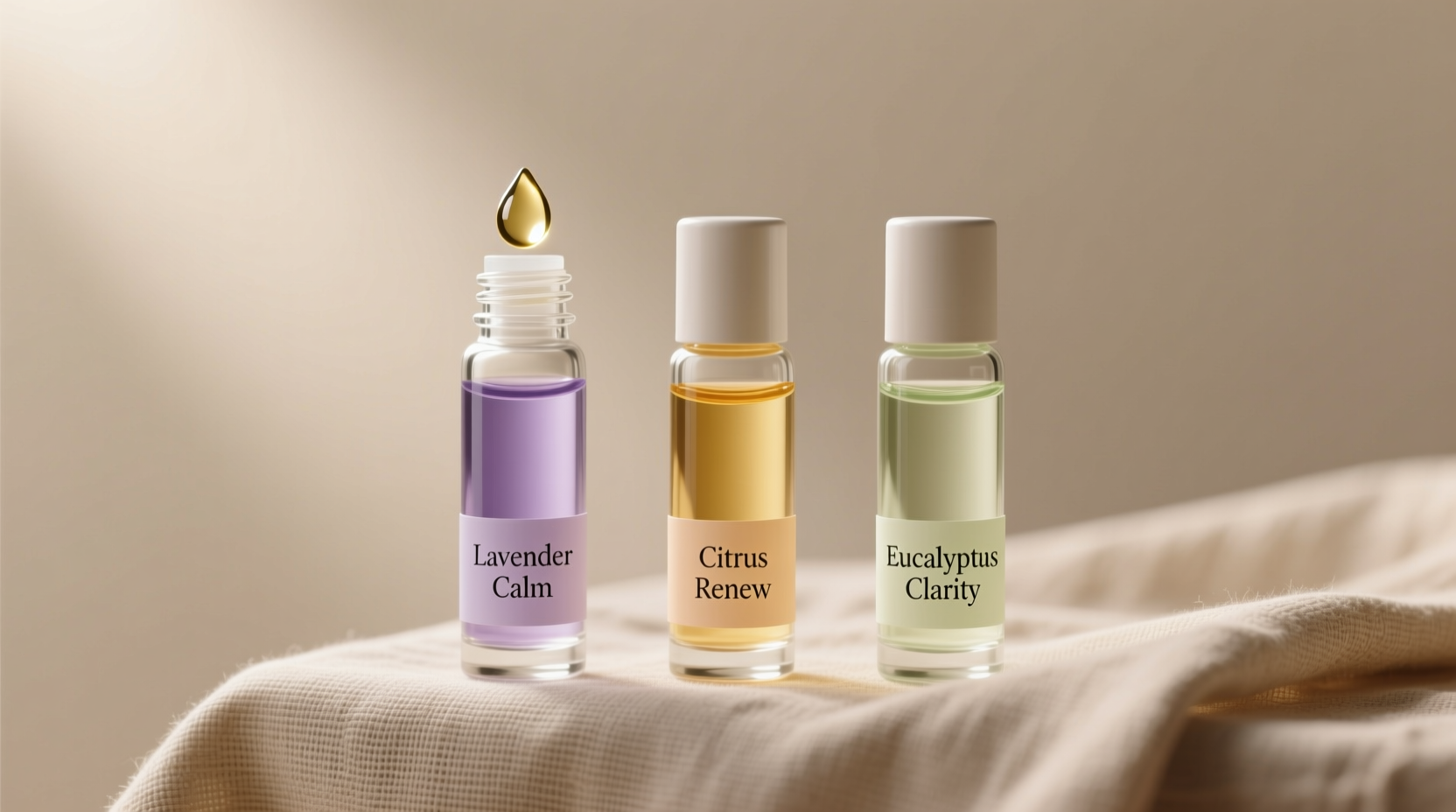
The human olfactory system—the sense of smell—is uniquely wired to the brain’s limbic system, which governs emotions, memory, and arousal. When you inhale an aroma, odor molecules travel through the nasal cavity to the olfactory bulb, which sends signals directly to the amygdala and hippocampus. These regions process fear, pleasure, and long-term memories, often triggering immediate emotional responses before conscious thought kicks in.
This direct neural pathway explains why certain scents can evoke powerful feelings. The smell of lavender might remind someone of childhood bedtime routines, while citrus could signal energy and clarity. But beyond nostalgia, there’s physiological evidence that specific essential oils interact with neurotransmitters linked to relaxation.
A 2017 meta-analysis published in *Complementary Therapies in Clinical Practice* reviewed 16 clinical trials on aromatherapy for anxiety and found consistent reductions in self-reported stress levels when participants used essential oils like lavender, bergamot, and chamomile. While most studies were small and relied on subjective measures, the pattern suggests more than mere imagination at play.
“Smell bypasses the thalamus and goes straight to the brain’s emotional control center. That makes scent one of the fastest ways to influence mood.” — Dr. Rachel Herz, Cognitive Neuroscientist and Author of *The Scent of Desire*
How Essential Oil Rollers Work: More Than Just Smell
Roller bottles combine two therapeutic elements: inhalation and transdermal absorption. Unlike diffusers, which release scent into the air, rollers deliver fragrance close to the nose while allowing active compounds to enter the bloodstream through the skin.
For example, linalool—a compound abundant in lavender oil—has been shown in animal studies to have sedative effects by modulating GABA receptors, similar to how anti-anxiety medications function. Though human skin absorption rates vary, even low concentrations may contribute to subtle physiological shifts over time.
Beyond chemistry, the physical act of applying a roller introduces mindfulness. Taking 30 seconds to roll oil onto your wrists creates a pause—a micro-moment of intentionality in a chaotic day. This ritual becomes a cue for the nervous system to shift from “fight-or-flight” to “rest-and-digest.” Over time, this conditioned response strengthens, making the tool more effective regardless of the oil’s biochemical properties.
Evidence-Based Oils for Stress Relief
Not all essential oils are created equal when it comes to stress reduction. Some have robust scientific backing; others rely more on anecdotal support. Here are the most researched options:
- Lavender (Lavandula angustifolia): Perhaps the most studied essential oil for anxiety. A double-blind, placebo-controlled trial found that oral lavender capsules (Silexan) significantly reduced generalized anxiety disorder symptoms. Topical use also shows promise in lowering cortisol levels and improving sleep quality.
- Bergamot (Citrus bergamia): Unique among citrus oils for its calming rather than stimulating effect. Research indicates bergamot aroma reduces heart rate and blood pressure in high-stress environments like dental offices and hospitals.
- Frankincense (Boswellia carterii): Known for deep respiratory effects and meditative qualities. Though fewer clinical trials exist, preliminary studies suggest it enhances slow-wave brain activity associated with relaxation.
- Clary Sage (Salvia sclarea): Shown to lower cortisol and regulate estrogen levels, which may benefit stress-related hormonal imbalances, especially in women.
- Ylang Ylang (Cananga odorata): Demonstrates measurable effects on autonomic nervous system markers, including reduced skin temperature and increased parasympathetic tone.
| Essential Oil | Key Compound | Proven Effect | Best Used For |
|---|---|---|---|
| Lavender | Linalool, Linalyl acetate | Cortisol reduction, improved sleep | Nighttime anxiety, insomnia |
| Bergamot | Limonene, Linalool | Lowered heart rate, BP | Acute situational stress |
| Frankincense | Boswellic acids | Respiratory slowing, focus | Meditation, grounding |
| Clary Sage | Sclareol | Hormonal modulation | PMS-related tension |
| Ylang Ylang | Benzyl acetate | Parasympathetic activation | Emotional overwhelm |
A Real-World Example: How One Teacher Manages Classroom Stress
Sarah, a middle school teacher in Portland, started using a lavender and bergamot roller during parent-teacher conferences last year. She described her anxiety as “a tight band around my chest,” especially when facing difficult conversations.
She began applying the roller to her inner wrists three minutes before each meeting, taking slow breaths while focusing on the scent. Within two weeks, she noticed not only reduced physical tension but also greater mental clarity during emotionally charged discussions.
“It’s not magic,” she said. “But it gives me a moment to reset. I associate that smell now with being centered. Even if I forget the roller, I’ll pause and take those same deep breaths—it became a trigger for calm.”
Her experience illustrates how a simple tool, combined with intentional breathing, can create a repeatable stress-management strategy. The oil likely contributed biochemically, but the ritual amplified its impact.
Placebo or Power Tool? Understanding the Mind-Body Connection
Even if essential oil rollers worked entirely through placebo, that wouldn’t make them ineffective. The placebo effect is not “fake”—it’s a real psychobiological phenomenon where belief triggers measurable changes in the brain and body. Endorphins release, heart rate slows, and immune function can improve—all without pharmaceutical intervention.
In fact, a 2020 study in *Psychosomatic Medicine* showed that participants who believed they were receiving calming aromatherapy (even when exposed to unscented air) reported lower stress and exhibited reduced cortisol levels compared to controls. This highlights the power of expectation and ritual in emotional regulation.
So yes, part of the benefit may be “in your head”—but your head controls your nervous system. If a $12 roller bottle helps you access calm faster, does the mechanism matter?
Step-by-Step Guide to Using Essential Oil Rollers Effectively
To maximize both potential biochemical and psychological benefits, follow this practical routine:
- Choose a high-quality roller: Look for products using pure essential oils diluted in fractionated coconut oil or jojoba oil. Avoid synthetic fragrances labeled as “essential oils.”
- Select your blend: Start with single-note oils like lavender or pre-formulated stress blends from reputable brands. Patch test first to rule out sensitivities.
- Apply to pulse points: Roll gently on wrists, temples, behind ears, or the base of the throat. These areas generate heat, enhancing aroma release.
- Inhale deeply: Bring wrists to nose and breathe slowly for 3–5 cycles. Focus on the sensation of breath and scent.
- Pair with mindfulness: Use the moment to check in with your body. Notice tension, posture, or thoughts without judgment.
- Reapply as needed: Most rollers last 4–6 hours. Reapply during known stress periods or transitions.
- Track results: Keep a brief journal noting when you used the roller, your stress level before and after (1–10 scale), and any physical or emotional shifts.
Common Mistakes to Avoid
- Overapplying: More is not better. Excessive use can lead to skin irritation or olfactory fatigue (nose blindness).
- Using phototoxic oils on sun-exposed skin: Citrus oils like lemon, lime, and bitter orange contain furanocoumarins that increase UV sensitivity. Avoid applying them to hands or face before going outside.
- Expecting instant miracles: Like meditation or exercise, benefits accumulate with consistent use. One swipe won’t erase chronic stress.
- Ignoring contraindications: Some oils aren’t safe for pregnant women, children, or people with epilepsy. Always research individual oils before use.
Frequently Asked Questions
Can essential oil rollers replace anxiety medication?
No. While they may complement treatment, essential oils are not substitutes for prescribed therapies. Anyone with diagnosed anxiety disorders should consult a healthcare provider before adjusting their regimen.
How quickly do essential oil rollers work?
Most users report feeling calmer within 1–3 minutes of application, primarily due to the combination of scent inhalation and mindful breathing. Full effects may take several days of regular use to become noticeable.
Are all roller blends equally effective?
No. Quality varies widely. Blends made with synthetic fragrances lack therapeutic compounds. Look for transparency in sourcing and GC/MS testing reports when possible.
Final Thoughts: A Small Tool With Real Potential
Essential oil rollers are not a cure-all, nor are they merely imaginary comfort objects. They sit at the intersection of science, tradition, and self-care—a tangible tool that leverages the profound link between scent and emotion. Whether their power comes from linalool or learned association, the outcome matters: many people feel calmer, more centered, and better equipped to handle daily stressors.
Their true value may lie in accessibility. Unlike therapy or medication, rollers are affordable, portable, and easy to use. They invite a moment of pause in a world that rarely allows it. And in that pause—between breath and awareness—real change begins.




 浙公网安备
33010002000092号
浙公网安备
33010002000092号 浙B2-20120091-4
Comments
No comments yet. Why don't you start the discussion?