
Facial rollers—especially those made from jade or rose quartz—have become staples in skincare routines around the world. Touted for their ability to depuff, sculpt, and enhance radiance, these tools are often seen gliding across influencers’ cheeks in soothing TikTok videos. But behind the viral trends and glowing testimonials, a critical question remains: do they actually work? And more specifically, can a cool stone really reduce facial puffiness? To separate fact from fad, we consulted board-certified dermatologists, reviewed clinical insights, and examined the mechanisms behind lymphatic drainage and skin physiology.
The answer isn’t a simple yes or no. While facial rollers won’t replace medical treatments or reverse aging, emerging evidence and expert consensus suggest they can offer mild, temporary improvements—particularly when used correctly as part of a broader skincare regimen.
How Facial Puffiness Develops
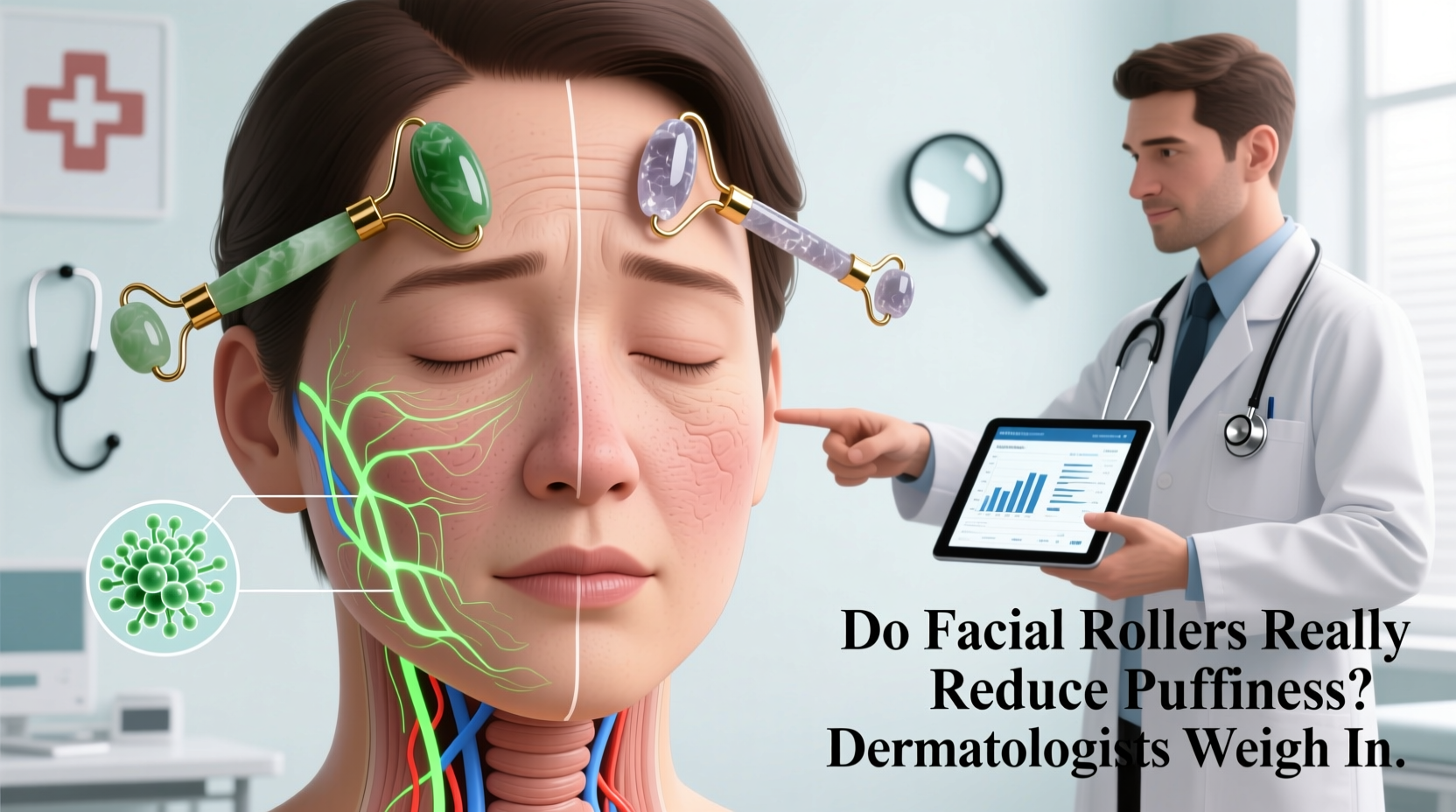
Facial puffiness, especially around the eyes and cheeks, is typically caused by fluid retention. This can result from several factors:
- Poor sleep: Disrupted circadian rhythms affect circulation and fluid balance.
- Dietary sodium: High salt intake pulls water into tissues, leading to swelling.
- Allergies or inflammation: Histamine release causes localized edema.
- Hormonal fluctuations: Common during menstruation or menopause.
- Aging: Weaker lymphatic flow and decreased skin elasticity contribute to persistent puffiness.
The body’s lymphatic system plays a crucial role in removing excess fluid and waste from tissues. Unlike blood, which is pumped by the heart, lymph relies on muscle movement and manual stimulation to circulate. This is where facial massage—and tools like rollers—come into play.
What Dermatologists Say About Facial Rollers
We spoke with Dr. Naomi Patel, a board-certified dermatologist based in Los Angeles, who has studied non-invasive facial treatments for over a decade. “Facial rollers aren’t magic,” she says, “but they can provide real, measurable short-term benefits when used properly.”
“Rolling motions mimic manual lymphatic drainage, which helps move stagnant fluid toward lymph nodes in the neck. When done consistently, this can visibly reduce under-eye bags and morning puffiness.” — Dr. Naomi Patel, MD, FAAD
Dr. Patel emphasizes that results are temporary—typically lasting a few hours—but can be enhanced when combined with proper skincare, hydration, and lifestyle habits.
Another expert, Dr. Marcus Lin, a cosmetic dermatologist in New York, adds: “I don’t prescribe rollers as a treatment, but I don’t discourage them either. If patients enjoy the ritual and see subtle improvement, it’s a low-risk addition to their routine.” He cautions, however, that improper technique can lead to irritation or even broken capillaries, especially on sensitive or acne-prone skin.
The Science Behind Lymphatic Drainage and Rolling
Lymphatic drainage is a medically recognized therapy used post-surgery or to treat chronic swelling. In aesthetic contexts, gentle upward and outward strokes aim to stimulate superficial lymphatic channels.
A 2020 pilot study published in *Dermatologic Surgery* observed 30 participants using facial rollers twice daily for four weeks. While no significant long-term changes in skin firmness were recorded, 73% reported reduced morning puffiness after just one week. Researchers noted increased microcirculation and mild dermal decongestion via thermal imaging.
The cooling effect of stone rollers also contributes to the outcome. Cold induces vasoconstriction—the narrowing of blood vessels—which temporarily tightens skin and minimizes the appearance of swelling. This is similar to placing a cold spoon under the eyes, a home remedy long endorsed by dermatologists.
However, experts stress that rolling alone cannot address deep structural issues like fat prolapse (common in under-eye bags) or severe fluid retention due to medical conditions such as thyroid dysfunction or kidney issues.
Step-by-Step Guide to Effective Facial Rolling
To get the most out of your facial roller without causing harm, follow this dermatologist-approved routine:
- Cleanse your face: Start with a clean canvas to avoid pushing dirt or bacteria into pores.
- Apply a serum or facial oil: Use a lightweight, non-comedogenic product to reduce friction. Hyaluronic acid serums or squalane oils work well.
- Begin at the center of the face: Use the smaller end of a dual-headed roller for precision around the eyes and nose.
- Roll outward and upward: Move from the inner cheek to the temple, then down along the jawline toward the lymph nodes near the ears and neck.
- Spend extra time under the eyes: Gently roll from the inner corner outward, avoiding pressing too hard on delicate skin.
- Finish at the neck: Always direct fluid toward the collarbone to encourage drainage.
- Use light pressure: Let the weight of the roller do the work. Excessive force can damage capillaries.
- Sanitize after use: Wash the roller with mild soap and water to prevent bacterial buildup.
For best results, perform this routine for 3–5 minutes each morning—ideally after refrigerating the roller overnight.
Jade vs. Rose Quartz vs. Stainless Steel: A Comparison
Not all rollers are created equal. Material affects temperature retention, durability, and glide. Here's how common types compare:
| Material | Cooling Effect | Durability | Best For | Price Range |
|---|---|---|---|---|
| Jade | Moderate (holds cold ~10–15 min) | Low – may crack if dropped | Ritualistic use, beginners | $15–$40 |
| Rose Quartz | Good (denser than jade) | Medium – more resilient | Sensitive skin, evening routines | $25–$60 |
| Stainless Steel | Excellent (retains cold up to 30+ min) | High – nearly unbreakable | Maximum depuffing, professional use | $40–$100 |
While jade and rose quartz are popular for their aesthetic and cultural significance, dermatologists often recommend stainless steel for serious depuffing due to its superior thermal conductivity and hygienic surface.
Common Mistakes That Reduce Effectiveness
Even with the right tool, poor technique can negate benefits. Avoid these frequent errors:
- Rolling downward: This works against gravity and lymphatic flow, potentially worsening puffiness.
- Using too much pressure: Can cause micro-tears or telangiectasia (broken capillaries).
- Skipping the neck: Fluid must have an exit route; stopping at the jawline traps congestion.
- Using on active acne or broken skin: May spread bacteria or inflame lesions.
- Infrequent use: Benefits are cumulative. Occasional rolling yields minimal results.
Mini Case Study: Morning Routine Transformation
Sarah K., a 34-year-old graphic designer from Portland, struggled with chronic under-eye puffiness due to late-night screen work and seasonal allergies. Despite trying various creams, she noticed little improvement—until she incorporated a chilled rose quartz roller into her morning routine.
For three weeks, Sarah rolled her face for five minutes each morning after applying a vitamin C serum. She focused on upward strokes from the nose to temples and finished by guiding motion down the jaw to the neck. Within ten days, she reported visible tightening and fewer comments about looking “tired.” Her dermatologist noted improved microcirculation during a follow-up visit and attributed the change to consistent lymphatic stimulation.
“It’s not dramatic,” Sarah said, “but I look more awake. It’s become part of my self-care ritual—like brushing my teeth.”
Checklist: Optimizing Your Facial Roller Practice
Ensure you're getting the most from your tool with this quick checklist:
- ✅ Store roller in the fridge overnight
- ✅ Cleanse face before rolling
- ✅ Apply a smooth glide product (serum or oil)
- ✅ Use upward and outward motions only
- ✅ Include the neck in your routine
- ✅ Limit sessions to 3–5 minutes
- ✅ Clean the roller weekly with soapy water
- ✅ Avoid use on active breakouts or sunburn
FAQ: Your Top Questions Answered
Can facial rollers permanently reduce puffiness?
No. The effects are temporary and last several hours. Long-term reduction requires addressing root causes like diet, sleep, or underlying health conditions.
How often should I use a facial roller?
Daily use is safe and recommended for best results. Many dermatologists suggest morning use to combat overnight fluid accumulation.
Are there any risks associated with facial rolling?
When done gently, risks are minimal. However, excessive pressure, unclean tools, or use on compromised skin can lead to irritation, broken capillaries, or infection.
Final Verdict: Worth the Hype?
Facial rollers aren’t miracle workers, but they’re far from meaningless accessories. Backed by basic principles of anatomy and supported by dermatological insight, they offer a safe, affordable way to support lymphatic flow and reduce transient puffiness.
Their true value may lie not just in physiological effects, but in the mindfulness they promote. Taking a few minutes each day to gently massage the face encourages presence, reduces tension, and enhances skincare absorption—all of which contribute to healthier-looking skin over time.
As Dr. Patel puts it: “If it makes you feel better and gives you a slight glow, that’s already a win. Just don’t expect it to replace retinoids or fillers.”




 浙公网安备
33010002000092号
浙公网安备
33010002000092号 浙B2-20120091-4
Comments
No comments yet. Why don't you start the discussion?