
Facial rollers have become a staple in modern skincare routines, gracing bathroom counters from Seoul to Los Angeles. Advocates claim they depuff, tone, and even prevent aging—but with so much buzz, it's fair to ask: Are these tools actually effective, or are they just a soothing placebo wrapped in cool stone? The truth lies somewhere in between. While facial rollers aren’t magic wands, their impact on puffiness and skin texture is supported by both anatomy and emerging research—when used correctly.
This article explores the physiological mechanisms behind facial rolling, evaluates clinical evidence, and separates marketing hype from measurable outcomes. Whether you're using a $20 jade roller or a high-end quartz model, understanding how—and whether—it works can help you make informed decisions about your skincare investments.
The Science Behind Puffiness and Lymphatic Drainage
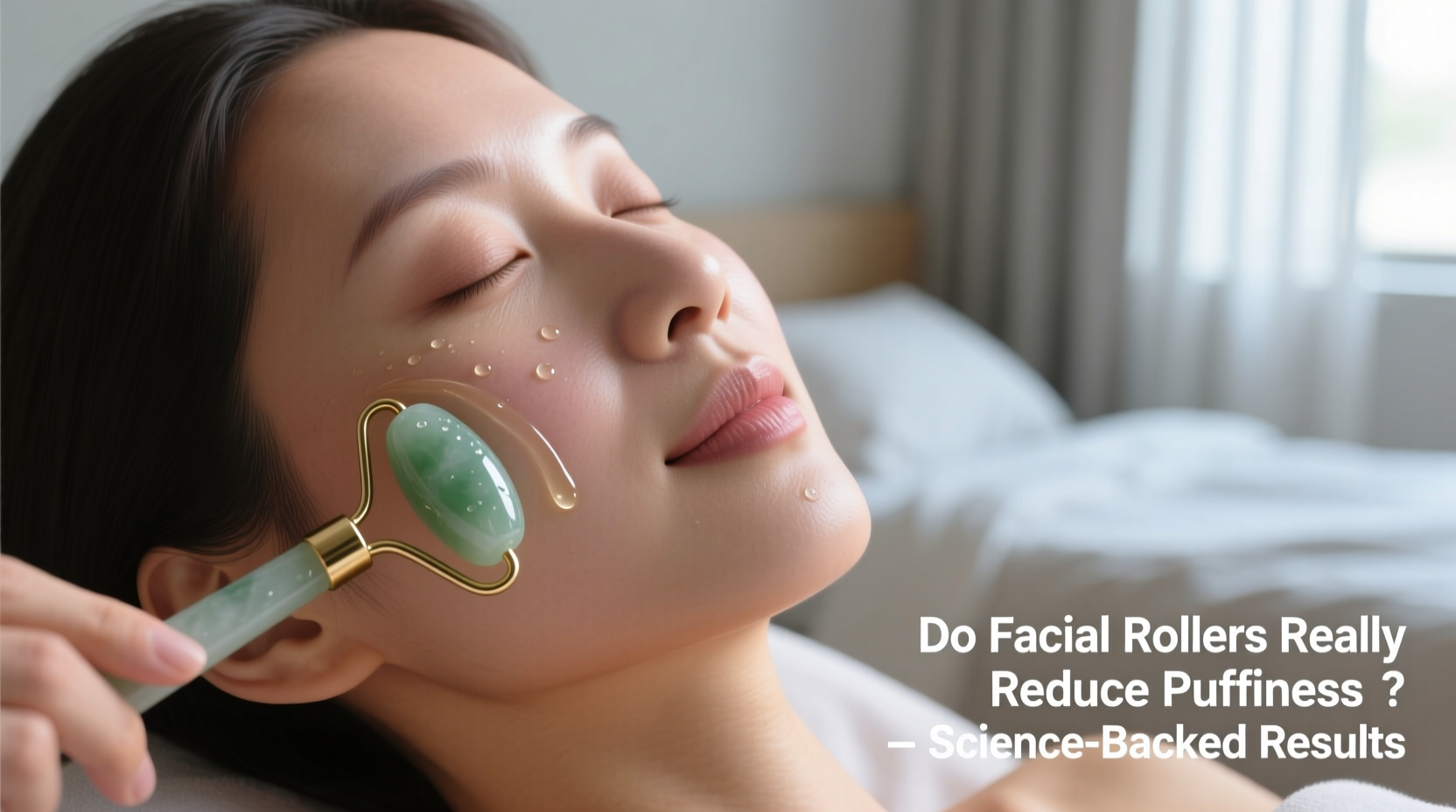
Puffiness, especially around the eyes and cheeks, often stems from fluid retention. This can be caused by poor sleep, high sodium intake, allergies, or hormonal shifts. Unlike swelling from inflammation (which involves immune cells), puffiness is primarily due to excess interstitial fluid—the liquid that surrounds cells in tissues.
The body naturally removes this fluid through the lymphatic system, a network of vessels that transports waste and excess fluid back into circulation. Unlike blood, which has the heart to pump it, lymph relies on muscle movement and external pressure to flow. This is where facial massage—and tools like rollers—come into play.
Gentle, directional massage stimulates lymphatic drainage by applying light pressure along lymph pathways. When performed correctly, this encourages fluid to move toward lymph nodes near the ears, jawline, and neck, reducing visible puffiness over time.
“Manual lymphatic drainage is a well-established technique in clinical settings. Miniaturizing it for home use via facial rollers can offer mild but real benefits, especially when consistency is maintained.” — Dr. Lena Park, Board-Certified Dermatologist and Cosmetic Researcher
Do Facial Rollers Actually Work? Evidence vs. Anecdote
While clinical studies specifically on at-home facial rollers are limited, related research supports the concept of mechanical stimulation improving circulation and reducing edema (fluid buildup).
A 2020 study published in *Clinical, Cosmetic and Investigational Dermatology* found that participants who performed daily facial massage for four weeks reported reduced under-eye puffiness and improved skin firmness. Though not roller-specific, the mechanism—manual pressure promoting lymphatic flow—is directly applicable.
Another small trial observed increased microcirculation in facial skin after just five minutes of rolling, suggesting enhanced blood flow may contribute to a brighter complexion and faster recovery from puffiness.
However, it’s important to note: effects are typically subtle and temporary without consistent use. One session might give an instant “glow,” but lasting changes require routine application—much like exercise or skincare products.
How to Use a Facial Roller for Maximum Effectiveness
Simply gliding a roller across your face won’t guarantee results. Technique matters. Improper pressure or direction can even worsen puffiness by pushing fluid into areas where it pools more easily.
Follow this step-by-step method to optimize lymphatic drainage and minimize puffiness:
- Cleanse and prep: Start with a clean face. Apply a serum or facial oil to reduce friction and enhance glide.
- Chill the roller: Store your roller in the fridge overnight. Cold temperature constricts blood vessels and reduces inflammation.
- Begin at the center: Start at the bridge of the nose. Use the smaller end for delicate areas like under the eyes.
- Roll outward and upward: Move from the nose to the temples, then from the chin toward the ears. Always finish by guiding fluid down the neck.
- Use light pressure: Never press hard. The goal is gentle stimulation, not deep tissue manipulation.
- Spend 3–5 minutes: A full session shouldn’t exceed five minutes. Consistency beats duration.
- Sanitize after use: Wipe with a soft cloth and mild soap weekly to prevent bacterial buildup.
For morning routines, facial rolling can replace ice globes or cold spoons as a quick de-puffing tool. Evening use may support product absorption and relaxation, though puffiness reduction is most noticeable when done upon waking.
Types of Facial Rollers: Material Matters
Not all rollers are created equal. While aesthetic appeal varies, material influences thermal retention, durability, and skin interaction.
| Material | Cooling Effect | Durability | Best For |
|---|---|---|---|
| Jade | Moderate (holds cold briefly) | Low (can chip) | Beginners, ritualistic use |
| Rose Quartz | Good (denser than jade) | Medium | Sensitive skin, longer cooling |
| Stainless Steel | Excellent (retains cold longest) | High | Maximum depuffing, clinical effect |
| Ceramic | Fair | Medium | Budget-friendly options |
While jade and rose quartz are popular for their metaphysical associations, stainless steel offers superior performance for reducing puffiness due to its density and prolonged chill. However, if you value mindfulness and sensory experience alongside skincare, natural stones remain a compelling choice.
Tips, Myths, and Common Mistakes
Despite growing popularity, misconceptions persist about what facial rollers can—and cannot—do.
Here’s a checklist to ensure safe and effective use:
- ✅ Use every morning for consistent depuffing
- ✅ Combine with a hydrating serum or facial oil
- ✅ Store in the refrigerator for enhanced cooling
- ✅ Clean regularly with mild soap and water
- ✅ Apply light, sweeping strokes—not deep pressure
- ❌ Don’t expect overnight transformation
- ❌ Avoid aggressive rolling, especially near the eyes
- ❌ Don’t substitute rolling for medical treatment of chronic swelling
One common myth is that facial rollers “detox” the skin. In reality, the liver and kidneys handle systemic detoxification. What rollers do is assist local fluid movement—more accurately described as “drainage” than “detox.”
Another misconception: bigger pressure equals better results. On the contrary, excessive force can damage capillaries or stretch delicate facial skin. The face requires significantly less pressure than the body—a feather-light touch is ideal.
Mini Case Study: Morning Routine Transformation
Sophie, a 34-year-old graphic designer in Portland, struggled with persistent under-eye puffiness despite adequate sleep. She attributed it to seasonal allergies and a high-stress workload. After reading about lymphatic massage, she purchased a rose quartz roller and committed to a two-week trial.
Each morning, she spent four minutes rolling: starting at the nasal crease, moving outward across the cheeks, then down the jawline to the neck. She kept the roller in the fridge and paired it with a vitamin C serum.
By day six, she noticed her eyes appeared less swollen in morning photos. By day ten, her concealer applied more smoothly, requiring less product. While her allergies didn’t disappear, the visual puffiness decreased significantly. Sophie continues the practice five days a week, calling it “the easiest upgrade to my routine.”
Her experience aligns with dermatological principles: consistent, gentle stimulation improved local fluid dynamics, yielding visible—but not miraculous—results.
When Facial Rollers Fall Short
It’s essential to recognize the limits of facial rollers. They are not substitutes for medical treatments, and their impact depends heavily on individual factors like skin type, age, and underlying health conditions.
For example, someone with chronic sinus congestion may see minimal improvement because internal pressure overrides superficial drainage efforts. Similarly, individuals with rosacea or severe vascular issues should consult a dermatologist before incorporating rolling, as increased circulation could exacerbate redness.
Additionally, while rollers may enhance the absorption of topical products by temporarily increasing blood flow, they don’t “push” ingredients deeper into the skin in a clinically significant way. Most serums penetrate effectively without mechanical assistance.
The psychological benefit, however, should not be underestimated. The ritual of facial rolling promotes mindfulness, reduces tension, and creates a moment of self-care—factors that indirectly support skin health by lowering cortisol levels and improving sleep quality.
Frequently Asked Questions
Can facial rollers really reduce puffiness?
Yes, but with caveats. Facial rollers can help reduce temporary puffiness by stimulating lymphatic drainage when used consistently and correctly. Effects are usually mild and short-term without ongoing use. They work best as part of a broader skincare and wellness routine.
How often should I use a facial roller?
For puffiness reduction, daily use—especially in the morning—is ideal. Even 3–5 times per week can yield noticeable results over time. Evening use is optional and may aid relaxation or product absorption, though cooling benefits are most effective when fluid buildup is fresh.
Are expensive rollers worth it?
Not necessarily. While high-end materials like solid rose quartz or medical-grade steel offer better thermal retention and durability, budget rollers can still provide benefits if used properly. Focus on craftsmanship (smooth edges, balanced weight) rather than brand prestige.
Final Thoughts: More Than Just a Feel-Good Tool
Facial rollers sit at the intersection of tradition, aesthetics, and physiology. While they’re not miracle workers, dismissing them as mere “feel-good” gadgets overlooks their legitimate role in supporting facial circulation and lymphatic function.
The key is managing expectations. These tools won’t erase years of aging or replace professional treatments. But when integrated thoughtfully into a daily routine—with proper technique, realistic goals, and consistency—they can deliver subtle yet meaningful improvements in skin appearance and self-care habits.
Ultimately, whether a facial roller “works” depends on how you define success. If your goal is immediate, dramatic transformation, you’ll likely be disappointed. But if you seek a simple, low-risk method to gently depuff, enhance radiance, and create a mindful pause in your day, then yes—facial rollers do more than just feel nice. They serve a functional purpose grounded in biology, elevated by ritual.




 浙公网安备
33010002000092号
浙公网安备
33010002000092号 浙B2-20120091-4
Comments
No comments yet. Why don't you start the discussion?