
Facial rollers have surged in popularity over the past decade, becoming a staple in morning and nighttime skincare routines across the globe. Often made from jade, rose quartz, or stainless steel, these handheld tools promise to depuff, sculpt, and enhance radiance with a few glides across the face. But behind the serene aesthetic and spa-like experience lies a pressing question: do facial rollers actually reduce puffiness, or are they primarily a placebo wrapped in wellness culture?
The truth is more nuanced than a simple yes or no. While facial rollers may not erase deep-set puffiness overnight, they can deliver measurable short-term improvements when used correctly—especially in combination with other skincare practices. Understanding how they work, what to expect, and how to maximize their benefits separates effective use from mere ritual.
The Science Behind Puffiness and Lymphatic Drainage
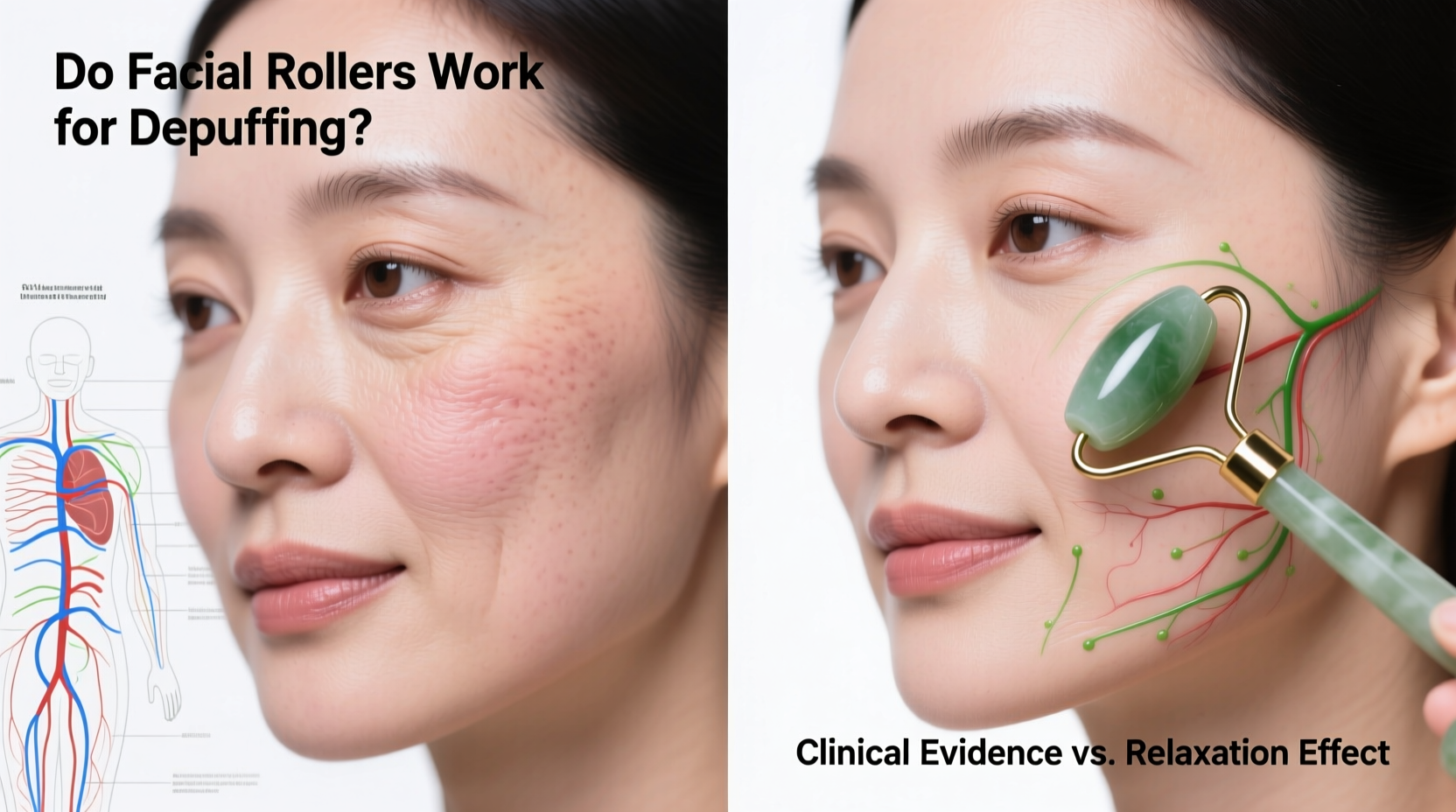
Puffiness, particularly around the eyes and jawline, often stems from fluid retention. This can be caused by poor sleep, high sodium intake, hormonal fluctuations, or even seasonal allergies. Beneath the skin, the lymphatic system plays a crucial role in removing excess fluid and waste. Unlike the circulatory system, which has the heart to pump blood, the lymphatic system relies on muscle movement and external pressure to circulate lymph fluid.
This is where facial rolling enters the picture. By applying gentle pressure and directional strokes, users stimulate superficial lymphatic flow. A 2018 study published in *Lymphology* noted that manual lymphatic drainage techniques could significantly reduce facial edema (swelling) in clinical settings. While facial rollers aren’t medical devices, they mimic aspects of this technique through repetitive, upward motions.
“Facial massage, including tool-assisted methods like rolling, can encourage temporary fluid redistribution. It’s not a cure for chronic puffiness, but it can offer visible improvement in as little as five minutes.” — Dr. Nina Lim, Board-Certified Dermatologist
The key word here is “temporary.” Facial rollers don’t alter fat distribution or tighten skin long-term. Instead, they help move stagnant fluid toward lymph nodes near the ears and neck, where it can be processed and eliminated. The result? A lifted, less puffy appearance that typically lasts several hours.
Material Matters: Jade vs. Rose Quartz vs. Stainless Steel
Not all facial rollers are created equal. The material affects both performance and user experience. Here's a breakdown of the most common types:
| Material | Cooling Effect | Durability | Best For |
|---|---|---|---|
| Jade | Moderate (holds coolness briefly) | Low (can crack if dropped) | Beginners; spiritual/energetic appeal |
| Rose Quartz | Low to moderate | Medium | Evening rituals; sensitive skin |
| Stainless Steel | High (retains cold longer) | Very High | Depuffing; professional-grade use |
While jade and rose quartz are prized for their aesthetic and metaphysical properties—jade symbolizing balance, rose quartz representing self-love—stainless steel delivers superior functionality for depuffing. Its ability to stay cold for extended periods enhances vasoconstriction (narrowing of blood vessels), which further reduces swelling.
How to Use a Facial Roller for Maximum Depuffing Benefit
Using a facial roller isn’t about random gliding—it’s about precision, pressure, and direction. To optimize lymphatic drainage and avoid pushing fluid into areas where it can pool, follow this step-by-step routine:
- Cleanse your face and apply a serum or facial oil to reduce friction.
- Start at the center of the face, using the smaller end of the roller under the eyes and along the brow bone.
- Roll outward and upward toward the temples, then down the sides of the face toward the lymph nodes below the ears.
- Move to the jawline, rolling from chin to ear, applying light to medium pressure.
- Work up the neck in vertical strokes to clear congestion and support drainage.
- Spend no more than 5–7 minutes total to avoid overstimulating the skin.
Consistency matters. Daily use, especially in the morning, yields the most noticeable results. Over time, regular rolling may improve circulation and skin tone, though structural changes like reduced double chin or defined cheekbones are overstated in influencer marketing.
Common Mistakes That Reduce Effectiveness
- Rolling downward instead of upward, which can trap fluid in the lower face.
- Using excessive pressure, potentially damaging capillaries or irritating sensitive skin.
- Skipping lubrication, leading to tugging and micro-tears.
- Using a warm roller when trying to depuff—heat increases blood flow and can worsen swelling.
Real Results: A Mini Case Study
Sophia, a 34-year-old graphic designer from Portland, struggled with persistent under-eye puffiness due to late-night work sessions and seasonal allergies. She began using a chilled stainless steel facial roller every morning after seeing a dermatologist recommend lymphatic massage.
Within two weeks of consistent use—combined with reduced salt intake and improved hydration—she noticed her morning puffiness diminished noticeably. “I used to rely on concealer to cover the bags,” she said. “Now I only need a light layer. The roller doesn’t fix everything, but it makes my face look more awake, especially on days I didn’t sleep well.”
Her experience aligns with clinical observations: while facial rollers aren’t miracle workers, they serve as effective adjuncts to holistic wellness and skincare routines.
Expert Insights: What Dermatologists Say
Despite the buzz, many dermatologists remain cautious about overstating the benefits of facial rollers. However, they acknowledge their value when expectations are realistic.
“The physical act of rolling mimics manual massage, which we know improves microcirculation and lymphatic flow. If someone enjoys the ritual and sees a difference, that’s valid—but it’s not replacing retinoids, sunscreen, or medical treatments for true skin concerns.” — Dr. Alan Park, Cosmetic Dermatologist
Experts emphasize that any depuffing effect is transient. For chronic facial swelling, underlying causes such as allergies, thyroid issues, or poor renal function should be evaluated medically. Facial rollers are best viewed as cosmetic tools, not therapeutic solutions.
Checklist: Getting the Most Out of Your Facial Roller
To ensure you’re using your facial roller effectively—not just mindlessly—you should follow this practical checklist:
- ✅ Store the roller in the fridge for enhanced cooling
- ✅ Use a slip-resistant product (oil, serum, or gel) before rolling
- ✅ Begin with clean skin to prevent clogged pores
- ✅ Follow upward and outward motions only
- ✅ Focus on areas prone to puffiness: under-eyes, cheeks, jawline
- ✅ Clean the roller weekly with mild soap and water
- ✅ Limit sessions to 5–7 minutes to avoid irritation
- ✅ Pair with cold compresses or eye masks for compounded results
FAQ: Common Questions About Facial Rollers
Can facial rollers reduce under-eye bags permanently?
No. Facial rollers provide temporary reduction in puffiness by encouraging fluid drainage. They do not address fat prolapse or genetic under-eye bags, which may require medical treatments like fillers or surgery.
Is there a difference between single- and dual-headed rollers?
Yes. Dual-headed rollers feature a larger barrel for broad areas (cheeks, forehead) and a smaller one for precision zones (under-eyes, nose). This design offers greater versatility. Single-headed rollers are less common and typically less effective for targeted work.
Can I use a facial roller if I have acne or rosacea?
With caution. Avoid rolling directly over active breakouts or inflamed areas, as pressure can spread bacteria or worsen irritation. For rosacea-prone skin, use extremely light pressure and skip the fridge—excessive cold can trigger flushing in some individuals.
Conclusion: Ritual Meets Results—When Used Right
Facial rollers sit at the intersection of ancient tradition and modern beauty science. They are not magic wands, nor are they entirely frivolous. When used with intention, proper technique, and realistic expectations, they can deliver genuine, visible depuffing benefits—particularly in the short term.
Their power lies not just in physiology, but in ritual. Taking five minutes each morning to gently massage the face fosters mindfulness, reduces stress, and enhances skincare absorption. These indirect benefits compound over time, contributing to healthier-looking skin beyond mere puff reduction.
If your goal is immediate morning refreshment, a chilled roller is a worthwhile tool. If you're seeking long-term facial transformation, pair it with evidence-based practices: sun protection, quality sleep, hydration, and dermatologist-approved products.




 浙公网安备
33010002000092号
浙公网安备
33010002000092号 浙B2-20120091-4
Comments
No comments yet. Why don't you start the discussion?