
Fish don’t sleep like humans do—there’s no closing of eyes or drifting off under blankets. Yet they still need rest. For betta fish owners, understanding this difference is crucial. Misinterpreting inactivity as illness—or worse, dismissing actual sickness as normal rest—can lead to serious consequences. Bettas, known for their vibrant colors and flowing fins, are sensitive creatures whose behavior reflects their health. Recognizing when a betta is simply resting versus showing signs of disease requires close observation and knowledge of natural rhythms. This article explores the science behind fish rest, identifies typical resting behaviors in bettas, and provides practical tools to distinguish between normal downtime and genuine health concerns.
The Science of Fish Rest: Do Fish Sleep?
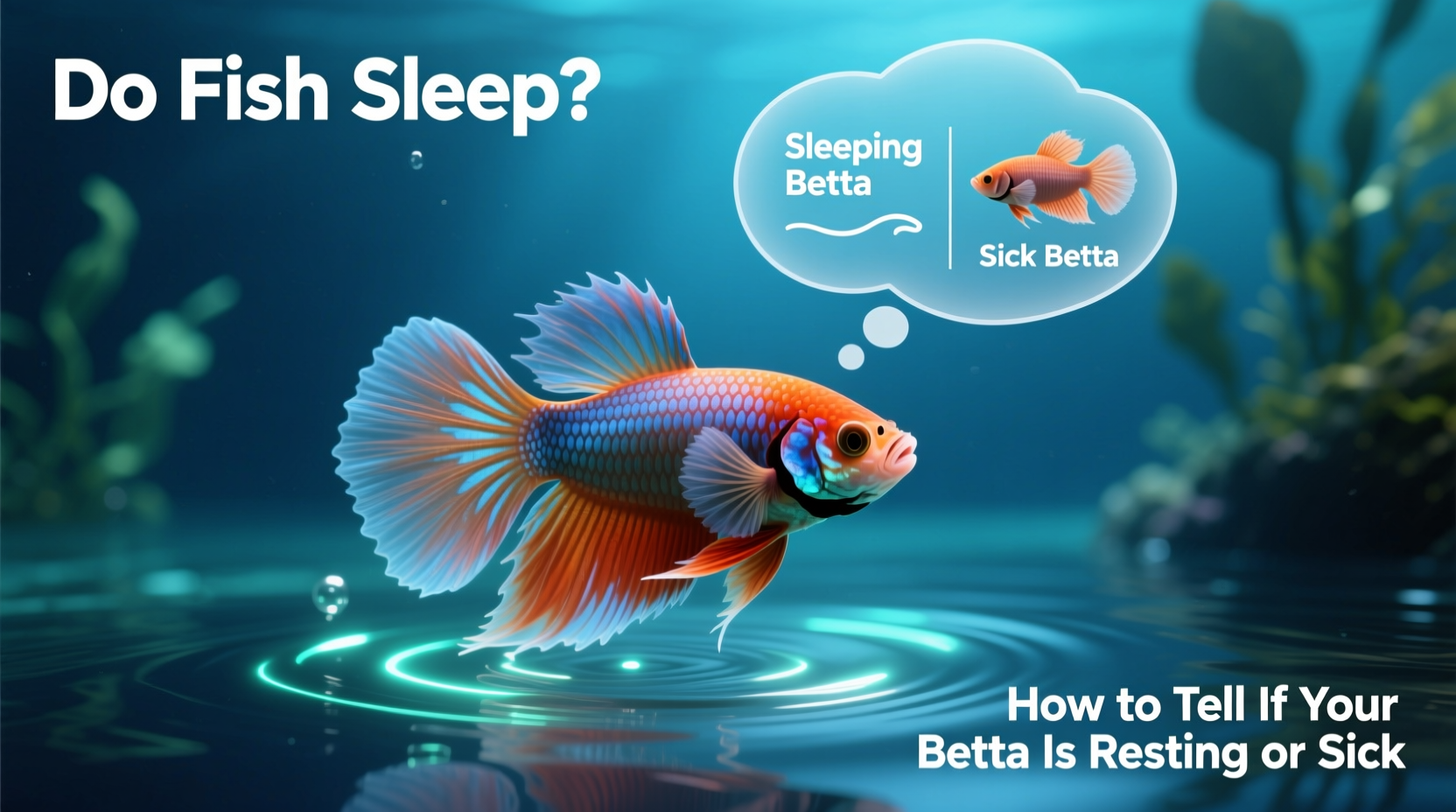
While fish lack eyelids and don’t experience REM sleep like mammals, they do enter periods of reduced activity that serve the same biological function as sleep. During these states, metabolic rates slow, responsiveness decreases, and energy conservation occurs. In scientific terms, this is called “restorative inactivity.” Studies have shown that zebrafish, commonly used in neurological research, exhibit brainwave patterns during quiet phases similar to those seen in light mammalian sleep. These findings support the idea that rest in fish isn't passive idleness but a necessary physiological process.
Bettas, being diurnal, follow a day-night cycle. They're most active during daylight hours and gradually settle into lower-energy states when lights dim. A well-maintained tank with a consistent lighting schedule helps reinforce this rhythm. Without clear cues, such as turning off aquarium lights at night, bettas may become disoriented, leading to stress and disrupted rest cycles. Chronic disruption can weaken immune function over time, making them more vulnerable to infections.
How Betta Fish Rest: Recognizing Normal Behavior
A resting betta doesn’t look dramatically different from an active one—it just moves less. Common resting positions include hovering near the bottom, floating motionless mid-water, or perching on plant leaves or decorations. Some bettas even lie on their sides briefly while napping, which can alarm new owners unfamiliar with this behavior.
During rest, gill movement slows but remains steady. The fish maintains balance, even if nearly still. It may react slowly to sudden movements outside the tank—such as a hand passing by—but won’t dart away instantly as it would during full alertness. These subtle responses confirm that the fish is merely conserving energy, not unconscious or ill.
Rest often occurs in predictable locations. Many bettas develop preferred spots—a broad leaf of a silk plant, a cave ornament, or a corner where water flow is minimal. If your betta consistently uses the same area each night, it’s likely establishing a safe zone for downtime. Providing such features in your setup encourages natural behavior and reduces stress.
“Betta fish display clear circadian rhythms. Their rest periods are essential for neural maintenance and immune regulation.” — Dr. Lena Torres, Aquatic Behavioral Biologist, University of Florida
Telling the Difference: Resting vs. Sick
Distinguishing between rest and illness hinges on observing duration, posture, breathing, appetite, and secondary symptoms. Brief inactivity during low-light hours is normal. Prolonged lethargy beyond typical rest times, especially during daylight, raises concern.
A sick betta may remain immobile for hours—even days—without adjusting position. It might sink to the substrate and stay there, sometimes listing to one side or lying flat. Unlike restful hovering, diseased fish often struggle to maintain buoyancy due to swim bladder disorders or internal infections.
Look closely at breathing rate. A healthy resting betta shows regular, calm gill movements—about 60–80 beats per minute depending on temperature. Rapid gilling (over 100 per minute), flared opercula, or gasping at the surface suggest respiratory distress, often linked to poor water quality or parasitic gill damage.
Appetite is another key indicator. A rested betta resumes feeding promptly when lights come on. A sick one ignores food entirely, even favorite treats like bloodworms or brine shrimp. Loss of appetite lasting more than two meals warrants investigation.
| Behavior | Resting Betta | Sick Betta |
|---|---|---|
| Activity Level | Low at night; resumes in morning | Persistent lethargy, even in daylight |
| Position | Hovers, perches, upright or slightly tilted | Lying flat, upside-down, or stuck in corner |
| Gill Movement | Steady, moderate pace | Rapid, labored, or irregular |
| Response to Stimuli | Slow but present reaction | No response or erratic twitching |
| Appetite | Eats normally after rest | Refuses food consistently |
| Physical Signs | Clear eyes, intact fins, bright color | Clamped fins, white spots, bloating, discoloration |
Step-by-Step Guide: Assessing Your Betta’s Condition
If you’re unsure whether your betta is resting or unwell, follow this methodical approach to evaluate its state without causing unnecessary stress.
- Observe Timing: Note when the inactivity occurs. Is it during dark hours? If yes, it’s likely rest. Daytime immobility needs further scrutiny.
- Check Lighting Schedule: Ensure lights turn off nightly for 8–12 hours. Inconsistent lighting disrupts circadian rhythms.
- Monitor Breathing: Count gill movements per minute. Over 100 suggests distress, especially if combined with surface gasping.
- Test Water Parameters: Use a liquid test kit to check ammonia (should be 0 ppm), nitrite (0 ppm), and nitrate (under 20 ppm). High levels cause lethargy.
- Assess Appetite: Offer food once daily. A healthy betta eats within minutes. Refusal over two days indicates potential illness.
- Inspect Physically: Look for clamped fins, cloudiness, lesions, fungus (cotton-like growth), or abnormal swelling.
- Review Recent Changes: Did you introduce new decor, medication, or tank mates? Stressors can trigger temporary withdrawal or real disease.
- Wait and Reassess: If only mildly inactive but otherwise normal, observe for 24–48 hours before intervening.
Common Illnesses That Mimic Resting Behavior
Several diseases begin with lethargy, making early detection difficult. Familiarity with common ailments helps catch problems before they escalate.
- Ick (Ichthyophthirius multifiliis): Causes tiny white spots resembling salt grains. Infected fish may scratch against objects, breathe rapidly, and isolate themselves.
- Fin Rot: Bacterial infection causing frayed, darkened edges on fins. Often follows poor water conditions or injury.
- Skin Flukes: Microscopic parasites irritating gills and skin. Leads to excess mucus production, rapid breathing, and listlessness.
- Sleepy Fish Disease (Aeromonas/Bacterial Septicemia): Not actually related to sleep, this condition causes extreme lethargy, loss of equilibrium, and red streaks in fins.
- Swim Bladder Disorder: Results in difficulty maintaining position—floating upside-down or sinking. Can be caused by overfeeding, constipation, or infection.
One frequent misdiagnosis involves confusing constipation with swim bladder issues. Overfed bettas may appear bloated and float abnormally. A short fast (2–3 days) followed by a thawed pea (skin removed) often resolves dietary blockages without medication.
Mini Case Study: When Rest Was Actually Sickness
Jamie, a first-time betta owner, noticed her blue crown-tail betta, Neptune, staying still near the heater every evening. She assumed he was sleeping—until mornings passed and Neptune didn’t stir. He remained upright but unresponsive, with tightly clamped fins and visible white specks along his tail. Concerned, she tested the water: ammonia at 0.5 ppm, nitrite at 1.0 ppm. After partial water changes and adding API Quick Cure, Neptune improved within 48 hours. The root cause? An uncycled tank. What seemed like normal rest was actually early-stage poisoning from nitrogenous waste. Regular testing and proper cycling could have prevented it.
Care Checklist: Keep Your Betta Healthy and Resting Properly
Prevention is the best medicine. Use this checklist to create an environment where rest is peaceful and illness rare.
- ✅ Maintain water temperature between 78–80°F (25.5–26.5°C)
- ✅ Perform weekly 25% water changes using dechlorinated water
- ✅ Cycle the tank fully before introducing your betta
- ✅ Provide hiding spots: plants, caves, or driftwood
- ✅ Use a timer for aquarium lights (12 hours on/off)
- ✅ Feed high-quality pellets once daily; supplement with frozen foods occasionally
- ✅ Fast your betta one day per week to prevent digestive issues
- ✅ Monitor behavior daily for changes in activity or appearance
- ✅ Keep a journal of feeding, water tests, and notable behaviors
- ✅ Quarantine new additions for at least two weeks
FAQ: Frequently Asked Questions
Do betta fish need complete darkness to rest?
Yes, bettas benefit from total darkness during their rest phase. Ambient room light or nearby electronics can interfere with their circadian rhythm. Use a cover or place the tank away from nighttime light sources.
Can I wake up my betta to see if it’s alive?
It’s not recommended. Instead, gently wiggle a clean finger near—not touching—the fish. Watch for eye movement or gill response. If none after several minutes, check water parameters immediately.
Why does my betta float at the surface after eating?
This often results from gulping air while feeding at the surface. Try soaking dry food before feeding or using slower-sinking pellets. Persistent floating may indicate swim bladder dysfunction.
Conclusion: Know Your Betta, Protect Its Health
Understanding how bettas rest empowers you to provide better care. Their stillness isn’t mysterious—it’s part of a natural rhythm shaped by evolution. But silence can also signal danger when disguised as sleep. By learning the nuances of behavior, mastering water management, and staying vigilant, you ensure your betta lives fully, vibrantly, and safely. Rest should never come at the cost of health.




 浙公网安备
33010002000092号
浙公网安备
33010002000092号 浙B2-20120091-4
Comments
No comments yet. Why don't you start the discussion?