
Indoor fountains are celebrated for their tranquil aesthetics and the gentle sound of flowing water that can transform any room into a peaceful retreat. From sleek modern designs in minimalist living rooms to ornate stone features in wellness spaces, these decorative elements bring movement, humidity, and a sense of serenity indoors. But with water comes a common concern: do indoor fountains attract bugs? While many assume still water is the only bug magnet, even gently circulating water can invite uninvited guests if not properly maintained. The answer isn’t a simple yes or no—it depends on design, placement, maintenance, and environmental factors.
This article explores the nuanced relationship between indoor fountains and insects, separates myth from reality, and provides actionable strategies to enjoy the soothing benefits of your fountain without turning your home into a breeding ground for pests.
The Allure of Water: Why Bugs Are Drawn Indoors
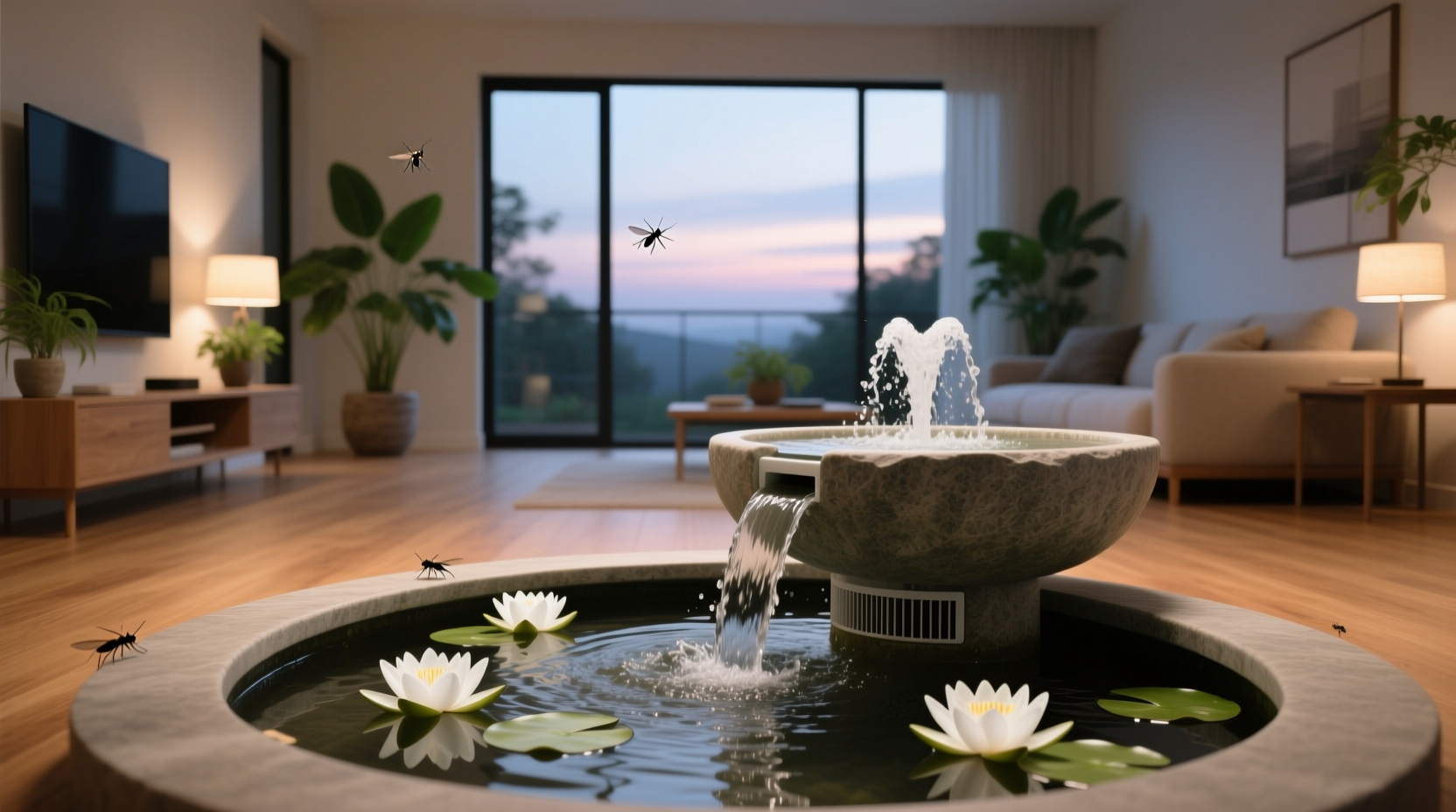
Insects such as fungus gnats, fruit flies, and mosquitoes rely on moisture for survival and reproduction. Standing water is an ideal environment for laying eggs, especially in warm, humid conditions. While indoor fountains typically circulate water, certain models or poorly maintained units can develop stagnant zones—perfect for tiny pests.
Fungus gnats, for example, thrive in damp soil but are also attracted to moist surfaces near water features. Their larvae feed on organic matter in wet environments, including algae buildup or decaying plant debris floating in a fountain basin. Fruit flies may be drawn not by the water itself, but by nearby overripe fruit or organic residue that accumulates around the base.
Even mosquitoes, though more commonly associated with outdoor ponds, can breed indoors if conditions allow. A study by the Centers for Disease Control and Prevention (CDC) notes that some mosquito species, like Aedes aegypti, prefer small, artificial containers—including poorly maintained indoor water features—for egg-laying.
“Any source of stagnant water, no matter how small, can become a breeding site for insects. Indoor fountains are not inherently problematic, but neglect turns them into hazards.” — Dr. Lena Torres, Entomologist and Urban Pest Specialist
How Fountain Design Impacts Bug Attraction
Not all indoor fountains pose the same risk. The likelihood of attracting bugs depends heavily on construction, flow dynamics, and materials used.
Flow Rate and Circulation
Fountains with strong, continuous water circulation minimize stagnation. High-flow pumps keep water moving through filters and spouts, reducing the chance for organic buildup. Low-flow or decorative trickle fountains, while visually appealing, may allow water to pool in corners or crevices—creating micro-environments where algae grow and insects gather.
Open vs. Closed Systems
Open-basin fountains, where water is exposed across a wide surface area, are more prone to evaporation and debris accumulation. Dust, pet hair, and airborne particles settle into the water, providing nutrients for microbial growth. In contrast, closed-loop systems (like wall-mounted fountains with internal reservoirs) reduce exposure and are easier to clean.
Material and Surface Texture
Rough stone, porous ceramic, or unglazed terracotta can harbor biofilm—a slimy layer of bacteria and fungi that attracts gnat-like insects. Smooth glass, stainless steel, or high-gloss resin finishes resist buildup and simplify maintenance.
Bug Prevention Checklist: Keep Your Fountain Clean and Pest-Free
Maintenance is the most effective defense against unwanted visitors. Use this checklist to ensure your indoor fountain remains a source of calm—not chaos.
- Inspect weekly: Look for signs of algae, film, or insect activity around the waterline.
- Clean every 2–4 weeks: Drain completely, scrub surfaces with vinegar or mild dish soap, and rinse thoroughly.
- Use filtered or distilled water: Tap water contains minerals that encourage algae and leave deposits.
- Add a drop of dish soap occasionally: A single drop reduces surface tension, making it harder for insects to land and lay eggs.
- Trim nearby plants: Overwatered houseplants near fountains increase ambient humidity and attract fungus gnats.
- Install a fine mesh cover: For open basins, a discreet screen can block flying insects while preserving aesthetics.
- Run continuously: Frequent on/off cycling promotes stagnation; consistent operation supports circulation.
Real Example: How One Homeowner Turned a Gnat Problem Around
Sarah K., a yoga instructor in Portland, installed a tabletop bamboo fountain in her meditation room to enhance relaxation during sessions. Within three weeks, she noticed tiny flies hovering near the base. Initially dismissing them as kitchen-related, she later realized they were congregating around the fountain’s rim, where algae had formed in a shaded corner.
After consulting a local horticulturist, Sarah learned her tap water was high in phosphates, accelerating microbial growth. She switched to distilled water, cleaned the fountain with a 1:1 white vinegar solution, and began running it 24/7 instead of intermittently. She also placed a small activated carbon filter inside the pump chamber. Within ten days, the gnats disappeared. “It wasn’t the fountain itself,” she said. “It was how I was maintaining it. Now it runs quietly, stays clean, and actually helps me sleep better.”
Step-by-Step Guide: Deep Cleaning Your Indoor Fountain
Regular cleaning prevents buildup and eliminates potential insect habitats. Follow this process every month—or biweekly in high-humidity environments.
- Turn off and unplug the fountain. Allow water to stop moving completely.
- Drain all water using a sponge or small pump. Dispose of water responsibly (not on houseplants, as mineral buildup can harm them).
- Disassemble removable parts: lift out the pump, stones, or decorative elements.
- Soak non-electrical components in a mixture of one part white vinegar to three parts water for 20–30 minutes.
- Scrub interior surfaces with a soft brush or non-abrasive sponge. Focus on waterline areas where film collects.
- Clean the pump filter under running water. Remove debris and check for clogs.
- Rinse everything thoroughly to eliminate vinegar or soap residue.
- Reassemble the fountain and refill with fresh, filtered water.
- Restart and monitor for proper flow and unusual sounds.
Benefits of Indoor Fountains Outweigh Risks—With Proper Care
When maintained correctly, indoor fountains offer numerous advantages that far outweigh the minimal risk of pest attraction.
Natural Sound Therapy
The sound of flowing water activates the parasympathetic nervous system, promoting relaxation and reducing stress. Studies published in the Journal of Environmental Psychology show that natural water sounds lower cortisol levels and improve focus. Unlike artificial white noise machines, fountains provide dynamic, organic audio variation that feels less repetitive and more immersive.
Humidity Regulation
In dry climates or heated homes during winter, fountains naturally increase ambient moisture. This can ease respiratory discomfort, prevent dry skin, and protect wooden furniture from cracking. However, avoid placing fountains directly on wood surfaces—use a waterproof tray to prevent water damage.
Aesthetic and Feng Shui Value
In Feng Shui, water symbolizes wealth and energy flow. A well-placed indoor fountain in the north (career), southeast (abundance), or east (health) areas of a home is believed to enhance positive chi. To maximize benefits, keep the water clean and flowing—stagnant water is thought to represent blocked opportunities.
Comparison Table: Low-Risk vs. High-Risk Indoor Fountains
| Feature | Low-Risk Fountain | High-Risk Fountain |
|---|---|---|
| Water Flow | Strong, continuous circulation | Trickle or intermittent flow |
| Basin Type | Enclosed reservoir | Open, wide surface |
| Material | Smooth glass, metal, or glazed ceramic | Porous stone or unsealed wood |
| Maintenance Needs | Monthly cleaning sufficient | Requires weekly attention |
| Bug Attraction Potential | Low (with routine care) | High (if neglected) |
Frequently Asked Questions
Can indoor fountains attract mosquitoes?
Yes, but only if water becomes stagnant. Mosquitoes need still water for at least 48 hours to lay and hatch eggs. A properly functioning indoor fountain with constant movement does not provide suitable conditions. However, if the pump fails or the fountain is turned off for days, temporary stagnation could allow breeding.
Why do I see gnats around my fountain even though the water moves?
Gnats may be drawn to organic residue, algae film, or nearby overwatered plants rather than the moving water itself. Check for biofilm along the waterline or dampness in surrounding areas. Cleaning the fountain and reducing humidity nearby typically resolves the issue.
Is it safe to use essential oils in my indoor fountain for scent?
No. Essential oils can degrade plastic components, clog pumps, and leave oily residues that promote bacterial growth. They also increase surface scum, which attracts insects. If you want fragrance, use a separate diffuser placed a few feet away.
Conclusion: Enjoy the Calm Without the Crawlers
An indoor fountain doesn’t have to be a trade-off between tranquility and pest control. With thoughtful selection, strategic placement, and consistent upkeep, you can enjoy the soothing background noise of flowing water without inviting bugs into your space. The key lies in understanding that it’s not the presence of water that attracts insects—it’s the conditions that surround it.
Modern fountains, when paired with simple maintenance habits, pose minimal risk. By choosing closed-loop systems, using clean water, and cleaning regularly, you preserve both hygiene and harmony. Let the gentle ripple of water soothe your mind, not stir up concerns.




 浙公网安备
33010002000092号
浙公网安备
33010002000092号 浙B2-20120091-4
Comments
No comments yet. Why don't you start the discussion?