
Magnetic eyelashes have surged in popularity as a reusable, glue-free alternative to traditional false lashes. Marketed as a safer, more convenient option, they promise bold volume and length without the mess of adhesives. But as more people adopt them into their daily beauty routines, a pressing question arises: do magnetic eyelashes damage natural lashes with frequent use? The answer isn’t a simple yes or no—it depends on how they’re used, how often, and individual lash sensitivity.
Natural lashes are delicate structures that follow a growth cycle similar to scalp hair. They can be compromised by mechanical stress, poor hygiene, and improper removal techniques. While magnetic lashes eliminate the chemical exposure from lash glues, they introduce physical pressure from magnets and repeated application. Understanding the balance between convenience and care is essential for maintaining healthy, strong lashes over time.
How Magnetic Eyelashes Work
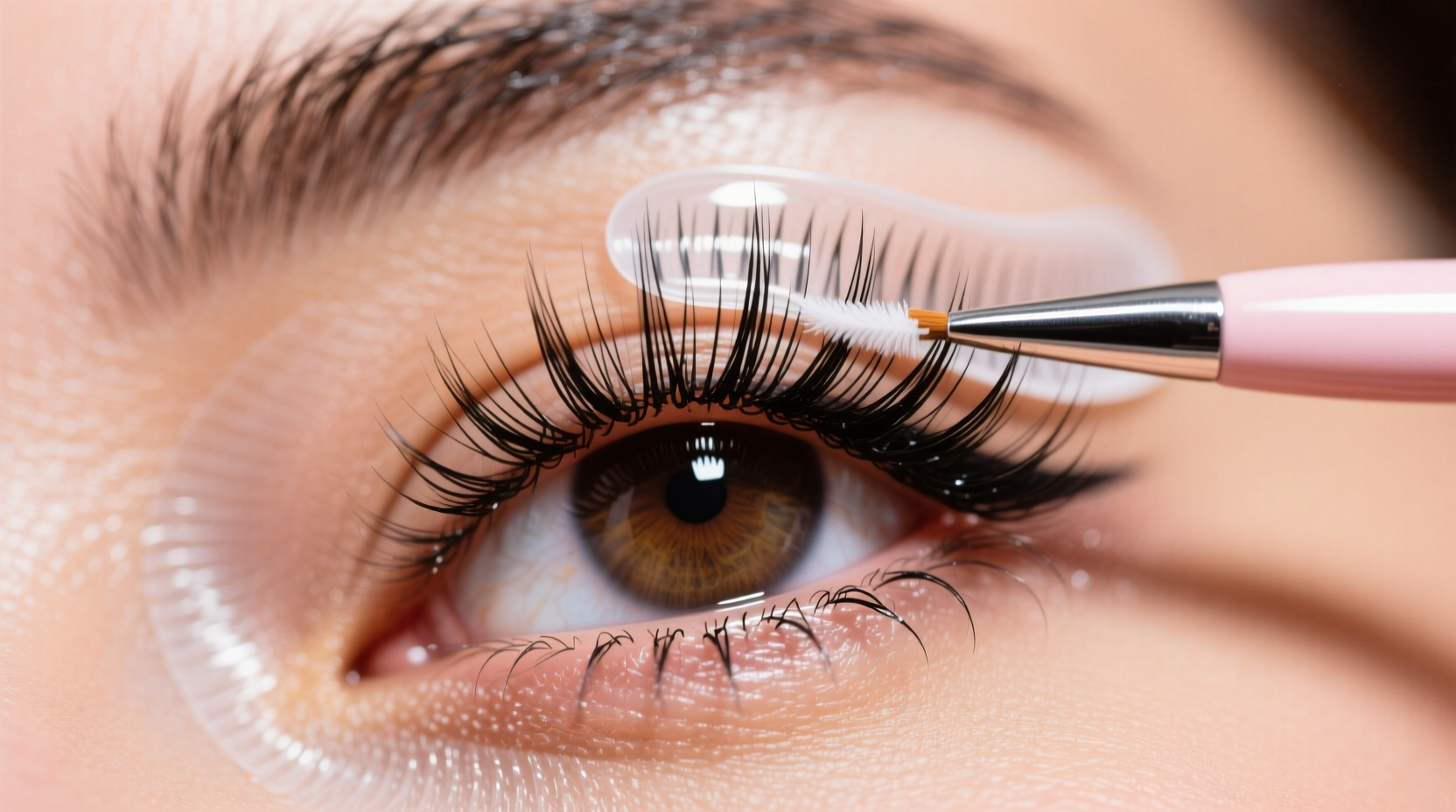
Magnetic eyelashes consist of two or more strips embedded with tiny magnets. One strip is placed above the natural lash line, and another below, sandwiching the real lashes between them. The magnetic attraction holds the extensions in place without requiring adhesive. This design reduces irritation caused by latex or formaldehyde-based glues, which some users find allergenic or drying.
The appeal lies in their reusability—most brands claim up to 30 uses per set—and ease of application compared to traditional falsies. However, the mechanics of clamping lashes between magnets raise concerns about tension and traction on the follicles, especially when worn daily or removed improperly.
“Any external force applied repeatedly to the lash line can contribute to traction alopecia over time, even if it feels gentle initially.” — Dr. Nina Patel, Board-Certified Oculofacial Surgeon
Potential Risks of Frequent Use
While magnetic lashes are generally considered less damaging than glued versions, frequent or incorrect use can still lead to several issues:
- Traction on Follicles: The constant pulling action during application and removal stresses the hair follicle, potentially leading to premature shedding or weakening.
- Friction Damage: Rubbing the magnet strips against natural lashes can cause breakage, especially if the user tugs or adjusts multiple times.
- Accumulated Debris: Makeup residue, oils, and bacteria can build up on the magnets if not cleaned regularly, increasing the risk of blepharitis or styes.
- Uneven Pressure Distribution: Poorly fitted magnetic lashes may press harder on certain areas, causing localized thinning.
- Sleeping in Lashes: Wearing magnetic lashes overnight significantly increases the chance of snagging, pulling, and microbial growth.
Over months of daily wear, these micro-traumas can accumulate. Some users report thinner-looking lashes along the outer corners—the area most prone to manipulation during makeup application.
Comparing Magnetic Lashes to Other Types
To assess relative safety, it helps to compare magnetic lashes with other common lash enhancement methods.
| Method | Lash Glue Exposure | Physical Tension | Reusability | Risk of Irritation |
|---|---|---|---|---|
| Traditional False Lashes (Strip) | High (contains adhesives) | Moderate to High | Low-Medium (5–10 uses) | High (latex, formaldehyde risks) |
| Individual Lash Extensions | Very High (bonded per lash) | Very High (weight + bonding) | None (requires fills) | High (glue fumes, buildup) |
| Magnetic Eyelashes | None | Moderate (clamping force) | High (up to 30 uses) | Low (if cleaned properly) |
| No Enhancements | None | None | N/A | None |
This comparison shows that while magnetic lashes eliminate chemical exposure, they aren’t entirely risk-free. Their moderate physical tension places them in a middle ground—safer than extensions but not neutral in impact.
Best Practices for Safe, Long-Term Use
The key to avoiding damage lies in mindful usage. Even high-quality magnetic lashes can harm natural lashes if handled carelessly. Follow these guidelines to protect your lash line:
- Limits Frequency: Reserve magnetic lashes for special occasions or weekends rather than wearing them daily. Give your lashes at least 2–3 days off per week to recover.
- Perfect Your Application Technique: Practice applying them slowly. Rushing leads to repeated adjustments, which increase friction and pulling.
- Clean After Every Use: Wipe the magnets with a lint-free cloth dipped in micellar water or alcohol-free cleanser. Buildup attracts dirt and weakens grip, prompting tighter clamping.
- Remove Gently: Slide the top and bottom strips apart sideways instead of peeling upward. Upward motion pulls natural lashes out prematurely.
- Avoid Sleeping in Them: Always remove before bedtime. Overnight wear increases the chance of accidental pulling during sleep.
- Condition Natural Lashes: Use a peptide-based lash serum nightly to strengthen follicles and support regrowth.
Step-by-Step Removal Guide
Proper removal is just as important as correct application. Follow this sequence to minimize stress:
- Wash your hands thoroughly to prevent transferring bacteria.
- Soak a cotton swab in oil-free eye makeup remover.
- Gently run the swab along the edge of the lash band to loosen any mascara or residue.
- Hold the top lash strip lightly between thumb and forefinger.
- Use your other hand to gently slide the lower strip outward, breaking the magnetic seal horizontally.
- Repeat on the other side, never pulling upward.
- Store both strips in their protective case after drying completely.
Real-World Example: A Case of Overuse
Samantha, a 29-year-old marketing professional, began wearing magnetic lashes five days a week to look polished for client meetings. She loved the instant glamor and believed they were “healthier” than glue-on lashes. After four months, she noticed her outer lashes appeared shorter and sparser. Upon visiting an oculodermatologist, she was diagnosed with early-stage traction madarosis—a condition caused by chronic pulling on hair follicles.
The doctor explained that while the magnets didn’t contain harmful chemicals, the cumulative effect of daily application and occasional aggressive removal had weakened her follicles. With a six-week break and consistent use of a nourishing lash serum, Samantha saw visible improvement. She now wears magnetic lashes only twice a week and reports healthier, fuller lashes.
Her experience underscores a critical point: perceived safety doesn’t equal zero risk. Even non-invasive tools require responsible use.
Expert Insights on Lash Health
Dermatologists and ophthalmologists increasingly caution against assuming that cosmetic innovations are inherently safe for long-term use.
“The absence of glue doesn’t make magnetic lashes harmless. The mechanical load matters. Think of it like tight hairstyles—wearing a ponytail every day won’t bald you overnight, but over years, it can cause permanent recession.” — Dr. Alicia Monroe, Dermatology Specialist
Experts agree that moderation is crucial. Just as skincare benefits from rest days, so too does the delicate periocular area. Regular breaks allow the lash follicles to complete their natural growth cycle undisturbed.
Do’s and Don’ts Checklist
Use this checklist to ensure you're protecting your natural lashes while enjoying the benefits of magnetic enhancements.
- Wear magnetic lashes occasionally, not daily
- Apply and remove with clean, dry hands
- Clean the lash bands after each use
- Store in a closed container away from dust
- Use a nourishing lash serum on bare lashes
- Replace sets every 4–6 weeks, even if intact
- Sleep in your magnetic lashes
- Reuse someone else’s pair (risk of infection)
- Apply excessive pressure to “lock” magnets
- Use waterproof mascara underneath (harder to clean)
- Share your lashes, even with close friends
- Ignore signs of redness, itching, or lash loss
Frequently Asked Questions
Can magnetic eyelashes cause permanent lash loss?
Prolonged, frequent use with improper technique can lead to traction alopecia, a type of hair loss caused by persistent pulling. While often reversible in early stages, chronic stress may result in permanent follicle damage. Taking regular breaks and using gentle handling greatly reduces this risk.
Are magnetic lashes better than glue-on falsies for lash health?
In many ways, yes. They eliminate exposure to potentially irritating adhesives and are typically lighter than heavy strip lashes. However, they still apply mechanical pressure. If used daily, they may cause similar levels of damage over time. The advantage lies in reduced chemical risk, not elimination of physical stress.
How long should I wait before reapplying after taking a break?
If you’ve taken a break due to thinning or irritation, wait until your lashes have visibly recovered—usually 4 to 6 weeks. During this time, focus on strengthening with serums and avoiding all forms of false lashes. When resuming, limit use to 1–2 times per week and monitor for any adverse effects.
Final Thoughts: Balancing Beauty and Health
Magnetic eyelashes offer a compelling blend of convenience, reusability, and reduced chemical exposure. For occasional wear, they are among the safest false lash options available. However, “safe” does not mean “harmless.” Frequent, long-term use—especially with poor technique—can compromise natural lash integrity.
The goal isn’t to fear innovation but to use it wisely. By treating magnetic lashes as a treat rather than a daily staple, cleaning them diligently, removing them gently, and supporting natural lash health with proper care, you can enjoy dramatic eyes without sacrificing long-term wellness.




 浙公网安备
33010002000092号
浙公网安备
33010002000092号 浙B2-20120091-4
Comments
No comments yet. Why don't you start the discussion?