
When choosing a phone case, most people focus on protection, design, or brand compatibility. But one subtle yet persistent issue affects nearly every smartphone owner: fingerprints. Whether you're scrolling through social media, answering calls, or typing messages, your hands naturally leave behind oils and smudges. Over time, these marks accumulate—especially on glossy surfaces—and can make even the cleanest phone look worn. This raises a common question among tech-savvy consumers: do matte phone cases really attract fewer visible fingerprints than glossy ones? The short answer is yes—but the full picture involves material science, surface texture, lighting conditions, and personal usage habits.
The Science Behind Fingerprint Visibility
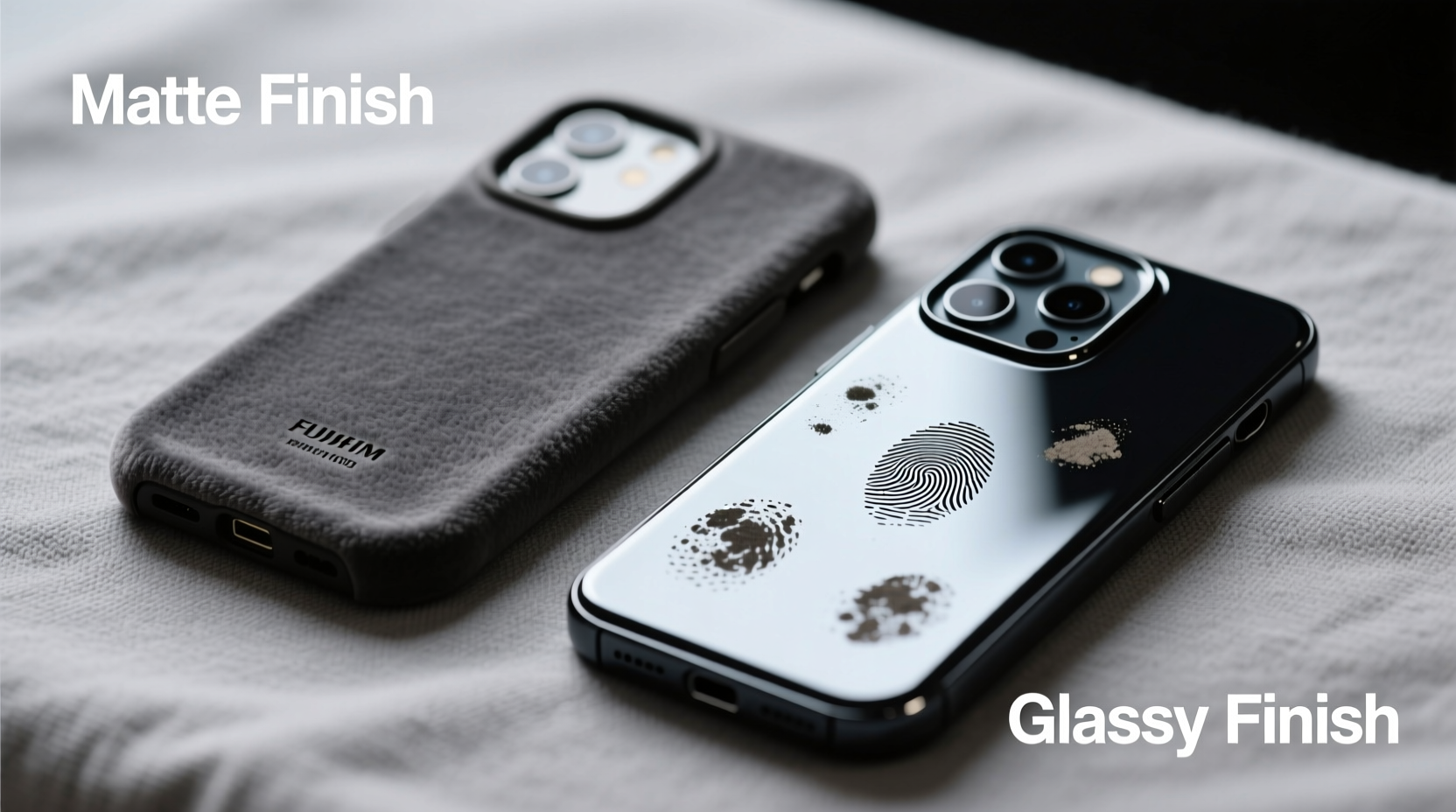
Fingerprints on phone cases are primarily caused by sebum, the natural oil secreted by our skin. When fingers touch a surface, this oil transfers and creates a visible residue. How noticeable that residue appears depends largely on the surface's reflectivity and texture.
Glossy finishes are highly reflective. They act like mirrors under direct light, amplifying any contrast between the clean surface and oily smudges. A single fingerprint on a glossy black case can appear stark and glaring, especially in sunlight or indoor lighting. In contrast, matte surfaces diffuse light due to their micro-textured finish. This scattering effect reduces glare and minimizes the visual contrast between the background and oil deposits, making fingerprints far less obvious.
It’s not that matte cases don’t collect fingerprints—they do. However, the key difference lies in visibility. Matte textures obscure the smudge rather than highlighting it.
“Surface finish plays a bigger role in perceived cleanliness than most users realize. A matte coating can reduce fingerprint visibility by up to 70% compared to high-gloss alternatives.” — Dr. Lena Torres, Materials Scientist at TechSurface Labs
Material Matters: Beyond Just Finish
While finish (matte vs. glossy) is crucial, the underlying material also influences fingerprint retention. Common phone case materials include:
- Thermoplastic Polyurethane (TPU): Flexible, durable, and commonly used in both matte and glossy variants. Matte TPU tends to hide smudges well but may degrade over time if exposed to UV light.
- Polycarbonate (PC): Rigid plastic often used in hard-shell cases. Glossy polycarbonate shows every mark, while matte versions offer better resistance.
- Silicone: Soft to the touch and naturally matte in most formulations. Excellent at resisting visible fingerprints but can attract dust and lint.
- Hybrid Composites: Some premium cases use layered materials with anti-smudge coatings. These often combine the durability of hard plastics with the tactile feel of soft-touch matte finishes.
A case labeled “matte” isn’t always equally effective. Lower-quality matte finishes may wear off after weeks of use, reverting to a shiny, smudge-prone surface. High-end matte cases often feature textured coatings engineered to resist abrasion and maintain their non-reflective properties over time.
Comparing Matte vs. Glossy: A Practical Breakdown
To understand the real-world differences, consider how each type performs across several everyday factors.
| Feature | Matte Case | Glossy Case |
|---|---|---|
| Fingerprint Visibility | Low – smudges blend into texture | High – oils create stark reflections |
| Dust & Lint Attraction | Moderate – static can attract particles | Low – smoother surface resists clinging |
| Tactile Feel | Soft, grippy, less likely to slip | Smooth, sleek, more prone to slipping |
| Cleaning Frequency Needed | Every few weeks (less urgent) | Weekly or more (visible buildup) |
| Durability of Finish | Varies – high-quality lasts longer | Generally stable unless scratched |
| Premium Appearance | Subtle, modern, understated | Bold, reflective, eye-catching |
This comparison reveals that matte cases excel in reducing visible fingerprints and improving grip, making them ideal for daily drivers. Glossy cases, while more prone to smudging, offer a polished aesthetic that some users prefer for formal or fashion-forward looks.
Real-World Example: One Week With Two Cases
Consider Sarah, a digital marketer who uses her phone constantly throughout the day—responding to emails, taking photos, and attending video calls. She decided to test two identical-style cases on her iPhone: one matte black TPU case and one glossy black TPU case.
After just two days, the glossy case showed prominent fingerprints along the sides and back. Even after wiping it down with a microfiber cloth, new smudges reappeared within hours. By day five, the entire back panel had a hazy film from accumulated oils.
In contrast, the matte case retained its original appearance much longer. While it wasn’t completely free of residue, the texture masked the oils effectively. Only upon close inspection under bright light could faint marks be seen. After seven days, Sarah concluded that the matte version required less maintenance and looked cleaner overall—even though both cases were touched equally.
This informal experiment reflects a broader trend: frequent phone users benefit significantly from matte finishes due to reduced visual fatigue from constant smudge checking.
How to Maintain Any Phone Case for Long-Term Cleanliness
No case is immune to dirt forever. Even the best matte finish will degrade if neglected. Here’s a step-by-step guide to keeping your phone case looking fresh, regardless of finish.
- Remove the case weekly: Take it off your phone to inspect and clean thoroughly. This prevents trapped dust and moisture near ports and buttons.
- Rinse with lukewarm water: For TPU or silicone cases, a gentle rinse removes surface grime. Avoid hot water, which can warp some materials.
- Use mild soap: Apply a drop of dish soap to a soft sponge or cloth. Gently scrub the surface, focusing on edges and corners where oils accumulate.
- Avoid alcohol-based cleaners: While tempting for disinfecting, repeated use of alcohol can strip matte coatings and cause yellowing in clear cases.
- Dry completely before reattaching: Use a lint-free towel and let air dry for 10–15 minutes. Reinstalling a damp case can lead to condensation inside the phone.
- Deep clean monthly: For stubborn buildup, soak the case in a mix of water and white vinegar (3:1 ratio) for 10 minutes, then scrub lightly and rinse.
Choosing the Right Case for Your Lifestyle
Your choice between matte and glossy should go beyond fingerprint concerns—it should align with how you use your phone.
- Office Professionals: Matte cases offer a professional, low-maintenance look. They won’t distract during video meetings with reflective glare.
- Photographers & Creatives: May prefer glossy for its vibrant color reproduction and sleek appearance, accepting higher upkeep.
- Parents & Active Users: Matte provides better grip and hides messes well—ideal for those juggling phones with other tasks.
- Minimalists: Often favor matte finishes for their understated elegance and resistance to showing wear.
If you prioritize ease of care and long-term cleanliness, matte is almost always the superior option. However, if aesthetics outweigh practicality, and you don’t mind regular wiping, glossy can still be a valid choice.
Frequently Asked Questions
Do matte cases eventually become shiny?
Yes, lower-quality matte cases can develop a shiny layer over time due to friction from pockets, bags, and constant handling. High-end matte finishes use durable coatings that resist this \"polishing\" effect for months or even years.
Can I apply a matte spray to a glossy case?
While third-party matte sprays exist, they are not recommended. Most create an uneven texture, may interfere with wireless charging, and can degrade the material over time. It’s safer to replace the case with a true matte version.
Are clear matte cases as effective at hiding fingerprints?
Clear matte cases do better than clear glossy ones, but they’re still more prone to showing yellowing and micro-scratches over time. If you want both transparency and smudge resistance, look for brands that include UV inhibitors and anti-yellowing technology.
Action Checklist: Selecting a Low-Maintenance Phone Case
Before purchasing your next case, run through this quick checklist to ensure you’re getting a model that resists visible fingerprints and stands the test of time:
- ✅ Prioritize matte finish over glossy for reduced smudge visibility
- ✅ Choose TPU or silicone with soft-touch coating for best grip and feel
- ✅ Read reviews for mentions of “shininess over time” or “smudge resistance”
- ✅ Avoid ultra-thin glossy cases—they show every flaw instantly
- ✅ Consider dual-material designs (e.g., matte back with rubberized edges) for added protection
- ✅ Check warranty or return policy in case the finish degrades prematurely
Final Thoughts: Function Meets Form
The debate between matte and glossy phone cases isn’t just about fingerprints—it’s about how we interact with our devices daily. A matte case offers functional advantages: less visible smudging, better grip, and lower maintenance. These benefits add up over time, reducing the mental load of constantly wiping down your phone.
That said, personal preference still matters. Some users love the sleek, mirror-like shine of a glossy case, even if it demands more attention. The key is making an informed decision based on your habits, environment, and tolerance for upkeep.
For most people—especially those who carry their phones in pockets, bags, or use them frequently throughout the day—a matte case delivers a smarter balance of aesthetics and practicality. It stays cleaner longer, looks more professional, and survives daily wear with dignity.




 浙公网安备
33010002000092号
浙公网安备
33010002000092号 浙B2-20120091-4
Comments
No comments yet. Why don't you start the discussion?