
Every day, millions of people carry smartphones worth hundreds—if not over a thousand—dollars in their pockets. A single drop can lead to cracked screens, damaged cameras, or internal malfunctions. That’s why most users reach for a phone case before leaving home. But here's the question: are these accessories genuinely protective, or do they simply add bulk and cost without meaningful impact? The answer isn't as straightforward as marketing slogans suggest. While many cases offer real protection, others provide minimal benefit beyond aesthetics. Understanding what makes a case effective—and when it might be more burden than benefit—is key to making an informed decision.
The Science Behind Impact Protection
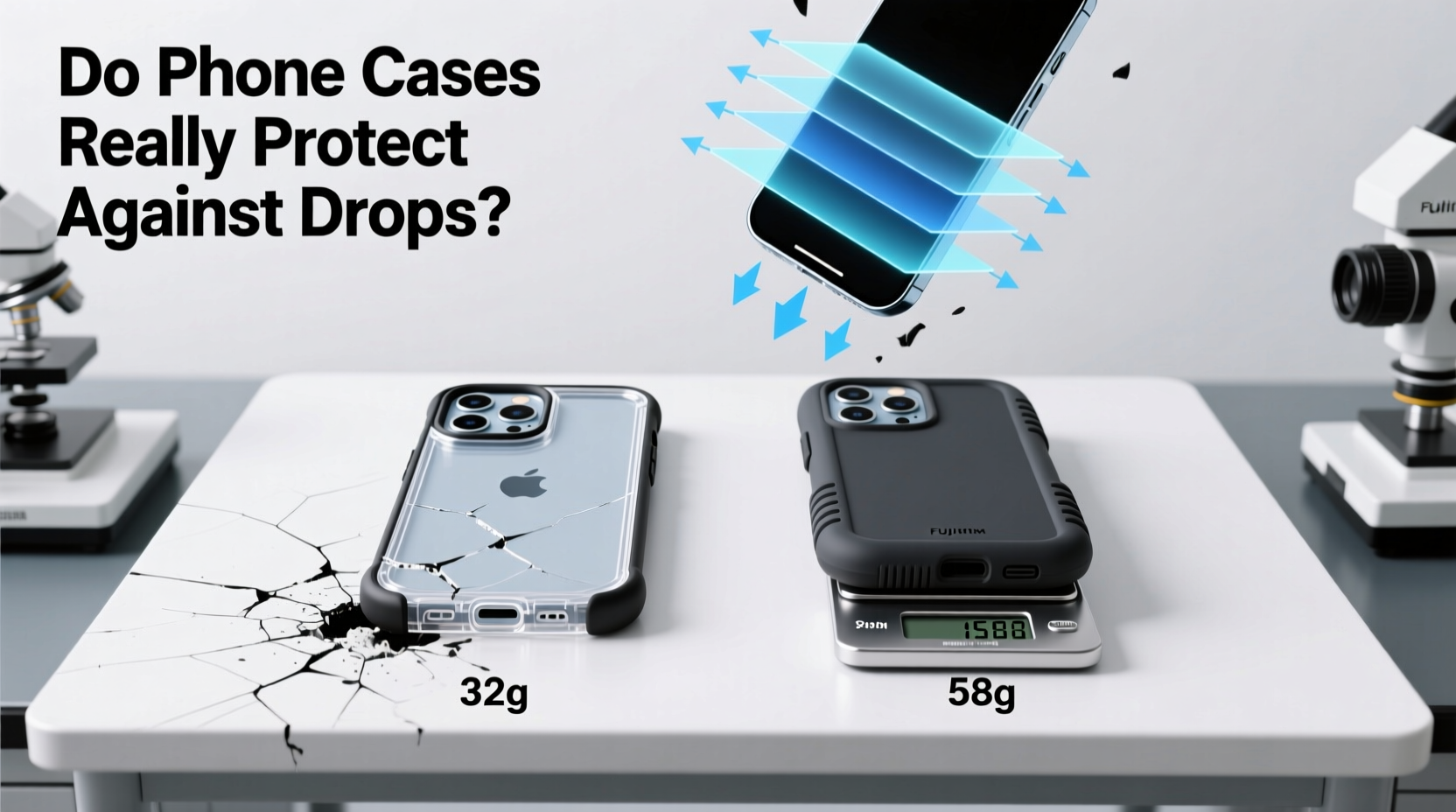
When a phone hits the ground, energy from the impact travels through its frame and components. Without intervention, that force can shatter glass, dislodge circuitry, or warp internal structures. Phone cases aim to absorb, deflect, or dissipate this energy before it reaches the device.
The effectiveness depends on three factors: material composition, structural design, and point of contact. High-performance cases use materials like thermoplastic polyurethane (TPU), polycarbonate, or hybrid combinations. TPU is flexible and shock-absorbent, ideal for absorbing sudden impacts. Polycarbonate offers rigidity and scratch resistance but less give—making it better suited for outer shells than sole protection.
Some premium cases incorporate multi-layer designs: a soft inner lining to cushion the phone, a rigid outer shell to resist deformation, and air pockets or corner reinforcements at common impact zones. Independent lab tests show that well-designed cases can reduce transmitted force by up to 70% compared to bare devices.
“Not all cases are created equal. A thick rubber bumper with reinforced corners does far more than a slim plastic sleeve.” — Dr. Lena Patel, Materials Engineer at Mobile Safety Labs
Types of Phone Cases and Their Real-World Performance
Phone cases vary widely in construction, intent, and actual protection level. Below is a breakdown of common types and how they perform under stress:
| Type of Case | Materials Used | Drops Survived (Avg. Height) | Weight Added | Protection Level |
|---|---|---|---|---|
| Silicone | Flexible silicone | 1–2 ft (low risk) | +15–30g | Low |
| TPU (Clear/Rubber-like) | Thermoplastic polyurethane | 3–4 ft (moderate) | +20–40g | Moderate |
| Hybrid (TPU + PC) | Soft interior, hard outer shell | 5–6 ft (high) | +35–55g | High |
| Bumper Frame | Aluminum/plastic with corner guards | 4–5 ft (selective) | +10–25g | Moderate-High |
| Rugged/Military-Grade | Multi-layer TPU, rubber, metal | 6–8 ft (extreme) | +60–100g | Very High |
| Fashion/Skinny | Leather, fabric, ultra-thin plastic | 1 ft or less | +5–15g | Negligible |
As shown, heavier cases generally offer greater drop protection—but only if engineered correctly. A poorly designed bulky case may deaden minor bumps but fail catastrophically during angled impacts due to weak corner support.
When Protection Becomes Overkill
While high-protection cases make sense for construction workers, hikers, or parents juggling kids and phones, they’re often excessive for office workers or those with careful habits. Adding 80+ grams and significant bulk changes how a phone feels and functions.
Thicker cases can interfere with wireless charging alignment, muffle speaker output, or make pocket retrieval awkward. Some rugged models even require tools to open, turning simple battery replacements into service-center visits.
There’s also a psychological factor: over-reliance on a \"bulletproof\" case may lead users to become careless. One study found that people using military-grade cases reported 23% more accidental drops per year than those using minimal protection—suggesting perceived safety encourages riskier behavior.
A Real-World Example: Sarah’s Commute
Sarah, a graphic designer in Seattle, switched from a sleek leather case to a heavy-duty OtterBox after cracking her iPhone XR on a rainy sidewalk. For six months, she carried the rugged model confidently—even tossing her phone into her bag without care. Then, one winter morning, she slipped on ice. The phone flew out and landed screen-down on concrete from nearly five feet. To her surprise, the case had cracked at a seam, and the display shattered beneath it.
She later learned that while the case passed MIL-STD-810G drop tests in labs, real-world conditions—uneven surfaces, cold-brittle plastics, rotational force—weren’t fully accounted for. Her experience highlights a crucial truth: no case guarantees absolute protection, and added weight doesn’t always mean added safety.
How to Choose a Case That Balances Protection and Practicality
Selecting the right case means aligning your lifestyle with realistic expectations. Follow this checklist to find a balance between safety and usability:
- Evaluate your environment: Do you work outdoors, commute heavily, or frequently handle your phone near water?
- Assess past incidents: Have you dropped your phone before? Where did damage occur—screen, corners, back?
- Check independent reviews: Look for drop-test videos from trusted tech reviewers, not just manufacturer claims.
- Test fit and feel: Can you access buttons easily? Does it slide smoothly into pockets?
- Verify certifications: Look for MIL-STD-810G, IP ratings, or third-party lab verification—not just “shockproof” labels.
- Consider future needs: Will you use MagSafe accessories, wireless charging, or car mounts?
Step-by-Step Guide: Testing Your Case’s Effectiveness
- Inspect the design: Ensure corners are reinforced and there’s a slight lip above the screen and camera.
- Weigh and measure: Compare total weight and thickness with and without the case. Is the increase justified?
- Perform a controlled test: Drop the cased phone from waist height (about 3–4 ft) onto a hard surface like tile. Repeat 3 times from different angles.
- Examine results: Check for cracks, dents, or functional issues (touch response, camera focus).
- Compare to baseline: Repeat the test with no case (using an old or insured device). Note the difference in outcome.
- Adjust accordingly: If the case prevents damage, keep it. If it fails or adds too much inconvenience, consider alternatives.
Note: Never perform drop tests with your primary device unless fully backed up and insured.
Common Myths About Phone Case Protection
Marketing language often exaggerates capabilities. Here are some widespread misconceptions:
- Myth: “All ‘drop-proof’ cases are equally effective.”
Reality: Terms like “drop-proof” aren’t regulated. One brand’s 6-foot claim may involve padded floors or perfect orientation. - Myth: “More weight equals more protection.”
Reality: Excess weight increases momentum during a fall, potentially worsening impact. Smart design matters more than mass. - Myth: “Glass-back phones don’t need back protection.”
Reality: Modern backs house wireless charging coils and antennas. Cracks can impair functionality even if the screen survives.
“Think of your case like seatbelts—useful, but not foolproof. Combine it with smart habits for best results.” — Mark Tran, Consumer Electronics Safety Analyst
FAQ
Do phone cases actually prevent screen cracks?
Yes, but only when properly designed. Cases with raised bezels prevent direct screen contact during flat drops. However, edge impacts—where the corner hits first—are still vulnerable, especially if the case lacks internal cushioning or corner reinforcement.
Is it worse to use a cheap case than no case at all?
Not necessarily, but low-quality cases can create false confidence. Thin plastic sleeves offer negligible protection and may trap dust or moisture against the phone. In rare cases, ill-fitting cases can press buttons accidentally or block ports, leading to overheating or connectivity issues.
Can a phone case affect signal strength?
Most modern cases have no effect on Wi-Fi or cellular signals. However, metallic cases or those with magnetic components (like some wallet cases) can interfere with GPS, NFC, or MagSafe functionality. Always check compatibility if you rely on contactless payments or precise location tracking.
Conclusion: Protection vs. Practicality
Phone cases do protect against drops—but not all of them, and not equally. The best ones combine thoughtful engineering with durable materials to absorb and redirect impact forces. Yet, many cases on the market prioritize looks over function, offering little more than extra weight and a false sense of security.
The truth is, protection is only part of the equation. Usability, comfort, and long-term value matter just as much. A case should enhance your phone experience, not hinder it. Whether you opt for a minimalist sleeve or a rugged fortress, choose based on evidence, not hype.




 浙公网安备
33010002000092号
浙公网安备
33010002000092号 浙B2-20120091-4
Comments
No comments yet. Why don't you start the discussion?