
In an age where remote work, long screen hours, and sedentary lifestyles dominate, slouching has become second nature. As a result, posture correctors have surged in popularity—promising to realign your spine, reduce back pain, and restore upright posture with minimal effort. But behind the sleek designs and celebrity endorsements lies a critical question: do these devices actually deliver lasting benefits, or are they little more than placebo-driven accessories capitalizing on wellness trends?
The answer isn’t straightforward. While some users report immediate relief and improved awareness of their posture, others find discomfort, dependency, or no long-term change. To separate fact from marketing hype, we need to examine the science, user experiences, and expert opinions—and understand what truly drives postural health.
The Science Behind Posture Correctors
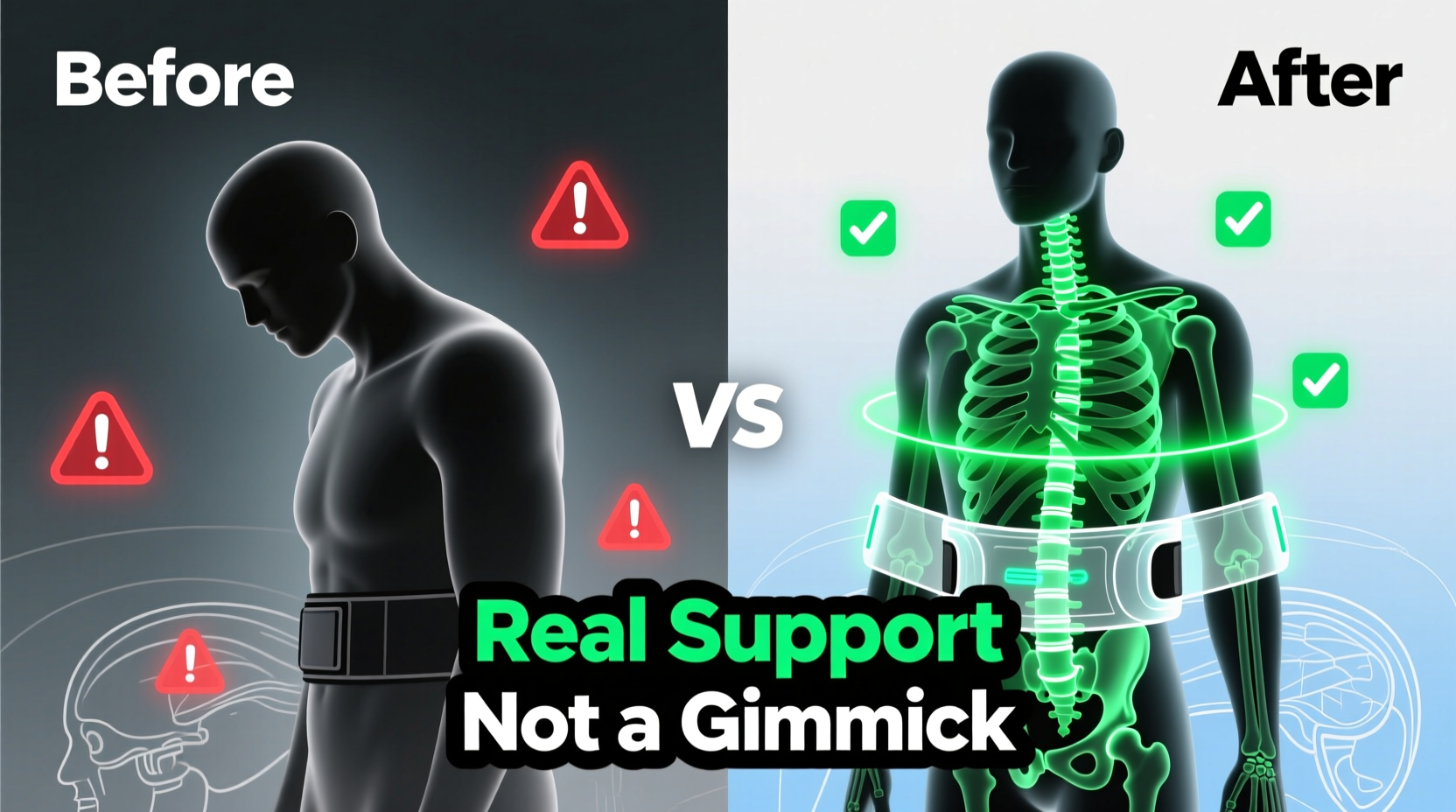
Posture correctors typically come in two forms: wearable braces (over-the-shoulder straps or vests) and smart wearables that vibrate when slouching is detected. Their basic premise is mechanical: pull the shoulders back, align the spine, and train the body into proper alignment through repetition.
From a biomechanical standpoint, these devices can temporarily reposition the upper body. A 2020 study published in the Journal of Physical Therapy Science found that certain posture braces led to measurable improvements in forward shoulder angle and thoracic curvature during short-term use. However, the same study noted that these changes reverted within 30 minutes of removing the device.
This raises a crucial point: while posture correctors may offer real-time correction, they don’t necessarily strengthen the muscles responsible for maintaining good posture. Think of them like training wheels on a bicycle—they assist movement but don’t build balance or coordination on their own.
“Braces can be useful as sensory feedback tools, but they’re not a substitute for neuromuscular re-education.” — Dr. Lena Patel, DPT, Board-Certified Orthopedic Specialist
The human body adapts to sustained positions. Years of sitting at desks, looking down at phones, or driving can lead to tight chest muscles (pectoralis minor), weakened upper back muscles (rhomboids and lower trapezius), and altered spinal curves. Simply strapping yourself into a brace doesn’t reverse these adaptations—it may even exacerbate muscle imbalances if worn excessively.
Types of Posture Correctors and How They Work
Understanding the different types helps assess their practical value:
| Type | How It Works | Pros | Cons |
|---|---|---|---|
| Shoulder Braces (Strap-style) | Uses elastic bands to pull shoulders back | Affordable, easy to wear under clothes | Can cause nerve compression; temporary effect only |
| Back Supports (Vest-style) | Covers torso, limits forward bending | Better support for lower back too | Bulky, uncomfortable for long wear |
| Smart Wearables (e.g., Upright GO) | Attaches to spine, vibrates when slouching | Builds postural awareness without restriction | Expensive; requires consistent use |
| Kinesiology Tape | Applied to skin to provide sensory feedback | Non-restrictive, portable | Short-lived adhesion; technique-sensitive |
Each type offers varying degrees of support and feedback, but none directly address the root causes of poor posture—muscle weakness, joint stiffness, or habitual movement patterns.
When Posture Correctors Help (And When They Don’t)
There are specific scenarios where posture correctors can serve a functional purpose:
- Rehabilitation phase: After injury or surgery, short-term bracing may protect healing tissues and reinforce proper alignment.
- Postural awareness training: Devices with haptic feedback help users recognize slouching in real time—especially helpful for office workers.
- Behavioral cue: Like a mindfulness bell, the physical sensation of the brace reminds users to sit up straight.
However, problems arise when people rely on them as standalone solutions. Long-term use without complementary exercises can lead to “corrector dependency,” where the muscles weaken further because they’re not being engaged. This creates a cycle: worse posture → more brace use → weaker muscles → worse posture.
Moreover, some designs apply force incorrectly, pushing the shoulders into unnatural external rotation. This can irritate the brachial plexus (a network of nerves running from the neck to the arm), leading to numbness or tingling in the hands—a condition sometimes called \"posture brace neuropathy.\"
Mini Case Study: Office Worker with Chronic Neck Pain
Mark, a 34-year-old software developer, began experiencing daily neck and upper back pain after transitioning to full-time remote work. He bought a popular strap-style posture corrector online, wearing it for 4–6 hours daily while coding.
Initially, he felt relief and stood taller. But after three weeks, his pain returned—now accompanied by shoulder tightness and occasional numbness in his left hand. A visit to a physical therapist revealed that the brace was compressing his brachial plexus and had caused his anterior deltoids to overwork, while his mid-back muscles remained inactive.
The therapist recommended discontinuing the brace and starting a targeted exercise program focusing on scapular stabilization and cervical retraction. Within six weeks of consistent rehab exercises, Mark reported significant improvement—not because of a device, but because he strengthened the muscles needed to maintain posture naturally.
Better Alternatives: Building Real Postural Strength
If posture correctors aren’t the answer, what is? The key lies in active, sustainable interventions that promote musculoskeletal resilience.
Step-by-Step Guide to Improving Posture Without Braces
- Assess Your Daily Habits
Track how many hours you spend sitting, looking down at screens, or carrying uneven loads (like heavy bags). Awareness is the first step toward change. - Optimize Your Workspace
Ensure your monitor is at eye level, elbows bent at 90°, feet flat on the floor. Use a lumbar roll if needed. Even the best posture collapses if your environment works against you. - Practice Postural Resets Every Hour
Set a timer to stand up, retract your chin, squeeze your shoulder blades together, and take five deep breaths. This simple habit builds motor control. - Strengthen Key Muscle Groups
Focus on:- Lower trapezius and rhomboids: Rows, band pull-aparts
- Deep neck flexors: Chin tucks (lying down or standing)
- Core stabilizers: Planks, dead bugs
- Stretch Tight Areas
Regularly stretch the pectoralis minor, upper trapezius, and suboccipital muscles. Doorway stretches and foam rolling can be highly effective. - Move More Throughout the Day
Sitting for prolonged periods—even with perfect posture—is harmful. Aim for 2–3 minutes of movement every hour: walking, stretching, or dynamic mobility drills.
“True posture correction happens through movement, not immobilization.” — Dr. James Lee, Spine Biomechanics Researcher, Stanford University
Checklist: Is a Posture Corrector Right for You?
Before purchasing or relying on a posture corrector, ask yourself the following:
- ✅ Am I using it as a short-term awareness tool, not a permanent fix?
- ✅ Have I consulted a physical therapist or healthcare provider about my posture concerns?
- ✅ Am I combining its use with strength and flexibility exercises?
- ✅ Does it cause any pain, numbness, or restricted breathing?
- ✅ Am I addressing ergonomic factors in my workspace?
- ✅ Do I understand that long-term improvement requires active engagement, not passive support?
If you answered “no” to any of the first five, reconsider your approach. And if you said “no” to the last one, that’s the most important insight: sustainable posture change comes from inside your body, not strapped to the outside.
Frequently Asked Questions
Can posture correctors fix kyphosis or rounded shoulders?
Not permanently. While mild postural kyphosis (rounding of the upper back due to habits) may improve with awareness and exercise, structural kyphosis (due to vertebral changes) requires medical evaluation. Braces won't reverse either condition without comprehensive treatment.
How long should I wear a posture corrector each day?
No more than 15–30 minutes, 1–2 times per day. Prolonged use can weaken postural muscles and lead to dependency. Think of it as a cue, not a crutch.
Are smart posture devices worth the cost?
For some, yes—if they increase awareness and motivate behavior change. Devices like Upright GO have shown modest success in studies for improving self-reported posture. But they’re expensive ($70–$100), so weigh the cost against simpler alternatives like hourly phone alarms or posture apps.
Conclusion: Rethinking the Fix-It-Quick Approach
Posture correctors occupy a gray zone between helpful aid and wellness gimmick. For select individuals—those retraining habits after injury or seeking biofeedback—they can play a supportive role. But for the majority, they offer fleeting corrections without addressing the deeper issues of muscle imbalance, sedentary behavior, and poor ergonomics.
The truth is, there’s no shortcut to good posture. It’s not something you strap on; it’s something you build through daily choices: how you sit, how you move, how you strengthen and stretch. Devices may draw your attention upward, but lasting change comes from internal strength, not external constraints.




 浙公网安备
33010002000092号
浙公网安备
33010002000092号 浙B2-20120091-4
Comments
No comments yet. Why don't you start the discussion?